
Many people over 70 notice that simple tasks like carrying groceries or climbing stairs feel harder than they used to. The gradual loss of muscle strength can bring worries about staying independent, along with frustration from feeling more tired or stiff each day. The good news is that small, consistent changes to what you eat—especially getting enough high-quality protein—combined with gentle movement can make a real difference in how strong and energetic you feel.
And here’s something that might surprise you: some of the most helpful protein sources don’t have to come from meat or dairy. Keep reading to discover five everyday plant foods that research suggests may support muscle health in older adults… plus the one that studies highlight as especially promising.

Why Muscle Maintenance Becomes Harder After 70
As we age, our bodies become less efficient at using protein to repair and build muscle—a natural process researchers call anabolic resistance. This means muscles need a stronger “signal” from protein, especially certain amino acids, to stay strong.
At the same time, many people become less active, which speeds up muscle loss. Studies show that older adults who get around 1.2–1.6 grams of protein per kilogram of body weight daily, spread across meals, tend to maintain strength and function better.
The exciting part? Plant-based proteins can meet these needs while offering extra benefits like fiber, antioxidants, and compounds that support heart health and reduce inflammation.
Benefits Plant Proteins May Offer Seniors
Plant proteins often come packaged with nutrients that animal proteins don’t always provide:
- Higher fiber for better digestion and gut health
- Lower saturated fat, which is gentler on the heart
- Natural plant compounds that may improve blood flow and recovery
Research, including studies on older adults, suggests that when eaten in sufficient amounts and combined wisely, plant proteins can be just as effective for muscle support as animal sources.
Here are five standout options backed by science.
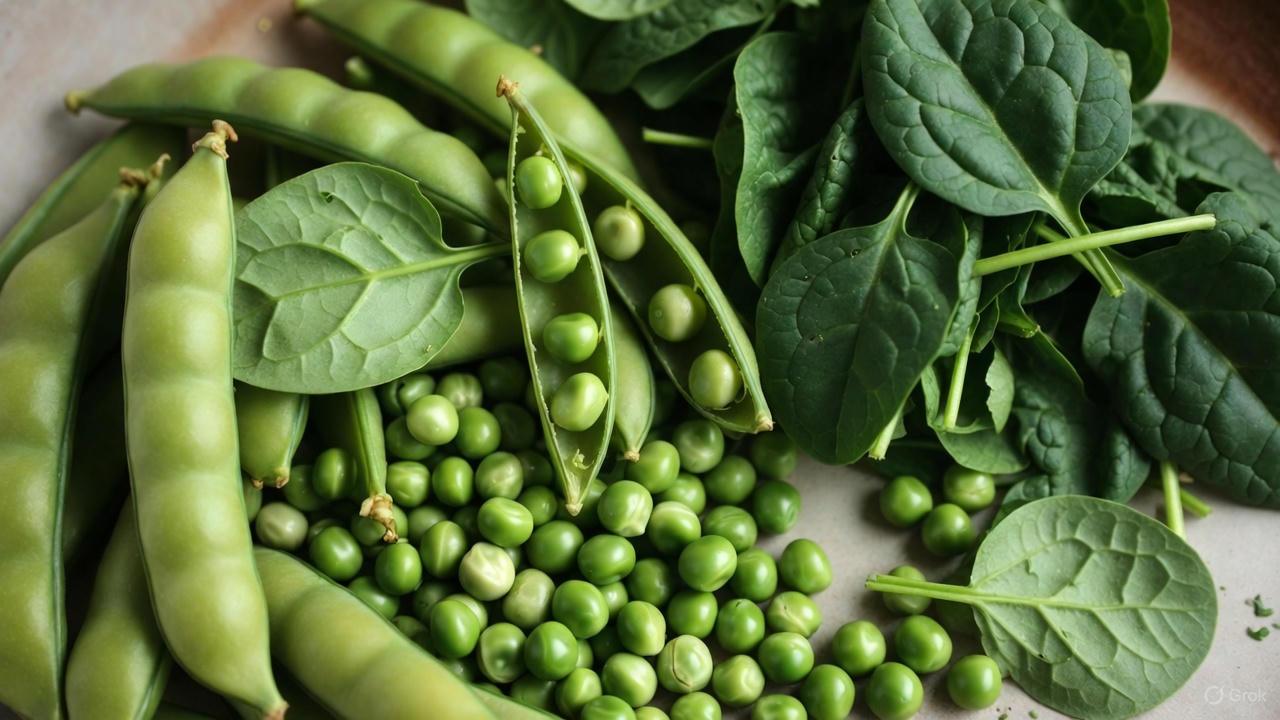
5. Green Peas – A Surprising Leucine Boost
Green peas deliver about 8 grams of protein per cooked cup, including a good amount of leucine—the amino acid most important for triggering muscle repair in older adults.
Research from the University of Birmingham and others highlights leucine’s role in helping overcome age-related anabolic resistance. Pea protein is also highly digestible and may cause less inflammation than some dairy proteins.
Peas also provide arginine, which supports healthy blood flow to muscles.
Easy ways to add them:
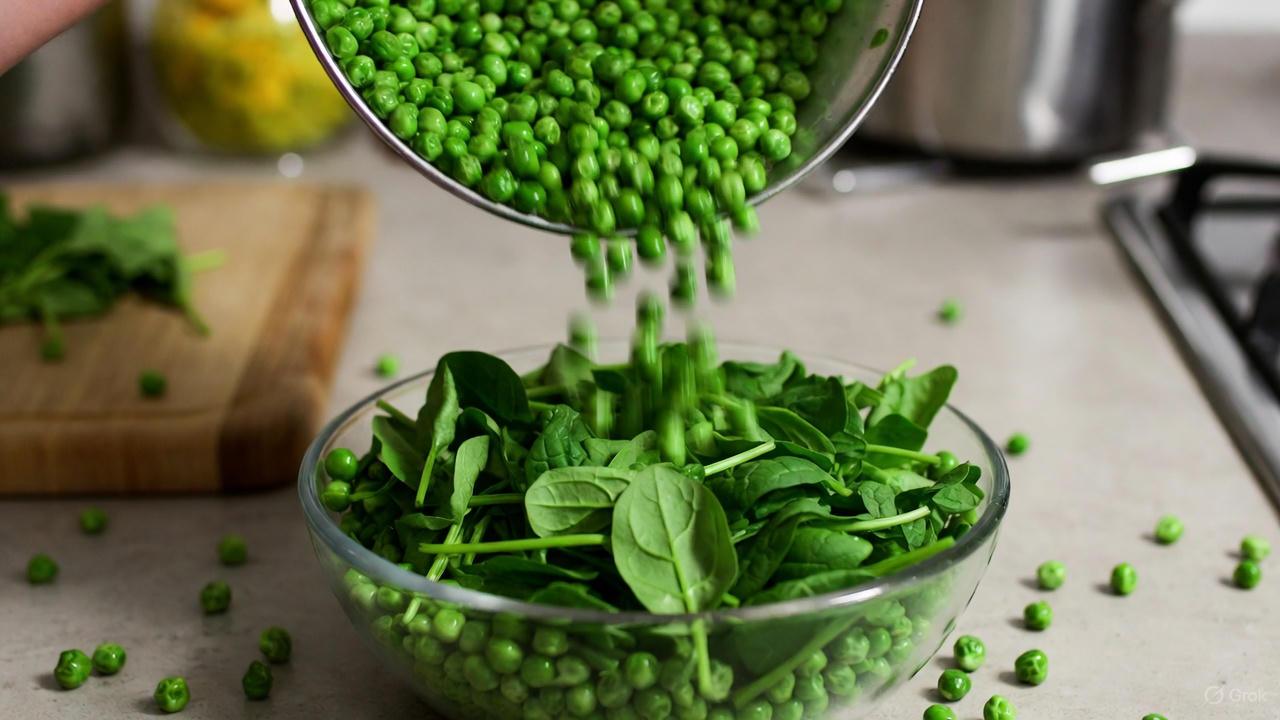
- Toss frozen peas into soups or rice dishes
- Blend into smoothies with fruit
- Mash with herbs as a spread
Aim for ½–1 cup a few times a week.
4. Spinach – More Than Just Iron
One cooked cup of spinach offers around 5 grams of protein, but its real strength comes from natural nitrates that convert to nitric oxide, helping blood vessels relax and deliver oxygen and nutrients to muscles more efficiently.
Studies from the Karolinska Institute in Sweden have linked regular nitrate-rich vegetable intake to better muscle strength and fiber quality in older adults.
Spinach also contains glutamine, which may help protect muscle during illness or stress.
Tips for best results:
- Lightly steam or sauté to reduce oxalates
- Pair with a little healthy fat (like olive oil) for better absorption
- Use frozen spinach for convenience
Try adding a handful to omelets, soups, or smoothies every other day.
3. Broccoli – Recovery and Protection in One
Broccoli provides about 3–4 grams of protein per cup, but its standout compound is sulforaphane, which research shows activates pathways that reduce inflammation and support faster recovery—important when healing slows with age.
Long-term studies from Japan suggest that people who eat cruciferous vegetables like broccoli regularly tend to preserve muscle mass better over the years.
It’s also rich in vitamin C for collagen and vitamin K for bone-muscle health.
How to maximize benefits:
- Chop broccoli and let it sit 30–40 minutes before cooking to boost sulforaphane
- Steam lightly or roast with garlic
- Include broccoli sprouts for even higher levels
Enjoy several servings per week.
2. Lentils – Protein Plus Gut Support
A single cooked cup of lentils packs an impressive 18 grams of protein—more than three large eggs—along with fiber and resistant starch that feed beneficial gut bacteria.
Emerging research links a healthy gut microbiome to better muscle maintenance in older adults. One study from the University of Sydney found that swapping some animal protein for lentils helped participants gain lean mass while reducing abdominal fat.
Lentils are gentle on digestion and provide steady energy.
Simple ideas:
- Add to soups, salads, or chili
- Make lentil patties or spreads
- Pair with vitamin-C-rich foods (tomatoes, peppers) for better iron absorption
Having ½–1 cup most days, split across meals, can help keep amino acid levels steady.
1. Edamame – The Standout Complete Protein
Edamame (young soybeans) offers around 17 grams of complete protein per cooked cup—all essential amino acids in good proportions.
Studies from the Tokyo Metropolitan Institute of Gerontology suggest that regular soy intake, including edamame, is associated with greater muscle mass, better grip strength, and improved walking speed in older adults.
The natural isoflavones in soy may provide mild hormone-like support, while arginine and other compounds aid natural creatine production.
Harvard research has linked higher soy consumption to muscle function comparable to people 10–15 years younger.
Delicious ways to enjoy:
- Steam frozen pods and sprinkle with sea salt as a snack
- Shell and add to stir-fries or salads
- Blend into hummus-style dips
Try ½–1 cup every other day.
Quick Comparison of These Five Plant Proteins
| Food (per cooked cup) | Protein | Key Supporting Compound | Extra Benefits |
|---|---|---|---|
| Green Peas | ~8g | High leucine | Blood flow support, easy to digest |
| Spinach | ~5g | Nitrates | Better oxygen delivery to muscles |
| Broccoli | ~3–4g | Sulforaphane | Reduced inflammation, faster recovery |
| Lentils | ~18g | Resistant starch | Gut health, sustained energy |
| Edamame | ~17g | Isoflavones | Complete protein, hormone balance support |
Practical Tips to Get Started Safely
Here’s how to add these foods without overwhelming your system:
- Start slowly – add one new serving every few days
- Combine sources – pair legumes with grains (rice, quinoa) for complete amino acids
- Time it right – have protein-rich food within an hour after light activity like walking
- Stay hydrated – fiber-rich plants work best with plenty of water
- Soak or cook thoroughly – improves digestibility of beans and lentils
Taking Small Steps Toward Stronger Years
Including more of these five plant-based proteins—especially lentils and edamame for their high, complete protein content—may help support muscle strength, energy levels, and independence as you age. Consistency over time matters far more than perfection.
Choose one or two to try this week, and build from there. Many people notice they feel steadier on their feet and less fatigued after a few months of better protein habits.
Frequently Asked Questions
Can I get enough protein for muscle support on a fully plant-based diet after 70?
Yes—research shows that with planning and variety, plant proteins can meet needs just as effectively when total intake is adequate.
How much protein should someone over 70 aim for daily?
Most studies suggest 1.2–1.6 grams per kilogram of body weight, spread across three meals, but individual needs vary.
Do I still need to exercise if I eat more protein?
Light activity like walking, chair exercises, or resistance bands helps protein work better for muscle maintenance.
This article is for informational purposes only and is not medical advice. Always consult your healthcare provider before making significant dietary changes, especially if you have existing health conditions or take medications.


