
Feeling drained by midday or noticing that your usual energy levels just aren’t what they used to be? Many people experience persistent fatigue or occasional digestive discomfort without realizing how everyday habits and simple dietary choices play a role. These issues can make even routine tasks feel challenging, leaving you searching for natural ways to feel more vibrant. The good news is that incorporating certain nutrient-rich foods into your diet may offer meaningful support—and there’s one simple combination that’s gaining attention for its potential. Keep reading to discover a practical approach that might surprise you with its everyday benefits.
What Makes Beetroot Such a Nutritional Powerhouse?
Beetroot, that vibrant red root vegetable, has been valued for centuries in various cuisines and traditional practices. It’s packed with essential nutrients that contribute to overall health.
Research highlights several key components in beetroot:
- Vitamins like C, A, and B-complex, which play roles in immune function and energy production
- Minerals including iron, potassium, and magnesium, important for oxygen transport and muscle health
- Natural nitrates, compounds that the body converts to nitric oxide
- Antioxidants such as betalains, which help combat oxidative stress
Studies, including reviews published in journals like the Journal of Nutrition, suggest that the nitrates in beetroot can support better blood flow and oxygen utilization in the body. This is why athletes and active individuals often turn to beetroot as part of their routines.
But that’s not all—beetroot also provides dietary fiber, which aids in maintaining healthy digestion.

The Impressive Properties of Ginger You Should Know
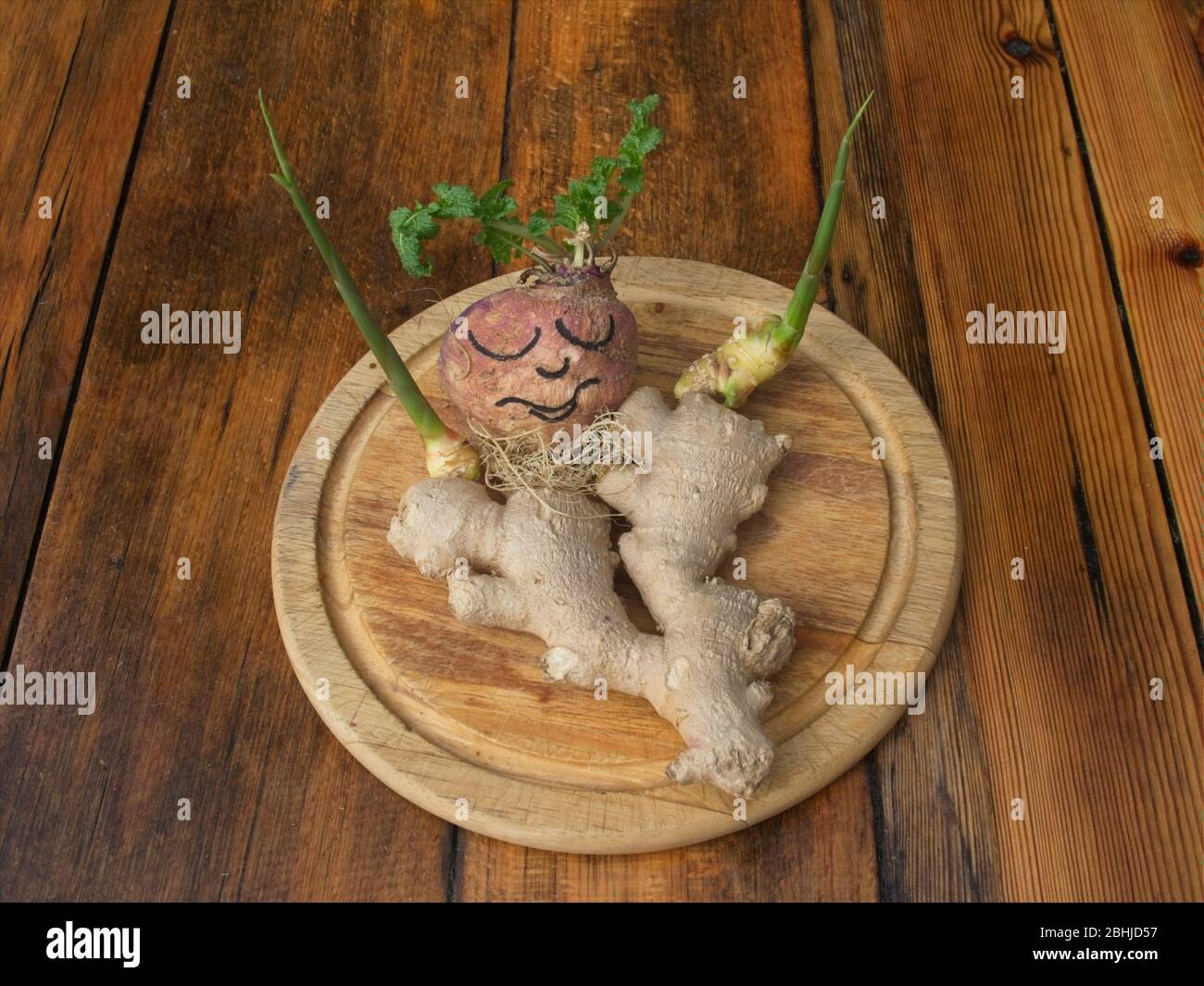
Ginger, with its distinctive warm flavor, is another root that’s been used worldwide for generations. Its active compounds give it unique characteristics.
Key elements in ginger include:
- Gingerol and shogaol, known for their antioxidant and anti-inflammatory effects
- Essential vitamins like C and B6
- Minerals such as magnesium and manganese
Scientific reviews, including those on PubMed, indicate that ginger supports healthy digestion by promoting gastric motility and reducing occasional bloating. It also shows promise in helping the body manage inflammation through pathways like NF-κB inhibition.
Many people find ginger helpful for maintaining comfort during meals or travel, thanks to its longstanding reputation in traditional use.
How Combining Beetroot and Ginger Creates a Synergistic Drink
When you blend beetroot and ginger into a fresh juice, their nutrients complement each other beautifully. This vibrant red drink not only tastes refreshing (with ginger adding a gentle kick) but may provide enhanced support for daily wellness.
Here are some ways this combination stands out:
- Supports natural energy levels: Beetroot’s nitrates help with oxygen delivery, while ginger promotes circulation—together, they may help you feel more alert without relying on caffeine.
- Promotes healthy blood flow: Multiple studies link beetroot nitrates to improved vascular function, and ginger adds circulatory benefits.
- Aids digestion: Ginger’s compounds encourage smooth gut motility, paired with beetroot’s fiber for better overall comfort.
- Provides antioxidant support: Both ingredients are rich in compounds that fight oxidative stress, helping your body stay resilient.
- Contributes to immune health: The vitamin C from both, plus other antioxidants, supports your body’s natural defenses.
A systematic review in Advances in Nutrition notes beetroot’s role in cardiovascular support, while ginger studies emphasize its digestive advantages. Together, they form a simple yet potent duo.


Simple Step-by-Step Guide to Making Beetroot Ginger Juice at Home
Preparing this juice is straightforward and requires minimal equipment. Here’s an easy method anyone can follow:
- Gather your ingredients: 1 medium fresh beetroot (washed and peeled), a 1-2 inch piece of fresh ginger (peeled), and optional add-ins like half a lemon or an apple for extra flavor.
- Chop the beetroot and ginger into smaller pieces to make blending easier.
- Add everything to a blender or juicer with about 1 cup of water (or coconut water for a twist).
- Blend until smooth, then strain if you prefer a clearer juice.
- Pour into a glass and enjoy fresh for maximum nutrient retention.
Tip: Start with smaller amounts of ginger if you’re new to it—the flavor builds quickly.
This recipe serves one generously or two as a smaller portion. Store any leftovers in the fridge for up to 24 hours.


Best Times to Enjoy This Juice and Practical Tips
Timing can enhance your experience:
- Morning on an empty stomach: Many find this helps kickstart the day with gentle detox support.
- Before physical activity: The natural nitrates may aid endurance.
- 3-4 times per week: Consistency matters more than daily intake for most people.
Start with 200-250 ml per serving. If you’re new to beetroot, begin smaller to see how your body responds—pink urine is harmless and common due to betalains.
Important Considerations and Precautions
While this juice offers promising benefits, it’s not for everyone in large amounts.
- Those with kidney stones high in oxalates may want to limit beetroot.
- If you have low blood pressure, monitor how you feel.
- Always consult a healthcare professional if pregnant, nursing, or on medications.
Individual responses vary, so listen to your body.
Wrapping It Up: A Simple Addition for Everyday Vitality
Beetroot and ginger juice brings together two accessible ingredients that may support energy, circulation, digestion, and overall resilience. With its bright color and zesty taste, it’s an enjoyable way to nourish your body naturally.
Trying this homemade drink could be a small change with noticeable rewards. Pair it with balanced meals and activity for the best results.
Frequently Asked Questions
1. Can I drink beetroot ginger juice every day? Many people enjoy it daily in moderation (200-300 ml), but 3-4 times weekly is often recommended to start. Research supports regular nitrate intake for benefits, but variety in your diet is key.
2. Does this juice help with blood pressure? Studies on beetroot show nitrates can support healthy blood pressure levels through better vessel relaxation. Ginger adds complementary effects. Results vary by individual.
3. Is it safe during pregnancy? Ginger is commonly used for morning comfort, and beetroot provides folate. However, consult your doctor before adding new foods routinely.
Disclaimer: This article is for informational purposes only and not medical advice. Always consult a qualified healthcare provider for personalized guidance, especially if you have health conditions or take medications.


