
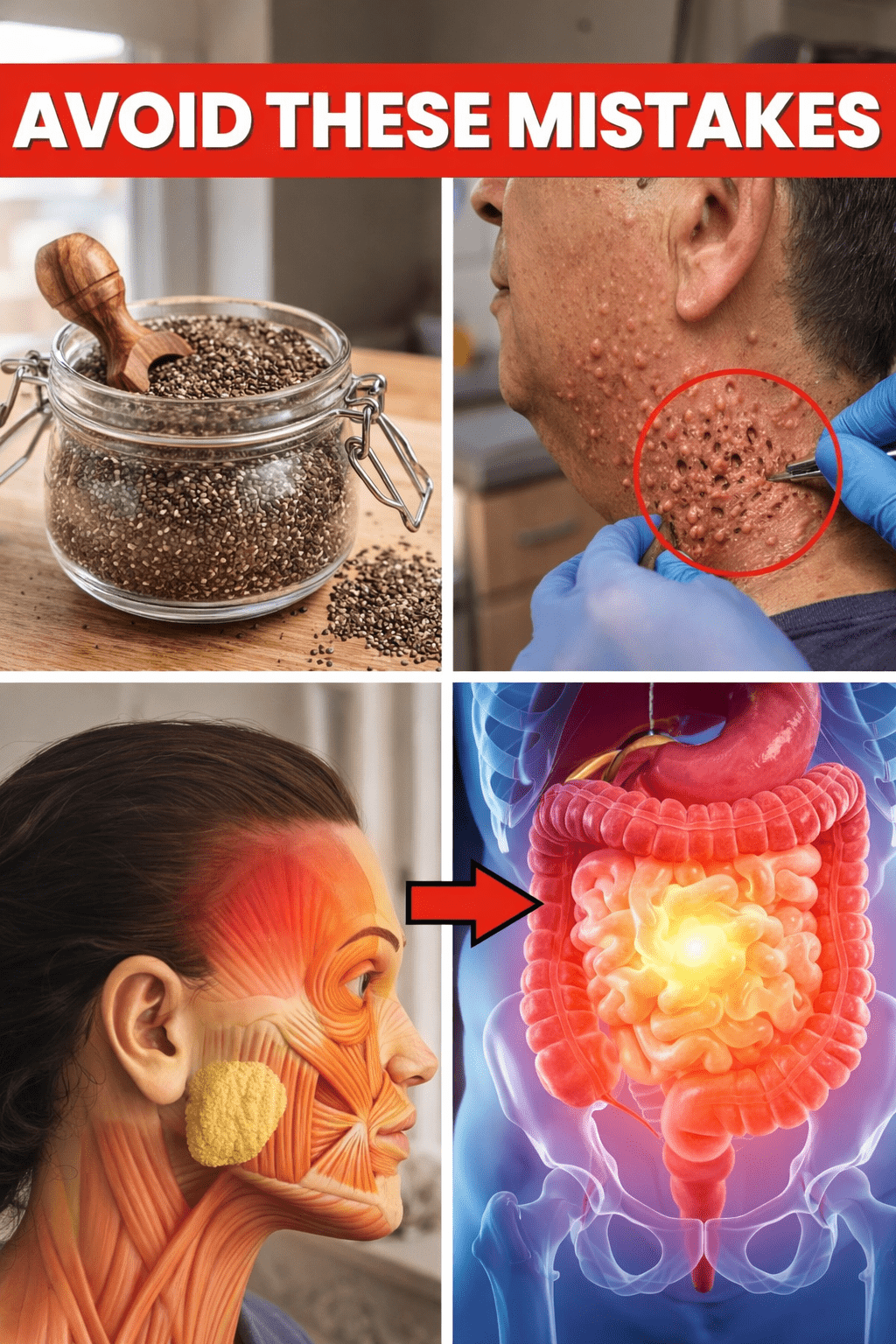
Many people add chia seeds to their daily routine hoping for more energy, better digestion, and a nutrient boost, but end up feeling bloated or noticing little difference. It can be frustrating to sprinkle these tiny seeds into smoothies or yogurt expecting great results, only to deal with discomfort or sluggishness instead. The good news is that small adjustments in preparation can make a real difference in how your body responds. Keep reading to discover five everyday habits that might be holding you back and easy tweaks to help you get more from this popular superfood.
Why Proper Preparation of Chia Seeds Matters
Chia seeds are packed with fiber, omega-3 fatty acids, protein, and minerals like calcium and magnesium. When they absorb liquid, they form a gel that can support steady energy and feelings of fullness. Studies in journals like Nutrients suggest that proper hydration helps make these nutrients more available to the body.
However, if prepared incorrectly, the seeds can expand too quickly in the digestive tract or retain compounds like phytic acid that bind minerals. This may lead to temporary discomfort for some people. The fix often lies in simple steps many overlook.
Here’s the interesting part: most issues stem from habits that seem convenient at the time.
Mistake 1: Using Cold Water for Soaking
Cold water slows down how quickly chia seeds absorb liquid and form their characteristic gel. This can mean the seeds continue expanding after you eat them, which sometimes leads to a heavy feeling.
A better approach is to use room-temperature or slightly warm water (not hot, to preserve nutrients). Research shows warmer liquids speed up hydration without damaging the delicate omega-3s.
Quick tip: Let tap water sit for a few minutes to reach room temperature before adding seeds.
Mistake 2: Soaking for Too Little or Too Long
Soaking too briefly (under 10 minutes) means the seeds may swell later in your stomach. Soaking for days can encourage unwanted fermentation and off flavors.
The sweet spot most people find helpful is 15 to 30 minutes for quick use, or overnight in the fridge for pudding-style texture.
Try this: Set a timer next time and notice how the texture feels more consistent.
Mistake 3: Choosing the Wrong Liquid
Some liquids can interfere with nutrient absorption or add unwanted sugar. For example, fruit juices high in sugar may cause quicker blood sugar shifts, while dairy milk can bind certain minerals for some individuals.
Better options include plain filtered water, unsweetened almond or coconut milk, or mild herbal teas.
Here are some popular liquids and why they work well:
- Filtered water: Neutral and effective for hydration
- Unsweetened plant-based milk: Adds creaminess without sugar
- Coconut water: Provides natural electrolytes
- Herbal tea (cooled): Brings subtle flavor variety
Mistake 4: Skipping the Rinse Step
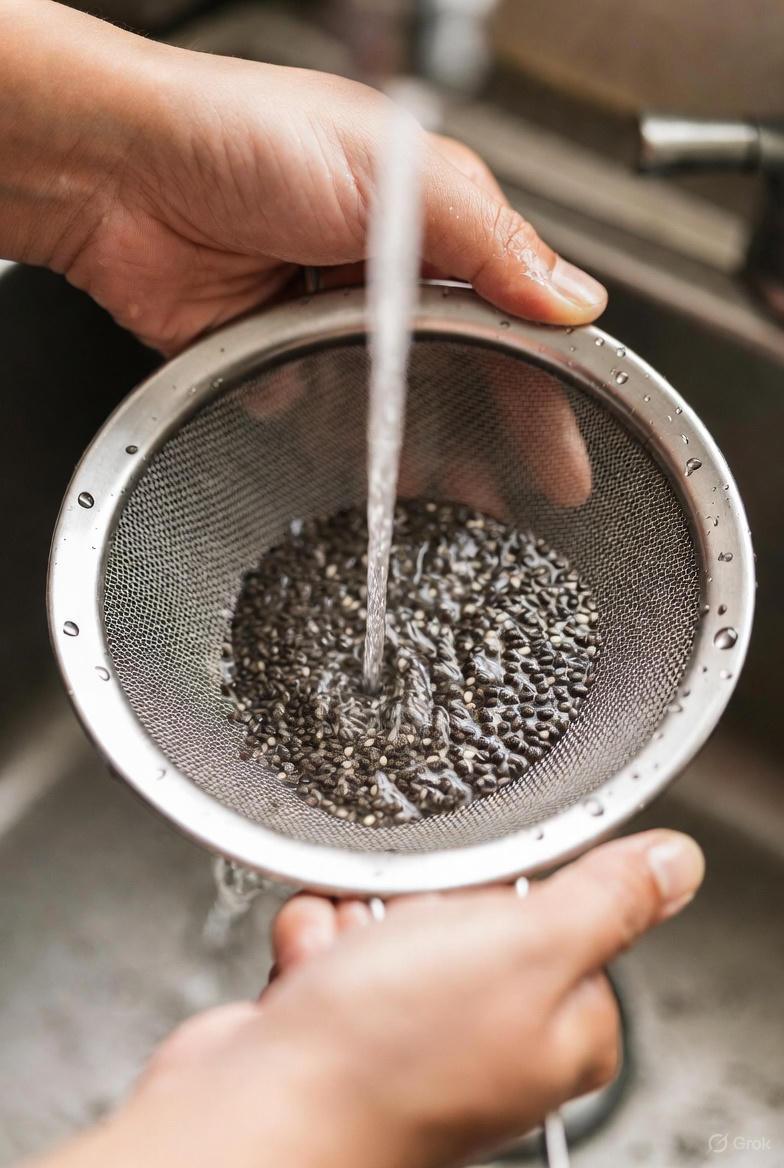
Chia seeds naturally contain phytic acid, a compound that can bind minerals and reduce absorption. A quick rinse helps lower phytic acid levels significantly.
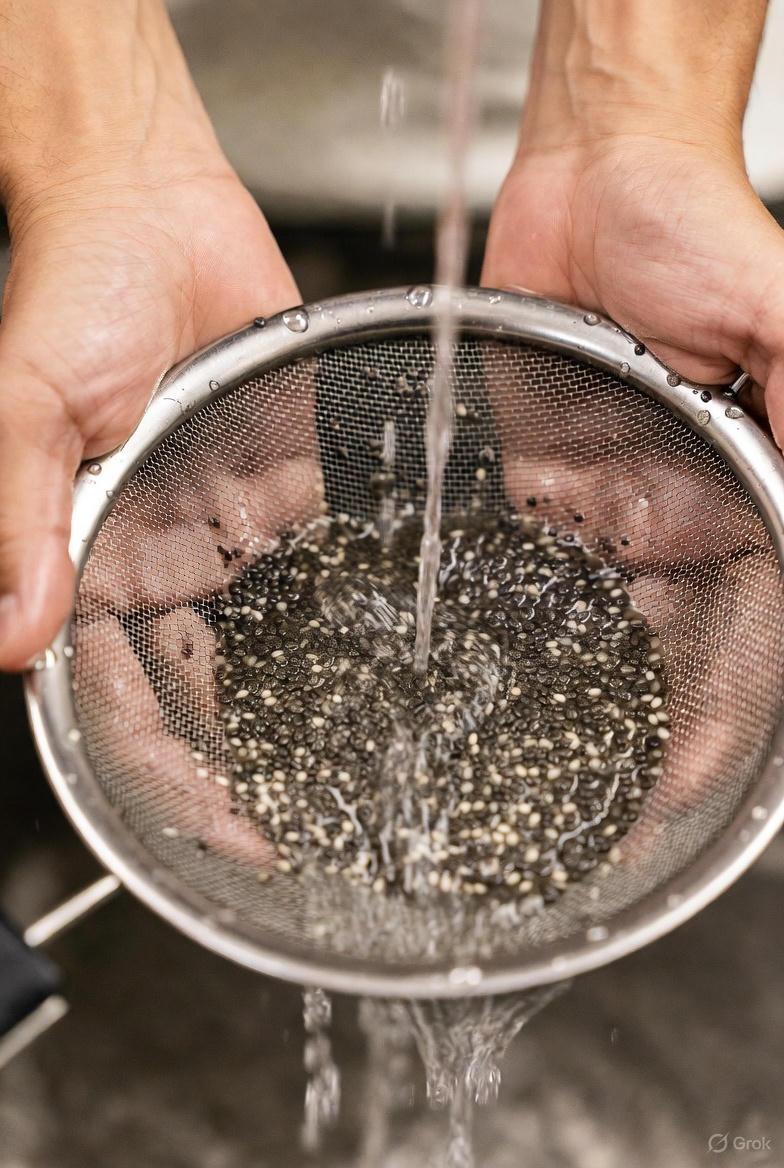
Simple fix: Place seeds in a fine-mesh strainer and rinse under warm water for 20–30 seconds before soaking.
Many people notice improved comfort after adding this small step to their routine.
Mistake 5: Storing Prepared Chia Incorrectly
Leaving large batches in plastic containers or at room temperature can lead to spoilage or unwanted chemical exposure. Adding fresh fruit too early also shortens shelf life.
Best practice: Store in an airtight glass container in the refrigerator for up to 3–4 days.
Pro tip: Make smaller batches to keep texture fresh.
Comparison of Common Mistakes and Easy Fixes
| Mistake | Potential Issue | Simple Fix |
|---|---|---|
| Cold water | Slow, uneven hydration | Room-temperature or slightly warm water |
| Wrong soaking time | Discomfort or fermentation | 15–30 minutes or overnight in fridge |
| Unsuitable liquid | Added sugar or mineral binding | Water, unsweetened plant milk, or herbal tea |
| No rinsing | Higher phytic acid | Quick rinse under warm water |
| Poor storage | Spoilage or texture changes | Airtight glass jar in fridge, up to 3–4 days |
This table makes it easy to spot which habit might be affecting you most.
Step-by-Step Guide: The Best Way to Prepare Chia Seeds
Ready to try an improved method? Here’s a straightforward routine you can start today:
- Measure 1–2 tablespoons of chia seeds.
- Rinse them briefly in a strainer under warm water (20–30 seconds).
- Place in a bowl or jar with 6–8 times the volume of room-temperature liquid (water or unsweetened plant milk works great).
- Stir well to prevent clumping, then let sit for 15–30 minutes (stir again halfway).
- For overnight pudding, cover and refrigerate after initial stirring.
- Optional flavor boost: Add a squeeze of lemon or a pinch of cinnamon after soaking.
Store any extras in a glass container in the fridge.
Many people report feeling lighter and more energized within a few days of consistent preparation.
Extra Tips to Enhance Your Experience
- Start small: If you’re new to chia or sensitive to fiber, begin with 1 teaspoon and gradually increase.
- Combine with meals: Add soaked chia to oatmeal, yogurt, or salads for balanced texture.
- Stay hydrated: Drink plenty of water throughout the day to support fiber intake.
- Experiment safely: Listen to your body and adjust portions as needed.
The real difference often comes from combining several of these tweaks rather than changing just one.
Final Thoughts
Small changes in how you soak and store chia seeds can help you enjoy their natural benefits with less discomfort. Try the rinse-and-warm-water method this week and notice how your body responds. Consistency tends to bring the best results over time.
Everyone’s experience is unique, so pay attention to what feels right for you.
Frequently Asked Questions
How long can I store soaked chia seeds in the fridge?
Most people find 3–4 days in an airtight glass container keeps them fresh and safe.
Can I soak chia seeds in hot water?
It’s better to avoid very hot water, as high heat may affect the omega-3 fatty acids. Room temperature or slightly warm is ideal.
Will rinsing chia seeds remove nutrients?
A quick rinse mainly reduces phytic acid while preserving the majority of fiber, protein, and healthy fats.
This article is for informational purposes only and is not intended to replace professional medical advice. Please consult your healthcare provider before making significant changes to your diet, especially if you have digestive concerns or take medications.


