
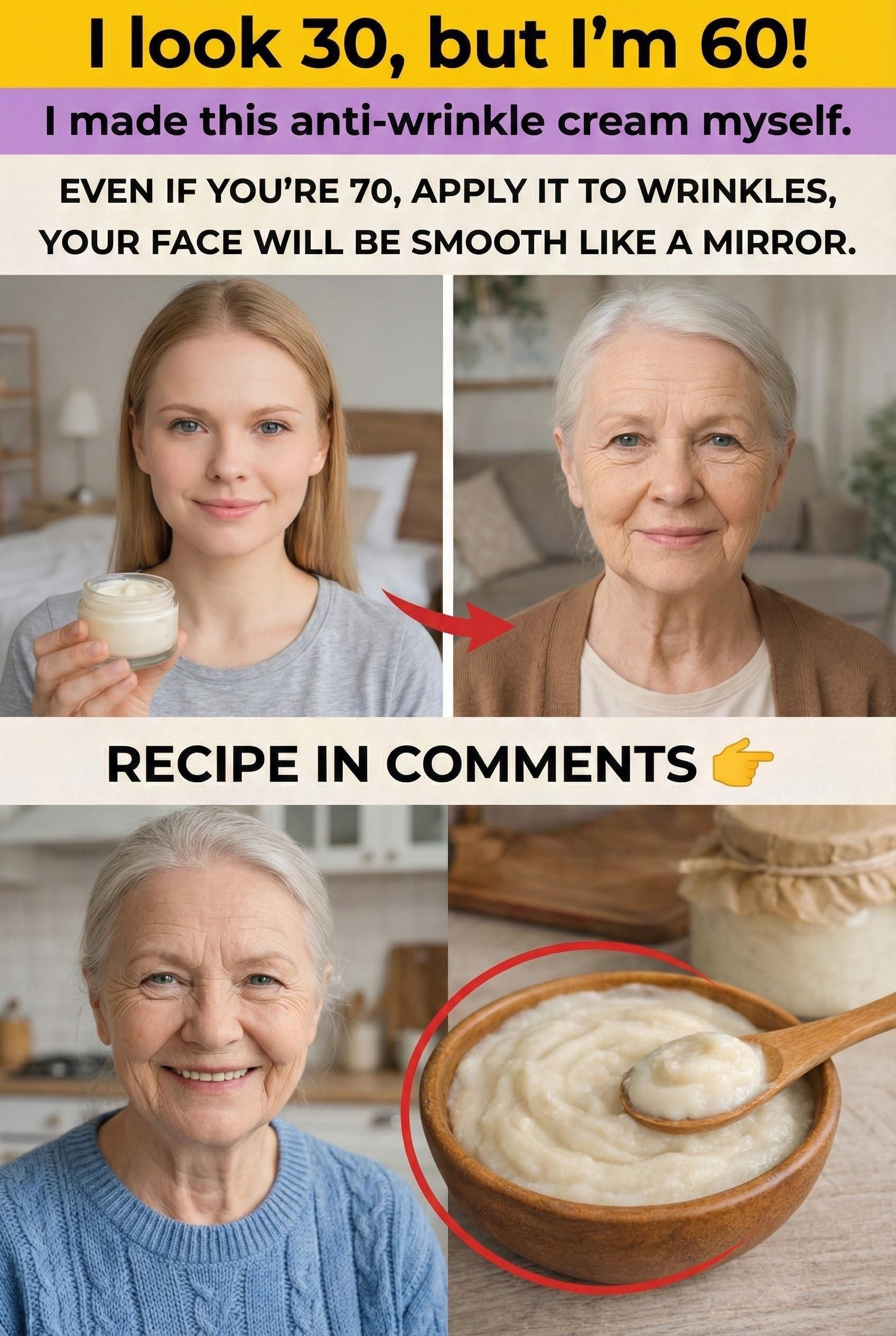
As we age, many of us notice changes in our skin’s texture and appearance that can feel frustrating and hard to manage. Fine lines become more visible, dullness sets in from everyday buildup, and it seems like no matter how much we moisturize, that fresh glow feels out of reach. It’s completely normal to feel self-conscious about these shifts, especially when social media is filled with filtered perfection. But here’s the good news: there’s a surprisingly simple kitchen staple that countless people turn to for a quick refresh—and we’ll dive into what makes it popular, along with a gentle way some incorporate it into their routine.
Why Do People Turn to Baking Soda for Skin Care?
Baking soda, or sodium bicarbonate, has been a household favorite for generations, not just for baking but for its mild abrasive properties. Many enthusiasts share stories of using it as a natural exfoliator to help remove dead skin cells, leaving the skin feeling softer and looking brighter temporarily.
Research and expert opinions note that its fine texture can physically buff away buildup, which may contribute to a smoother feel right after use. For instance, some studies on sodium bicarbonate highlight its potential as a gentle agent in certain dermatological contexts, though mostly for specific conditions rather than everyday anti-aging.
But that’s not all—people often combine it with soothing ingredients to make it even milder. The appeal lies in its accessibility: it’s inexpensive, readily available, and requires no fancy tools.
Here’s the intriguing part: while viral images promise dramatic transformations, the reality is more about subtle, short-term polishing. Curious about how others are trying it safely? Keep reading for a balanced look.
Understanding How Baking Soda Interacts with Skin
Your skin has a natural protective barrier with a slightly acidic pH, around 4.5 to 5.5, which helps keep it healthy and resilient. Baking soda, being alkaline with a pH around 9, can temporarily shift this balance when applied topically.
Dermatologists explain that this shift may help loosen dead cells and excess oil, giving an immediate smoothed-out appearance. Anecdotal reports often describe skin feeling “polished” after a gentle application.
However, experts like those from Healthline and board-certified dermatologists emphasize caution: overuse or undiluted application can lead to dryness, irritation, or disruption of the skin’s microbiome. Studies show mixed results, with some noting temporary benefits for oil control and brightness, but limited evidence for long-term improvements in texture or lines.
The key takeaway? It’s best viewed as an occasional exfoliation tool, not a daily staple. Many prefer gentler alternatives like oatmeal or fruit enzymes for regular use.
A Popular Simple Paste Recipe Many Try at Home
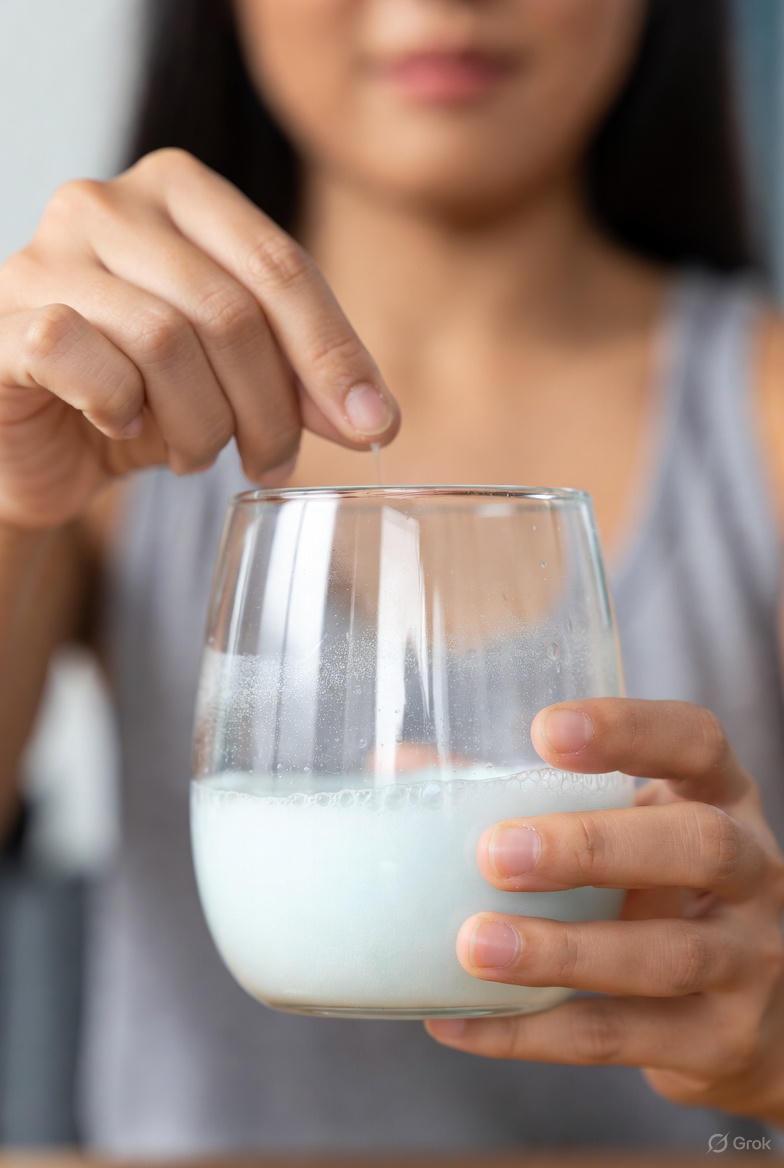
If you’re interested in experimenting with this trending approach, one of the most shared methods involves creating a basic paste. Here’s a step-by-step guide based on common DIY suggestions:
- Start with clean, dry skin in the evening to allow recovery time overnight.
- Mix 1 teaspoon of baking soda with just enough water (or a soothing carrier like aloe vera gel) to form a thin paste. Avoid thick mixtures to minimize abrasion.
- Gently massage the paste onto your face using circular motions for no more than 30-60 seconds, focusing on areas like the forehead or cheeks. Skip the delicate eye area entirely.
- Rinse thoroughly with lukewarm water and pat dry.
- Immediately follow with a fragrance-free moisturizer to replenish hydration.
Many who try this do it once a week at most, always starting with a patch test on the inner arm 24 hours prior to check for sensitivity.
This isn’t about overnight miracles—it’s a ritual some enjoy for that fresh, exfoliated feel the next morning.
But remember, results vary widely by skin type. Oily skin might tolerate it better, while dry or sensitive types often find it too harsh.
Potential Benefits Backed by User Experiences and Limited Research
People who incorporate baking soda sparingly report these common observations:
- Temporary smoother texture from physical exfoliation
- Brighter appearance due to removal of dull surface cells
- Reduced oily shine for a matte finish
- Softer feel when paired with hydrating ingredients
A review in the Journal of Integrative Dermatology suggests sodium bicarbonate can be safe in diluted forms for certain uses, supporting its role as a mild agent.
Here’s a quick comparison of exfoliation methods:
| Method | Frequency Suggested | Gentleness Level | Common Ingredients |
|---|---|---|---|
| Baking Soda Paste | 1-2 times/week | Moderate | Baking Soda + Water |
| Oatmeal Scrub | 2-3 times/week | High | Ground Oats + Honey |
| Chemical Exfoliants | Daily or alternate | Varies | AHAs like Glycolic Acid |
| Microbead-Free Scrubs | Weekly | Medium | Natural Grains |
This table highlights why many alternate methods for sustainability.
Important Precautions and When to Skip It Altogether
Dermatologists overwhelmingly advise against daily use or applying it to broken, irritated, or sensitive skin. Signs to stop immediately include redness, stinging, tightness, or flaking.
Those with conditions like eczema, rosacea, or very dry skin should avoid it. Deeper skin tones may risk post-inflammatory changes from irritation.
Research from sources like Byrdie and Business Insider notes that while it can exfoliate effectively, the pH disruption often outweighs benefits for facial use long-term.
Safer daily habits for smoother skin include:
- Consistent sunscreen application
- Gentle cleansing twice daily
- Hydration with hyaluronic acid serums
- Adequate sleep and a balanced diet rich in antioxidants
These evidence-based steps support skin health without risks.
Gentler Alternatives for Everyday Smoother Skin
If baking soda feels too intense, try these proven options:
- Honey and oatmeal masks for soothing exfoliation
- Yogurt with its natural lactic acid for mild brightening
- Aloe vera gel for calming and hydration
- Store-bought enzyme exfoliators from papaya or pineapple
Many find these provide similar refreshed feelings with less potential for irritation.
Frequently Asked Questions
How often can I try a baking soda paste?
Most suggestions limit it to once a week, with plenty of moisturizing afterward. Always listen to your skin.
Is baking soda suitable for all skin types?
No—it’s often too abrasive for sensitive, dry, or condition-prone skin. Patch test first.
Can it help with dullness overnight?
Some notice temporary brightness from exfoliation, but consistent gentle care yields better long-term results.
In summary, while a simple baking soda paste remains a popular at-home exfoliation hack for many seeking smoother, brighter skin temporarily, it’s essential to approach it mindfully. Prioritize your skin’s comfort and consider professional advice for personalized routines.
Disclaimer: This article is for informational purposes only and not medical advice. Baking soda can irritate skin; discontinue use if irritation occurs. Consult a dermatologist before trying new skincare practices, especially if you have sensitive skin or underlying conditions.


