
Dealing with high creatinine levels can feel overwhelming and worrying. Many people notice changes in energy, swelling, or just a general sense of unease when blood tests show elevated numbers. It stirs up concerns about kidney function and what daily choices, like vitamins, might mean for long-term health. The good news is that understanding how certain vitamins interact with kidneys can empower better decisions.
But here’s the intriguing part: not all vitamins affect kidneys the same way, and some common assumptions might surprise you. Keep reading to uncover practical insights that could make a real difference in managing this.
Understanding High Creatinine and Kidney Health
Creatinine is a waste product from muscle breakdown, normally filtered out by healthy kidneys. When levels rise in the blood, it often signals that kidneys are working harder than usual.
Research shows that factors like diet, hydration, and nutrient intake play roles in supporting overall kidney function. Vitamins are essential for many body processes, including those related to kidneys.
However, with reduced kidney efficiency, some vitamins may need closer attention. Studies from organizations like the National Kidney Foundation indicate that people with kidney concerns often have unique vitamin needs.
The key is balance. Getting vitamins primarily from food is ideal, but supplements might fill gaps when guided properly.
3 Vitamins That Research Suggests May Support Kidney Health
Certain vitamins have been studied for their potential role in kidney function. Here’s what evidence points to:
Vitamin D
Many people with kidney concerns have lower vitamin D levels, as kidneys help activate this nutrient.
Research, including reviews from the National Institutes of Health, links adequate vitamin D to better mineral balance and bone health, which ties into kidney support.
Sources like sunlight exposure, fortified foods, or fatty fish can help. Some studies note that maintaining vitamin D levels correlates with healthier markers in kidney patients.
B Vitamins (Especially B6, B12, and Folic Acid)
Water-soluble B vitamins assist in energy production and red blood cell formation.
In kidney health contexts, research shows these may help manage homocysteine levels, a compound that can strain systems when elevated.
The National Kidney Foundation highlights that B vitamins are often included in renal-specific formulas because they are lost during certain processes.
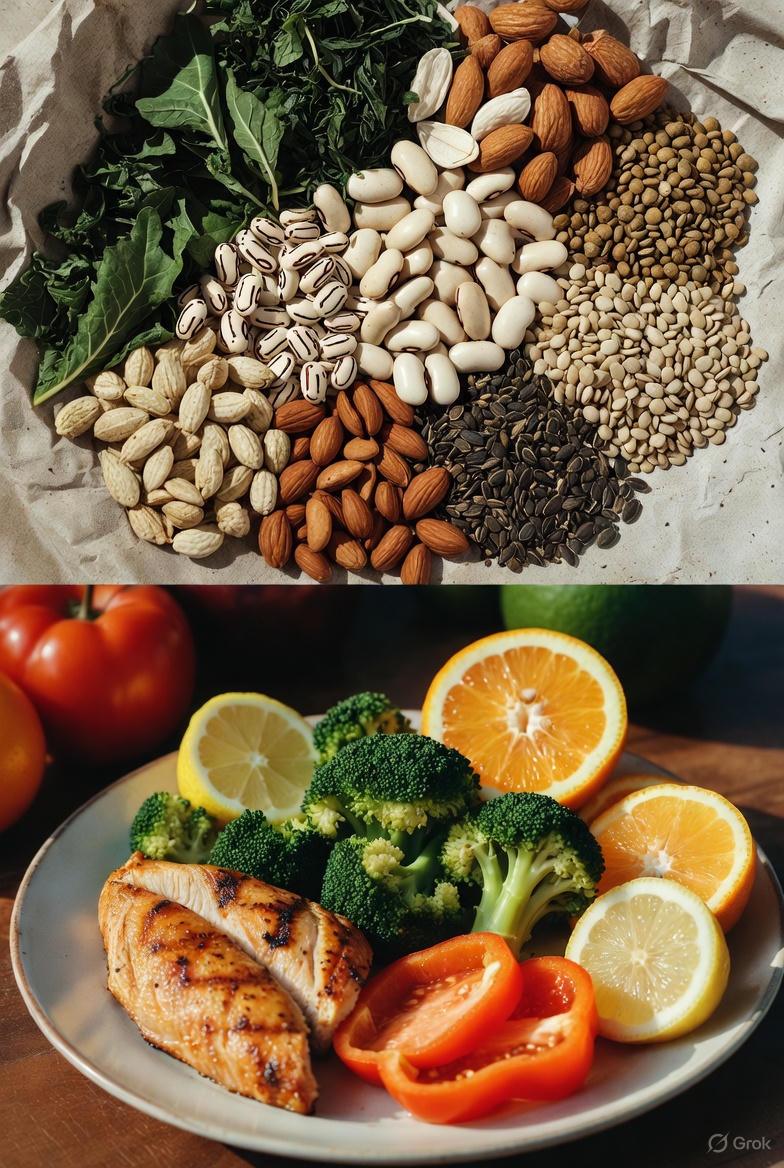
Foods rich in B vitamins include leafy greens, eggs, and lean proteins.
Iron (Often Paired with Vitamins for Absorption)
While not a vitamin, iron works closely with B vitamins and is crucial for oxygen transport.
Some studies associate proper iron levels with better energy and kidney-related outcomes.
Always monitor with blood tests, as needs vary.
Here’s a quick comparison:
| Vitamin | Potential Support Role | Common Food Sources | Notes from Research |
|---|---|---|---|
| Vitamin D | Mineral balance, bone health | Sunlight, fatty fish, fortified dairy | Often low in kidney concerns |
| B Vitamins | Energy, homocysteine management | Greens, eggs, whole grains | Water-soluble, may need monitoring |
| Iron | Oxygen transport, anemia prevention | Lean meats, beans, spinach | Works with vitamins for absorption |
But that’s not the full picture…
3 Vitamins to Approach with Caution When Creatinine Is High
Not all vitamins are equal in this context. Some can accumulate or pose risks in higher amounts.
Vitamin C
Vitamin C is a powerful antioxidant, but high doses (over 500-2000 mg daily) may increase oxalate, potentially leading to stones.
Studies, including those reviewed by Cleveland Clinic, advise moderation, especially with a history of stones.
Stick to food sources like citrus and peppers for safer intake.
Vitamin A
As a fat-soluble vitamin, it can build up when kidney filtration is reduced.
Evidence from kidney health resources notes elevated vitamin A in some patients, suggesting avoidance of extra supplements.
Focus on beta-carotene from veggies, which the body converts as needed.
Vitamin E
Another fat-soluble one, high doses might accumulate.
Research indicates caution with supplements, as they may not be necessary and could add unnecessary load.
Nuts and seeds provide natural amounts safely.
This table highlights differences:
| Vitamin | Why Approach Carefully | Potential Concern | Safer Alternatives |
|---|---|---|---|
| Vitamin C | High doses may form oxalate | Kidney stones risk | Fruits/veggies in moderation |
| Vitamin A | Fat-soluble, can accumulate | Toxicity potential | Beta-carotene foods |
| Vitamin E | May build up in reduced function | Unnecessary load | Small amounts from seeds/nuts |
The truth is, individual needs vary widely based on lab results and overall health.

Practical Tips for Managing Vitamins with High Creatinine
Start with these actionable steps:
- Get blood tests to check current vitamin levels and kidney markers.
- Prioritize a balanced diet rich in kidney-friendly foods.
- Discuss any supplements with a healthcare provider or dietitian specializing in kidneys.
- Stay hydrated, as it supports natural filtration.
- Track how you feel and report changes.
Research consistently emphasizes personalized guidance over general supplementation.
Frequently Asked Questions
Can vitamins lower creatinine levels directly?
No single vitamin directly lowers creatinine, but supporting overall nutrition may help maintain healthy kidney function markers, per studies.
Is it safe to take a regular multivitamin with high creatinine?
Many standard multivitamins contain vitamins that may need caution. Renal-specific formulas are often recommended instead.
How much vitamin D is typically suggested?
Needs vary, but monitoring levels and discussing activation forms with a provider is key.
Final Thoughts
Navigating vitamins with high creatinine involves informed choices focused on food-first approaches and professional input. While some vitamins like D and B complex show supportive roles in research, others require careful consideration to avoid potential issues.
Remember, this information is for educational purposes and empowers better conversations with healthcare teams.
Disclaimer: This article is for informational purposes only and not medical advice. Always consult a qualified healthcare professional before making changes to diet, supplements, or lifestyle, especially with kidney concerns. Individual needs differ, and self-treatment can be risky.


