
Many people notice their vision changing as they get older, making everyday tasks like reading or driving more challenging. These shifts can feel frustrating and worrying, especially when they affect independence and quality of life. The good news is that certain natural ingredients, backed by emerging research, may offer supportive benefits for maintaining healthy vision.
In this guide, we’ll explore one such ingredient that’s been gaining attention: saffron. Studies suggest it could play a role in daily eye wellness, and there’s a simple way to add it to your routine. Keep reading to discover what the science says and practical tips you can try today.
What Is Saffron and Why Is It Linked to Eye Health?
Saffron comes from the dried stigmas of the Crocus sativus flower, a spice long valued in cooking for its unique flavor and color. It’s rich in compounds like crocin and safranal, which have strong antioxidant properties.
Research, including several clinical trials, has looked into how these antioxidants might support eye health. For instance, studies on people with early age-related macular degeneration (AMD) have shown that daily saffron supplementation was associated with improvements in visual function measures, such as retinal sensitivity and acuity.
But that’s not all—preliminary findings also point to potential benefits for overall retinal protection against oxidative stress, a factor in many age-related eye changes.
The Science Behind Saffron’s Potential Benefits for Vision
Multiple randomized controlled trials have explored saffron’s effects on vision. In one study involving participants with mild to moderate AMD, daily intake of 20 mg of saffron over several months helped preserve multifocal electroretinogram responses—a key indicator of retinal health.
Another trial found modest improvements in visual acuity, with participants able to read additional lines on an eye chart. These effects were seen even in those already taking standard nutrient supplements.
Here’s a quick overview of key findings from recent research:
- Antioxidant Protection: Saffron’s compounds may help combat oxidative damage in retinal cells.
- Retinal Function Support: Studies report preserved or enhanced electrical responses in the retina.
- Visual Acuity and Sensitivity: Participants often showed better sharpness and light sensitivity.
The truth is, while more large-scale studies are needed, the existing evidence is encouraging for those looking for natural ways to support their eyes.
Simple Ways to Add Saffron to Your Daily Routine
Incorporating saffron doesn’t have to be complicated. The doses used in studies—typically 20-30 mg per day—are easy to achieve with high-quality threads or supplements.
Here are some actionable tips to get started:
Easy Saffron Tea Recipe
This is one of the simplest and most enjoyable methods.
- Boil 1 cup of water and let it cool slightly (around 200°F to avoid bitterness).
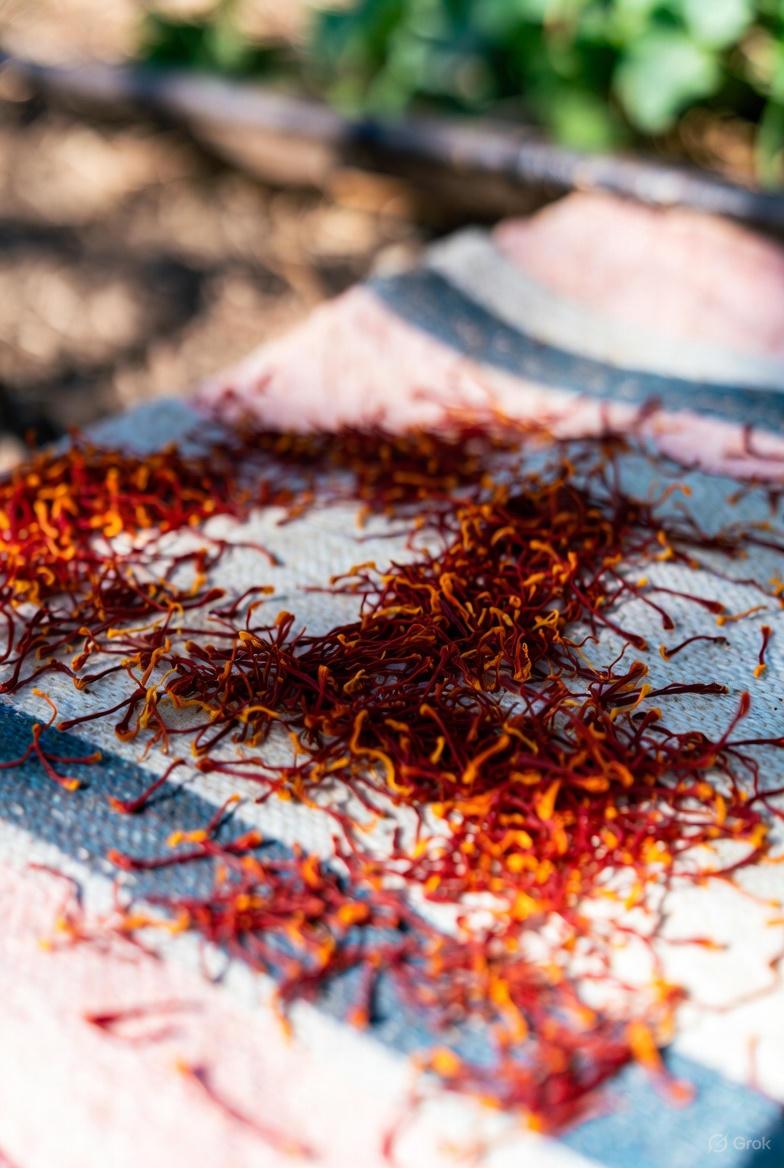
- Add 8-10 high-quality saffron threads (about 20 mg).
- Steep for 5-10 minutes, covered, to release the compounds.
- Strain if desired, and sweeten lightly with honey for taste.
- Enjoy once daily, perhaps in the morning or evening.
You can reuse the threads for a second, weaker brew if you’d like.
Other Practical Ideas
- In Food: Sprinkle a few threads into rice dishes, soups, or warm milk before bed.
- With Supplements: Choose standardized saffron extracts if convenience is key—look for those matching study doses.
- Consistency Matters: Aim for daily use, as benefits in research appeared after weeks to months.
Start small and monitor how you feel. Quality matters—opt for reputable sources to ensure purity.
Key Nutrients in Saffron That May Support Eye Wellness
Saffron stands out due to its unique profile. Here’s a comparison of its main compounds versus common eye-supporting nutrients:
| Compound | Found In Saffron | Potential Role in Eye Health | Common Sources |
|---|---|---|---|
| Crocin | High | Strong antioxidant; may protect retinal cells | Primarily saffron |
| Safranal | High | Anti-inflammatory; supports light sensitivity | Saffron |
| Lutein/Zeaxanthin | Low | Filters blue light; builds macular pigment | Leafy greens, eggs |
| Vitamin A | None | Essential for night vision | Carrots, sweet potatoes |
This table highlights why saffron is often studied as a complementary addition rather than a replacement.
Tips for Choosing and Storing Saffron
To maximize benefits:
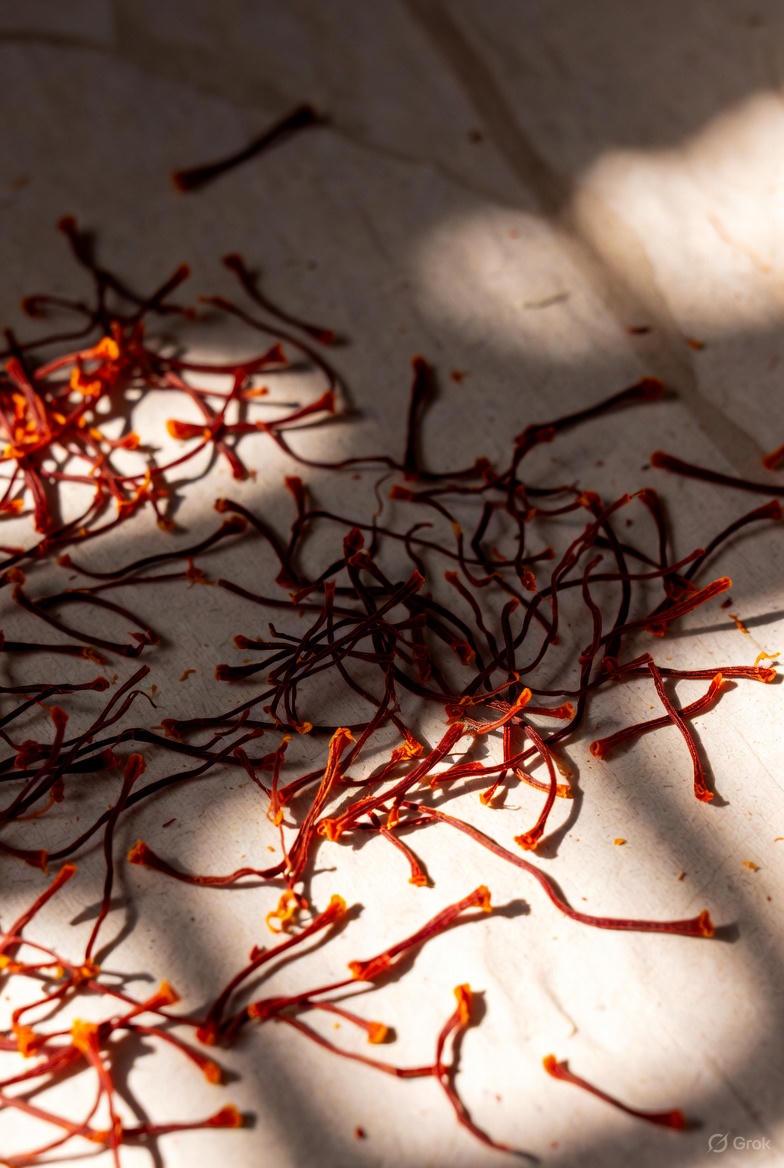
- Look for deep red threads with no yellow parts (indicating higher quality).
- Store in an airtight container away from light and heat.
- Avoid powdered forms unless from trusted brands, as they can be adulterated.
Frequently Asked Questions
How long does it take to notice any differences?
Research trials often saw changes after 3 months of daily use, though individual experiences vary.
Can I combine saffron with other eye supplements?
Studies suggest it may work well alongside standard formulas like AREDS nutrients—always check with your doctor.
Is saffron safe for everyday use?
At typical doses of 20-30 mg daily, clinical trials report minimal side effects. Higher amounts (over 5 grams) could cause issues, so stick to recommended levels.
Final Thoughts
Adding a touch of saffron to your routine could be a gentle, natural way to support your eye health as part of a balanced lifestyle. Combined with habits like eating leafy greens, protecting your eyes from UV light, and getting regular check-ups, it offers an approachable option worth considering.
Remember, this is about supportive habits, not quick fixes.
Disclaimer: This article is for informational purposes only and is not intended to diagnose, treat, cure, or prevent any disease. Always consult with a healthcare professional before starting any new dietary practice or supplement, especially if you have existing health conditions or are taking medications. Individual results may vary.


