
Many people experience heart-related episodes without the dramatic chest-clutching pain often shown in movies. Instead, the body sends quieter signals that are easy to dismiss as fatigue, stress, or indigestion. These overlooked clues can appear days or even weeks before a more serious event, leaving little time to respond if ignored.
The scary part? Research shows that up to half of all heart attacks are “silent” or present with mild symptoms that go unreported. But here’s the good news: becoming familiar with these subtle signs can help you stay ahead. And later in this article, I’ll share a simple daily habit that many experts recommend for better heart awareness.
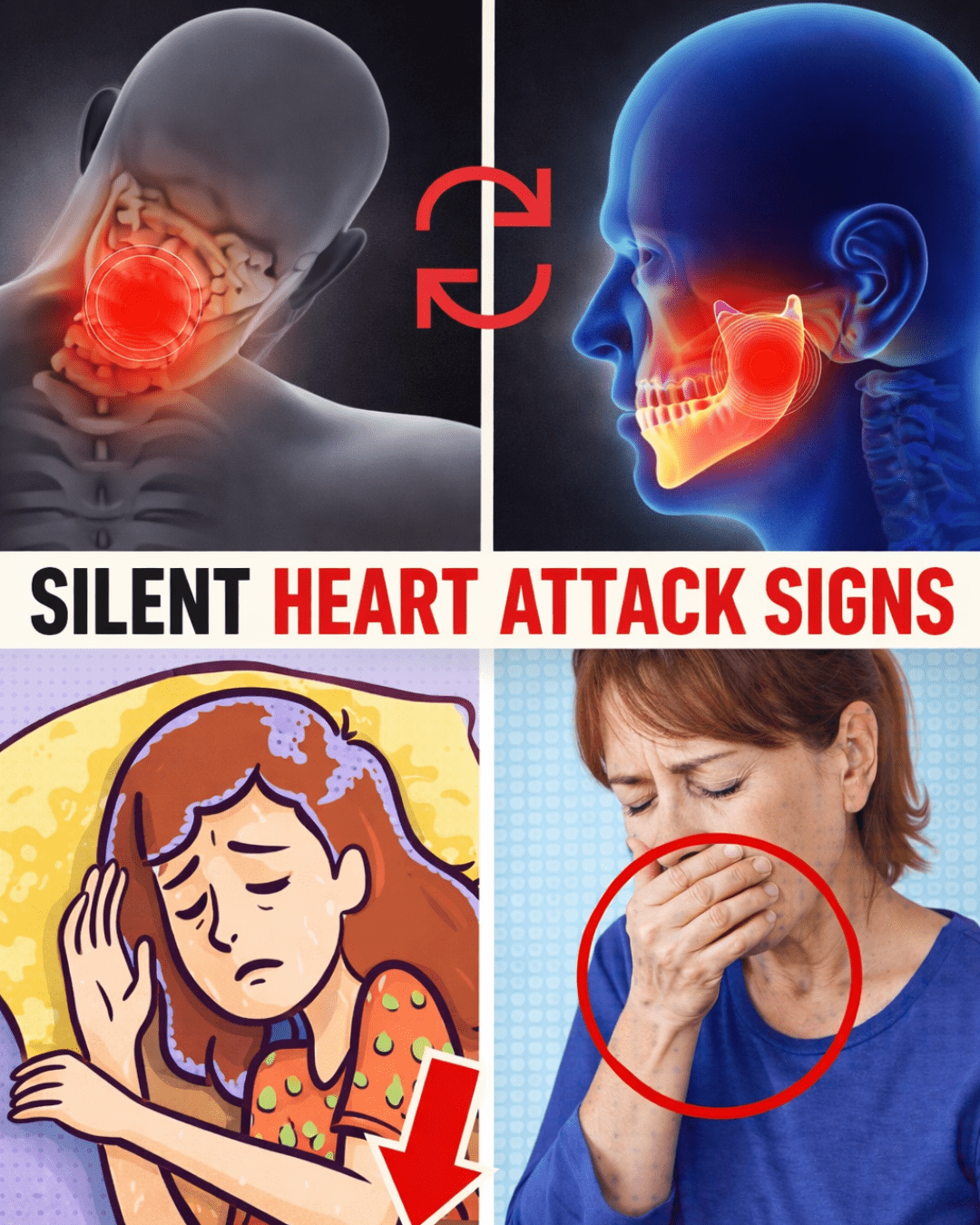
What Is a Silent Heart Attack?
A silent heart attack, also known medically as a silent myocardial infarction, happens when blood flow to part of the heart is blocked, but the symptoms are so mild that most people don’t realize it’s occurring.
Studies from organizations like the American Heart Association indicate that silent heart attacks are more common than many realize, especially in women, older adults, and people with diabetes.
The damage is still real, though. Over time, these unnoticed events can weaken the heart and increase risk for future problems.
But that hasn’t stopped millions from missing the warning signs entirely.
Why Silent Heart Attacks Often Go Unnoticed
Classic heart attack symptoms like intense chest pain and shortness of breath don’t always appear. Instead, the body might show vague discomfort that feels like something else entirely.
Factors like higher pain thresholds, nerve differences, or co-existing conditions can mask the signals.
Research published in the journal Circulation found that nearly 45% of heart attacks are silent, and many are only discovered later during routine medical tests.
This is why paying attention to unusual changes in your body matters more than waiting for obvious drama.
Here’s the interesting part…
6 Subtle Signs You Should Never Ignore
Let’s look at the most commonly reported subtle signs backed by medical observations.
1. Unusual Fatigue That Comes On Suddenly
Feeling exhausted after a poor night’s sleep is normal. But extreme tiredness that appears out of nowhere, even after rest, can be an early clue.
Many people report feeling completely drained for days or weeks before a cardiac event.
Studies suggest this happens because the heart is working harder to pump blood with reduced efficiency.
If daily tasks suddenly feel overwhelming, it’s worth noting.
2. Discomfort in the Jaw, Neck, or Back
Pain or pressure in the jaw, neck, shoulders, or upper back is frequently dismissed as muscle strain or poor posture.
Yet these areas are common referral sites for heart-related discomfort, especially in women.
According to the National Heart, Lung, and Blood Institute, this type of discomfort can come and go and may worsen with activity.
It’s easy to blame office ergonomics, but tracking when it occurs can provide valuable insight.
3. Mild Indigestion or Nausea
Heartburn-like sensations, bloating, or nausea after meals are common complaints.
However, when these occur without dietary triggers and are accompanied by sweating or dizziness, they deserve attention.
Research shows that gastrointestinal symptoms are more prevalent during silent events in certain groups.
Keeping a simple symptom journal can help spot patterns over time.
4. Shortness of Breath During Routine Activities
Suddenly feeling winded while climbing stairs or walking short distances can signal reduced heart efficiency.
This symptom often appears gradually, making it easy to attribute to aging or lack of fitness.
But studies highlight shortness of breath as one of the top subtle indicators.
The key is noticing when everyday exertion feels unusually challenging.

5. Cold Sweats or Clammy Skin
Breaking into a cold sweat without fever or intense exercise is another quiet red flag.
This happens when the body activates its stress response due to inadequate blood flow.
Many survivors recall episodes of unexplained clamminess in the weeks prior.
Paying attention to these moments can make a real difference.
6. Mild Chest Discomfort That Comes and Goes
Not all chest sensations are crushing pain. Sometimes it’s just pressure, fullness, or mild ache that lasts only minutes.
People often describe it as “an elephant sitting on my chest” in major events, but silent versions feel far milder.
The American College of Cardiology notes that any new chest discomfort warrants monitoring.
Here’s what you can do about it…
Simple Steps to Stay Proactive About Your Heart Health
Knowledge is power, but action creates change. Here are practical habits you can start today:
- Track your symptoms: Keep a small notebook or phone note of unusual feelings, including date, time, and triggers.
- Move regularly: Aim for at least 30 minutes of moderate activity most days—walking counts.
- Eat heart-friendly foods: Focus on whole grains, fruits, vegetables, lean proteins, and healthy fats.
- Manage stress: Practices like deep breathing or short meditation sessions help lower cardiovascular strain.
- Schedule regular check-ups: Discuss any concerns with your healthcare provider during routine visits.
These small consistent steps add up over time.
But that daily habit I mentioned earlier?
Many cardiologists recommend taking just two minutes each morning to check your resting pulse and note how you feel overall. This simple routine builds body awareness and helps spot changes early.
When to Seek Immediate Help
While subtle signs deserve monitoring, certain combinations require urgent care:
- Sudden severe chest pain
- Difficulty breathing with chest pressure
- Fainting or severe dizziness
- Pain spreading to arms, back, or jaw with sweating
Never hesitate to call emergency services if something feels seriously wrong.
Your intuition matters.

Final Thoughts
Recognizing these six subtle signs—unusual fatigue, discomfort in the jaw or back, indigestion-like feelings, shortness of breath, cold sweats, and mild chest pressure—can help you stay one step ahead.
Combining awareness with healthy daily habits and regular medical check-ups offers the best protection.
Small observations today can lead to better outcomes tomorrow.
Frequently Asked Questions
Can a silent heart attack happen to young people?
Yes, though less common, silent heart events can occur in younger adults, especially with risk factors like smoking, high blood pressure, or family history.
How long do subtle symptoms last before a heart event?
They can appear days, weeks, or even months beforehand and may come and go intermittently.
Are women more likely to experience silent heart attacks?
Research indicates women are more likely to have atypical or subtle symptoms compared to the classic presentation more common in men.
Disclaimer: This article is for informational purposes only and is not a substitute for professional medical advice, diagnosis, or treatment. Always consult your healthcare provider about any health concerns or symptoms you experience.


