
As we enter our 60s and beyond, many of us notice changes in our strength and energy levels that can make everyday activities feel more challenging. It’s common to experience a gradual decline in muscle mass, which affects mobility and overall vitality. This natural process can leave us feeling frustrated, wondering if there’s a way to stay active and independent longer.
The good news is that small, consistent habits can make a real difference in how our bodies respond. Research shows that supporting muscle health involves more than just exercise—nutrition plays a key role, especially during periods of rest. But what if one easy addition to your evening routine could help provide ongoing nourishment to your muscles overnight? Keep reading to discover a straightforward approach backed by science.

Understanding Muscle Changes as We Age
Muscle maintenance becomes more important with age because our bodies naturally lose muscle tissue over time, a process known as sarcopenia. This can start subtly but impact balance, strength, and daily function.
Studies indicate that after age 60, factors like reduced protein utilization contribute to this shift. However, providing the right nutrients at the right times can help support muscle protein synthesis—the body’s way of repairing and maintaining muscle.
One overlooked opportunity is the overnight period. During sleep, your body recovers, but without nutrients, it may draw from existing muscle stores. This is where timing matters.
But that’s not all—combining this with daily habits can amplify the benefits.
Why Protein Timing Matters for Muscle Support
Protein is essential for muscle health because it supplies amino acids that help repair tissues. As we get older, our muscles may need more support to respond effectively.
Research has explored how protein consumed at different times affects recovery. For instance, studies on older adults show that certain types of protein can provide sustained amino acid release, supporting overnight processes.
One type stands out: slow-digesting proteins like casein, found in dairy foods. Unlike faster-digesting options, casein releases amino acids gradually, which may align well with the long overnight fast.
Here’s the interesting part—evidence suggests that consuming casein-rich foods before bed can influence muscle protein synthesis during sleep.
The Benefits of a Nighttime Casein-Rich Snack
Casein protein has been studied for its slow-release properties. In one study involving healthy older men, ingesting 40 grams of casein before sleep increased overnight muscle protein synthesis rates compared to lower amounts.
Another trial found that pre-sleep protein, particularly casein, helped shift protein balance positively overnight. This could mean better support for muscle maintenance during rest.
Real-food sources like cottage cheese provide casein naturally. A study showed that consuming cottage cheese (about 30 grams of protein) before bed had similar effects on metabolism and recovery as isolated casein, without adding extra body fat.
These findings highlight how a simple snack can turn the overnight hours into a supportive period for muscles.
But how much is enough, and what’s the best way to incorporate it?
Choosing the Right Nighttime Option: Focus on Cottage Cheese
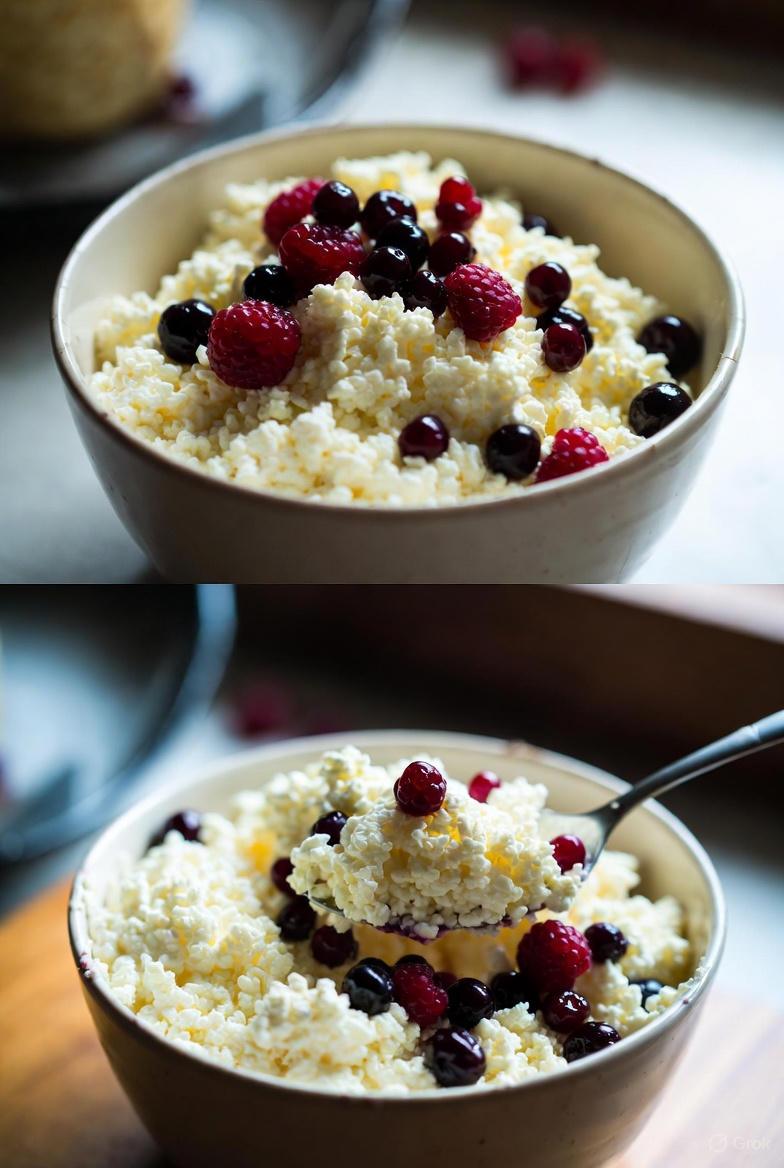
Cottage cheese is a convenient, whole-food source of casein. It’s low in calories, high in protein, and easy to prepare.
A typical serving (around 1 cup of low-fat cottage cheese) provides 25-30 grams of protein, mostly casein, which digests slowly.
Research supports that this amount before bed can contribute to overnight recovery. For example:
- One study noted positive effects on muscle quality and metabolism from pre-sleep cottage cheese.
- Another compared it directly to casein supplements and found comparable benefits.
If dairy isn’t an option, other slow-release proteins like Greek yogurt or milk can work similarly.
The key is consistency—making this a habit alongside balanced daytime nutrition.
Actionable Tips to Get Started
Incorporating a nighttime snack is simple. Here’s a step-by-step guide:
- Choose your snack: Aim for 30-40 grams of protein from a casein-rich food, like 1-1.5 cups of low-fat cottage cheese.
- Time it right: Eat it 30-60 minutes before bed to allow digestion to begin.
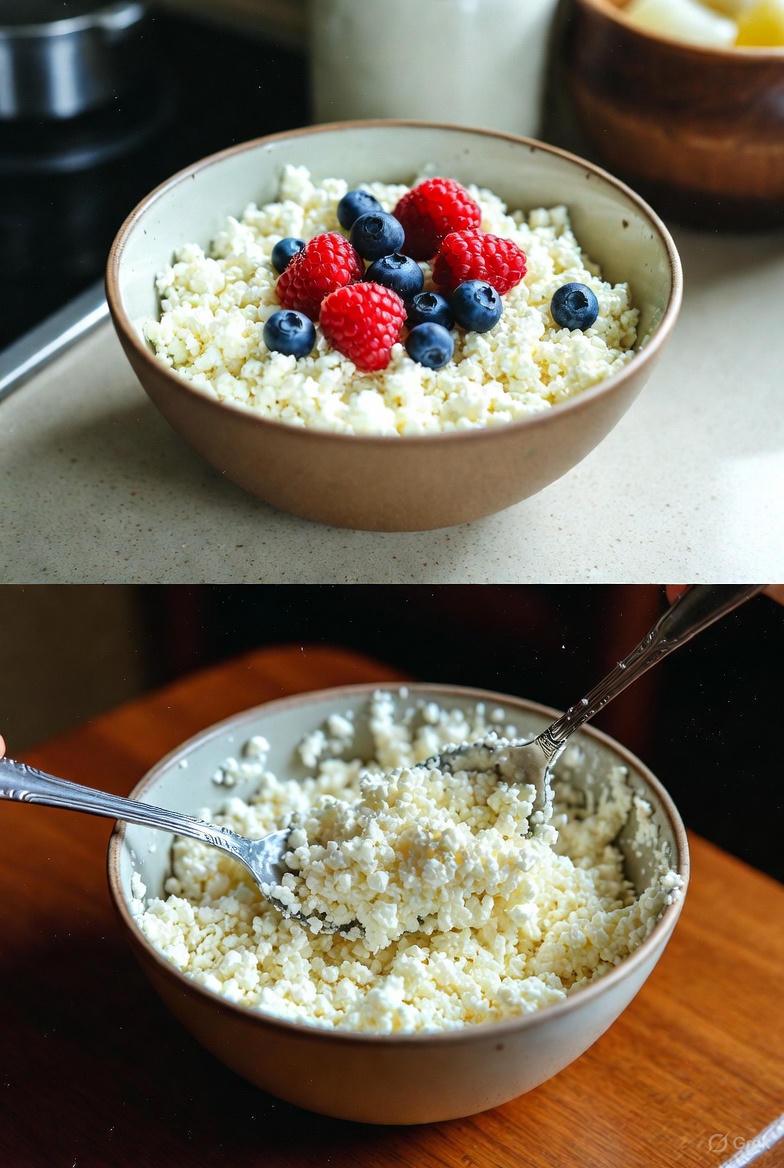
- Keep it simple: Plain cottage cheese or with a few berries for flavor—no need for added sugars.
- Pair with daily habits: Combine this with strength training 2-3 times a week and adequate daytime protein (aim for 1.2-1.6 grams per kg of body weight total).
- Track progress: Notice improvements in energy or strength over weeks.
Start small and adjust based on how you feel.
Comparing Nighttime Protein Sources
To help visualize options, here’s a quick comparison:
| Food Source | Protein per Serving (approx.) | Key Benefits | Best For |
|---|---|---|---|
| Low-Fat Cottage Cheese (1 cup) | 25-30g | Natural casein, low calorie | Easy, versatile snack |
| Greek Yogurt (plain, 1 cup) | 20-25g | Probiotics + casein/whey mix | Digestive support |
| Milk (2-3 cups) | 20-30g | Tryptophan for relaxation | Those who prefer a drink |
| Casein Powder Shake | 30-40g | Convenient, customizable | Non-dairy alternatives if needed |
These can all provide slow-release support.
Additional Ways to Support Muscle Health
Beyond nighttime habits:
- Stay active: Include resistance exercises like weights or bodyweight moves.
- Balance your plate: Focus on lean proteins, veggies, and whole grains during the day.
- Hydrate well: Water supports all body processes.
- Get quality sleep: Aim for 7-9 hours to maximize recovery.
Research consistently shows that combining nutrition with movement yields the best results.
This is the part that’s exciting—many people notice real differences with these changes.
Conclusion
Supporting muscle health after 60 is about smart, sustainable habits. A simple nighttime snack rich in slow-digesting protein, like cottage cheese, offers a practical way to provide ongoing nourishment during sleep. Backed by studies showing benefits for overnight recovery, this approach can complement exercise and daily nutrition.
Start incorporating it tonight and build from there. Over time, these small steps can help you feel stronger and more energized.
Frequently Asked Questions
What is the best time to eat a nighttime protein snack?
About 30-60 minutes before bed allows for proper digestion and amino acid release overnight.
Can this habit help if I don’t exercise?
It may provide general support, but combining with resistance training enhances benefits, as shown in research.
Is cottage cheese suitable for everyone?
It’s a great option for most, but if you have dairy sensitivities, consult a doctor for alternatives.
Disclaimer: This article is for informational purposes only and is not intended to diagnose, treat, or prevent any medical condition. Always consult with a healthcare professional before making changes to your diet or exercise routine, especially if you have health concerns.


