
As we reach our 50s and beyond, many of us notice our knees feeling a bit stiffer in the morning or aching after a long walk. These small discomforts can make everyday activities like climbing stairs or enjoying time with family feel more challenging than they used to. The good news is that certain nutrient-rich foods can help nourish your joints and promote better mobility in a gentle, natural way. And later in this article, I’ll share a surprisingly easy smoothie recipe that brings many of these benefits together in one glass.

Why Joint Health Matters More After 50
Cartilage acts as a natural cushion between your bones, allowing smooth movement in the knees. Over time, everyday wear and tear can thin this cushion, leading to occasional stiffness or discomfort.
Research shows that nutrients like omega-3 fatty acids, antioxidants, vitamin C, and collagen-building compounds play a role in supporting joint flexibility and comfort. Studies published in journals like the American Journal of Clinical Nutrition highlight how these elements from food sources may help maintain healthy inflammation levels and protect joint tissues.
But that’s not all. The right choices can also support overall bone strength and muscle function around the knees.
Top 5 Foods That Provide Natural Joint Support
Here are five everyday foods backed by nutritional science that can easily fit into your meals. Aim to include them regularly for the best ongoing benefits.
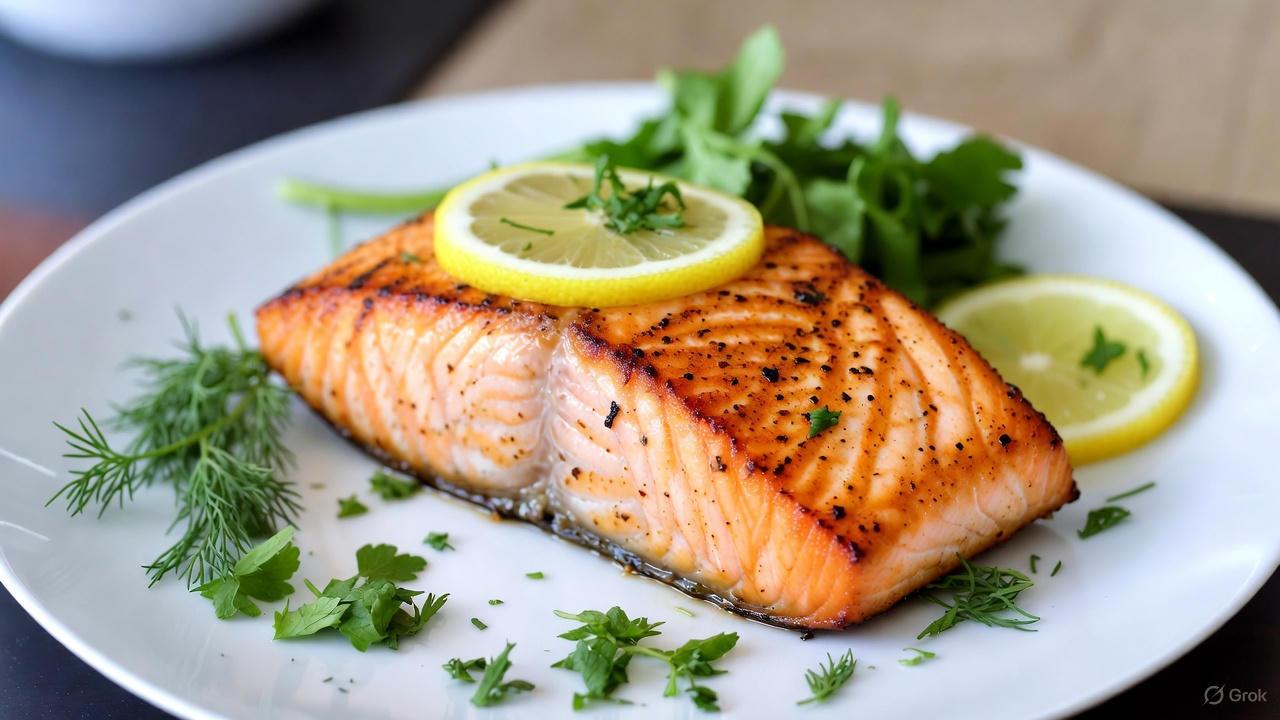
1. Fatty Fish Like Salmon and Mackerel
Fatty fish stand out as one of the richest sources of omega-3 fatty acids. These healthy fats are known for their role in helping maintain normal inflammatory responses in the body.
A review in the journal Nutrients suggests that regular consumption of omega-3s from fish may support joint mobility and comfort.
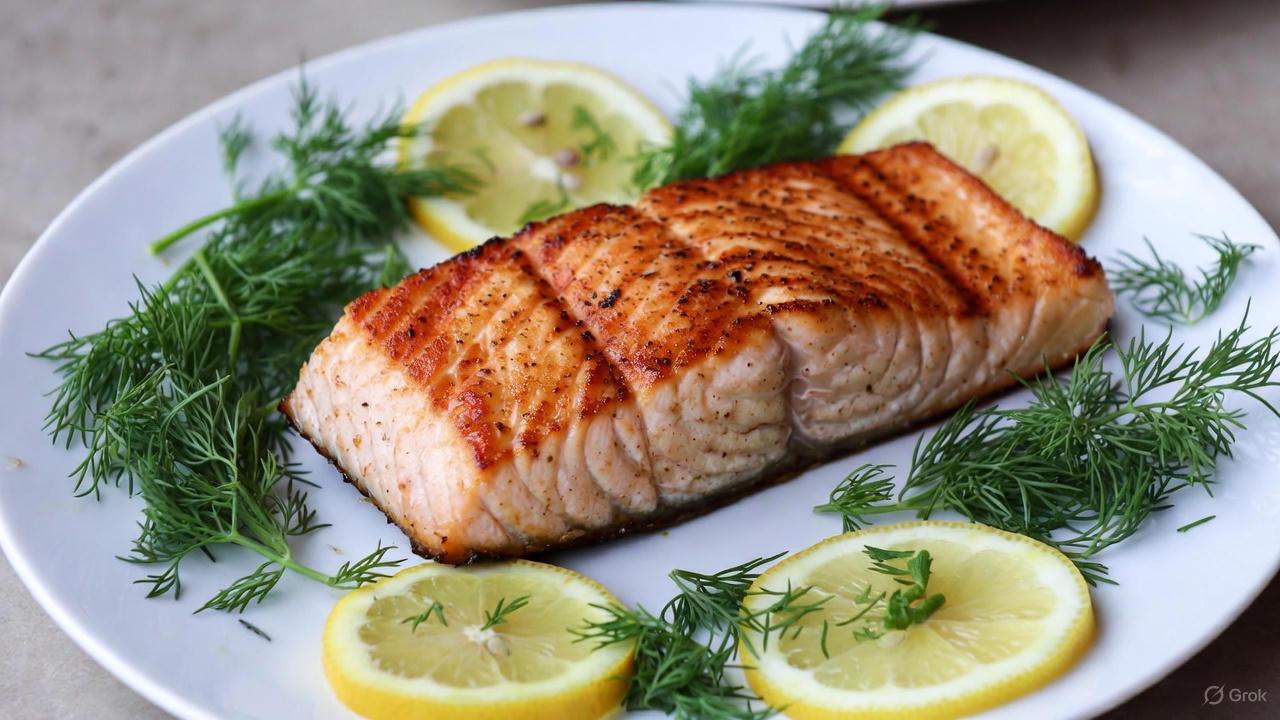
Actionable tip: Grill a salmon fillet with fresh herbs and lemon twice a week, or add canned sardines to a green salad for an easy lunch boost.
2. Colorful Berries Such as Blueberries and Strawberries
Berries burst with antioxidants and vitamin C, which the body uses to produce collagen a key protein for healthy connective tissues.
According to research from the Journal of Agricultural and Food Chemistry, the polyphenols in berries help combat oxidative stress that can affect joints over time.
Actionable tip: Keep frozen berries on hand. Add a handful to breakfast yogurt or oatmeal each morning for a sweet, nutrient-packed start.
3. Leafy Greens Including Spinach and Kale
Dark leafy greens deliver vitamin K, magnesium, and additional antioxidants that support bone density and joint function.
Studies in the American Journal of Clinical Nutrition indicate that higher vitamin K intake is linked to better joint health markers in older adults.
Actionable tip: Sauté a bunch of kale with garlic and olive oil as a simple side dish, or toss fresh spinach into soups just before serving.
4. Homemade Bone Broth
Slowly simmered bone broth provides natural collagen, gelatin, and minerals like calcium and magnesium that nourish connective tissues.
While more research is ongoing, preliminary studies in the International Journal of Sport Nutrition and Exercise Metabolism note that collagen peptides may support joint comfort.
Actionable tip: Make a big batch on the weekend using beef or chicken bones, vegetables, and herbs. Sip a warm cup daily or use it as a base for soups and stews.
5. Chia Seeds and Walnuts
These tiny powerhouses offer plant-based omega-3s (ALA), magnesium, and fiber all helpful for overall joint and muscle support.
Research in the Journal of Food Science and Technology shows that chia seeds form a gel when soaked, making their nutrients easier to absorb.
Actionable tip: Soak 1 tablespoon of chia seeds in water overnight and add to yogurt, or keep a small container of walnuts for a quick afternoon snack.
Here’s a quick comparison to help you choose:
| Food | Key Nutrients | Easy Way to Enjoy | Frequency Suggestion |
|---|---|---|---|
| Fatty Fish | Omega-3 fatty acids | Grilled or baked | 2–3 times per week |
| Berries | Vitamin C, antioxidants | Fresh or frozen in smoothies | Daily |
| Leafy Greens | Vitamin K, magnesium | Raw in salads or lightly cooked | 4–5 times per week |
| Bone Broth | Collagen, minerals | Warm mug or soup base | Several times per week |
| Chia/Walnuts | Plant omega-3s, magnesium | Sprinkled or handheld snack | Daily |
A Refreshing Knee-Supporting Smoothie You Can Make in Minutes
This is the part many readers love: a simple, delicious smoothie that combines several of the foods above into one convenient drink.
The Berry-Spinach Smoothie packs antioxidants, omega-3s from chia, vitamin C, and protein for sustained energy.
Ingredients (1 serving):
½ cup frozen blueberries
1 cup fresh spinach leaves
1 tablespoon chia seeds
½ ripe banana (for natural sweetness and creaminess)
½ cup plain Greek yogurt
½ cup unsweetened almond milk
Optional: 1 teaspoon honey or a pinch of ground ginger for extra flavor
Step-by-step directions:
- Add all ingredients to a blender.
- Start on low speed, then increase to high until completely smooth (about 60 seconds).
- Pour into a glass and enjoy slowly preferably in the morning when your body absorbs nutrients well.
Many people notice this becomes a favorite daily ritual. The natural creaminess from banana and yogurt makes it feel like a treat rather than a health chore.
Everyday Habits That Complement Your Food Choices
Food works best alongside gentle lifestyle habits. Here are proven ways to support knee comfort:
Walk or swim for 20–30 minutes most days low-impact movement keeps joints lubricated.
Maintain a healthy body weight every extra pound adds pressure to knees.
Drink plenty of water hydration helps keep cartilage supple.
Perform simple stretches after sitting or first thing in the morning.
Choose supportive shoes with good cushioning for daily activities.
The truth is, small consistent changes often bring the most noticeable differences over weeks and months.
Final Thoughts
Incorporating these five foods and the berry-spinach smoothie into your routine offers a gentle, natural way to nourish your knees and stay active after 50. Combined with low-impact movement and healthy habits, these choices can help you keep doing the activities you love gardening, walking with friends, or playing with grandchildren.
Start with one or two changes this week, and build from there. Your body will appreciate the steady support.
Frequently Asked Questions
Can certain foods really make a difference for knee comfort?
Yes, nutrients like omega-3s, antioxidants, and collagen-supporting compounds from whole foods have been linked in studies to better joint health markers, though results vary by individual.
How soon might I notice any benefits?
Most people see gradual improvements over several weeks of consistent healthy eating and movement, rather than overnight changes.
Should I stop other joint support methods if I try these foods?
No keep following your doctor’s recommendations. These foods are meant to complement, not replace, professional guidance.
Disclaimer: This article is for informational purposes only and is not medical advice. Always consult your healthcare provider before making significant changes to your diet or exercise routine, especially if you have existing health conditions or take medications.


