
Discolored, thickened, or brittle nails can be frustrating and embarrassing, making you hesitant to wear open-toed shoes or show your hands. These changes often stem from fungal overgrowth, which thrives in warm, moist environments and can make nails look unhealthy over time. The discomfort and self-consciousness it brings can affect everyday confidence.
Many people search for gentle, home-based options to support nail health without harsh chemicals. That’s where cloves come in—a common spice with natural compounds that have caught attention for their potential benefits. But there’s more to it than just the basics… keep reading to discover simple ways to use them and what science says about their properties.
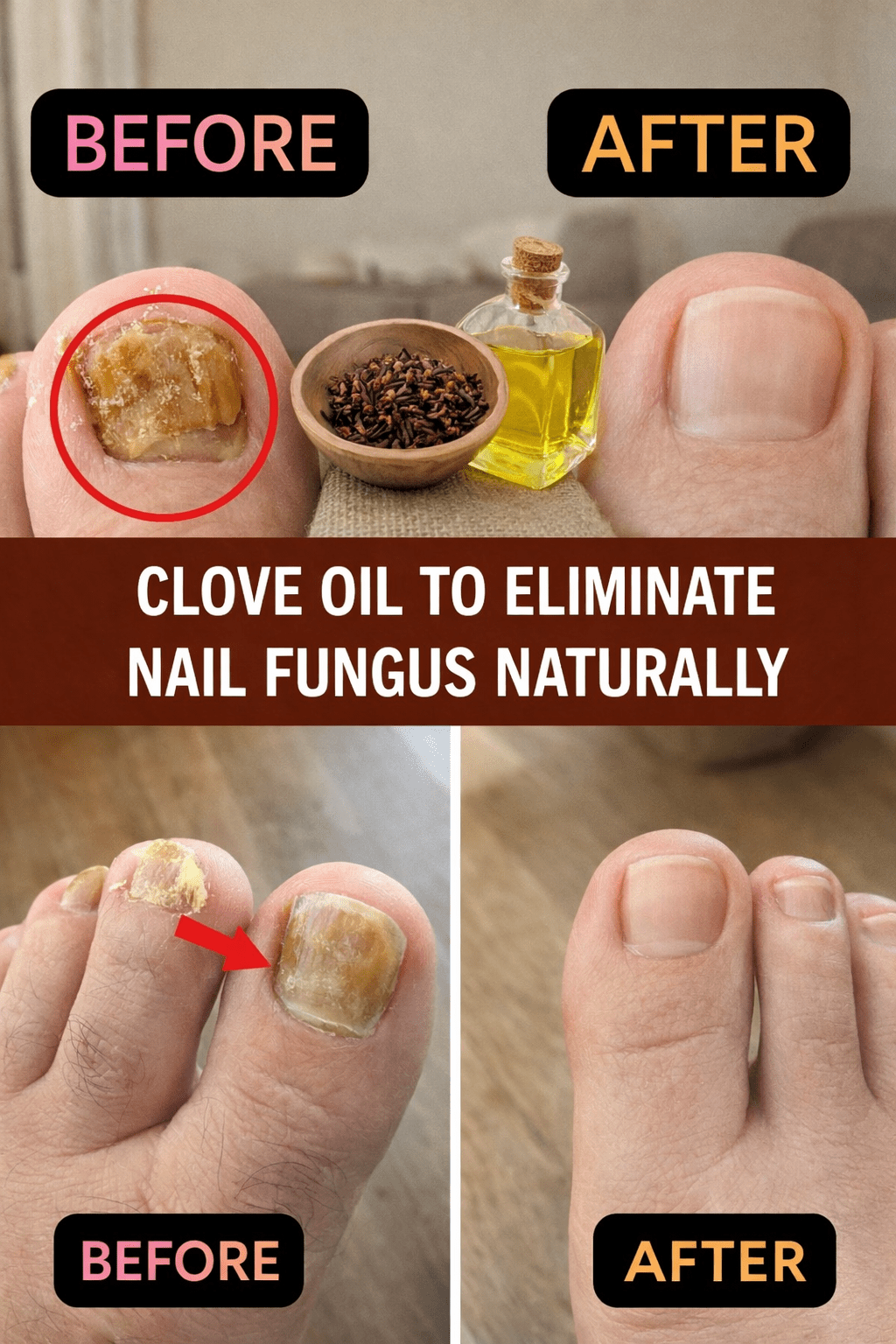
What Makes Cloves Interesting for Nail Health?
Cloves are the dried flower buds of the Syzygium aromaticum tree, long used in cooking and traditional remedies. Their key compound, eugenol, makes up a large portion of clove essential oil—often around 85%.
Research has explored eugenol’s antifungal properties in lab settings. Studies show it can disrupt fungal cell membranes and reduce ergosterol, a component fungi need for growth. For instance, in vitro tests on dermatophytes like Trichophyton rubrum (common in nail issues) found eugenol inhibits growth effectively.
One study noted clove oil’s strong activity against fungi causing skin and nail concerns, including Candida and Aspergillus species. Another highlighted its effects on dermatophytes, suggesting potential as a natural supportive option.
But that’s not all—cloves also have antibacterial qualities, which might help maintain a balanced environment around nails.
Exploring a Simple Clove-Infused Oil Recipe
One popular way people incorporate cloves is by making an infused oil at home. This allows the natural compounds to transfer into a carrier oil for easy application.
Ingredients You’ll Need
- 1 tablespoon whole cloves
- 1/2 cup carrier oil (like olive oil or coconut oil—both gentle and moisturizing)
- A small glass jar with a lid
Step-by-Step Preparation
- Gently warm the carrier oil in a saucepan over low heat—do not let it boil or smoke.
- Add the whole cloves to the warm oil.
- Remove from heat and let it steep for at least 24 hours in a cool, dark place.
- Strain out the cloves using a fine mesh or cheesecloth.
- Pour the infused oil into your clean glass jar and store in a cool spot.
This method is straightforward and uses items you likely have in your kitchen.
Here’s a quick comparison of common carrier oils:
| Carrier Oil | Benefits | Texture | Shelf Life |
|---|---|---|---|
| Olive Oil | Moisturizing, readily available | Medium | 6-12 months |
| Coconut Oil | Solid at room temp, soothing | Thick | Longer |
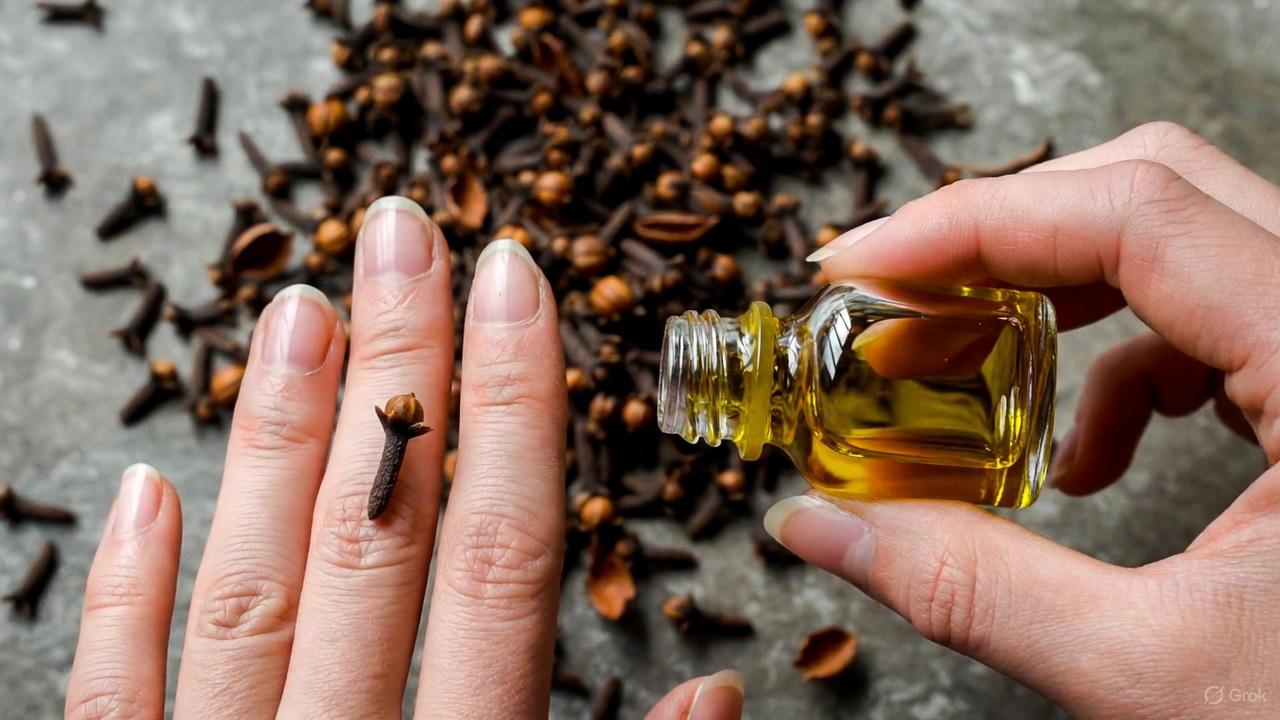
How People Typically Apply Clove-Infused Oil to Nails
Consistency matters when trying any home routine. Here’s a common approach:
- Start by washing and thoroughly drying your hands or feet—moisture can encourage fungal growth.
- Apply a few drops of the infused oil directly to the affected nail and surrounding skin.
- Gently massage it in for better absorption.
- Let it sit for at least 30 minutes (or overnight with cotton socks/gloves for feet/hands).
- Repeat twice daily, morning and evening.
Some enhance it by soaking feet in warm water first, adding a drop or two of clove essential oil if available.
The reality is, nails grow slowly—toenails especially—so any supportive routine requires patience, often several weeks to months to notice changes.
Tips to Maximize Your Nail Care Routine
To keep readers engaged, here are practical habits that complement any natural approach:
- Keep nails trimmed short and filed smoothly.
- Wear breathable footwear and moisture-wicking socks.
- Dry feet thoroughly after showers or swimming.
- Avoid sharing nail clippers or walking barefoot in public areas.
- Rotate shoes and let them air out.
But here’s the interesting part: combining cloves with other supportive ingredients, like tea tree oil (also studied for antifungal effects), might offer broader benefits—though always dilute properly.
Common Mistakes to Avoid
- Over-applying concentrated oils, which can irritate skin.
- Expecting overnight results—nail renewal takes time.
- Ignoring underlying issues like diabetes, which can complicate nail health.
What Does the Research Really Say?
While lab studies on eugenol are promising—showing inhibition against fungi like Trichophyton and Candida—human trials specifically for nail support are limited. Some small-scale observations note improvements in nail appearance with essential oils, but results vary.
Experts emphasize that natural options like clove-infused oil may support overall nail hygiene, especially for mild concerns. For persistent or severe cases, professional guidance is key.
This is the part worth scrolling for: many find that regular use not only targets the issue but also strengthens nails overall, thanks to the moisturizing carriers.
Conclusion: A Gentle Addition to Your Nail Care Habits
Incorporating cloves through a simple infused oil offers an accessible, natural way to support healthier-looking nails. With eugenol’s studied properties and easy preparation, it’s a routine many appreciate for its simplicity and kitchen-friendly ingredients.
Pair it with good hygiene, and you might notice gradual improvements in nail strength and appearance. It’s about consistent, gentle care—nothing miraculous, but potentially helpful.
Frequently Asked Questions
How long should I use clove-infused oil for nails?
Most people try it for at least 4-6 weeks consistently, but since nails grow slowly (toenails about 1mm per month), continue for several months while monitoring progress.
Can I use clove essential oil directly?
No—it’s highly concentrated. Always dilute in a carrier oil (1-2% ratio) to avoid irritation. Patch test on skin first.
Is this safe for everyone?
Generally well-tolerated when diluted, but avoid if pregnant, nursing, or on sensitive skin. Stop if redness occurs.
Disclaimer: This information is for educational purposes only and shares general knowledge about natural ingredients. It is not medical advice, and cloves or infused oils do not diagnose, treat, or prevent any condition. Consult a healthcare professional for personalized guidance, especially if you have ongoing nail concerns or health conditions. Results vary, and professional care is recommended for moderate to severe issues.


