
Many women experience changes in their bodies that feel confusing or worrisome, especially when it comes to menstrual patterns or pelvic discomfort. These shifts can cause anxiety and disrupt daily life, leaving you wondering if something more serious is going on. The good news is that most of these changes have benign explanations, but listening to your body early can make all the difference. In this article, we’ll explore 12 common signs that warrant attention, backed by insights from reputable sources like the American Cancer Society and Mayo Clinic. And toward the end, there’s one simple habit that many women overlook but could support better uterine health – keep reading to discover it.
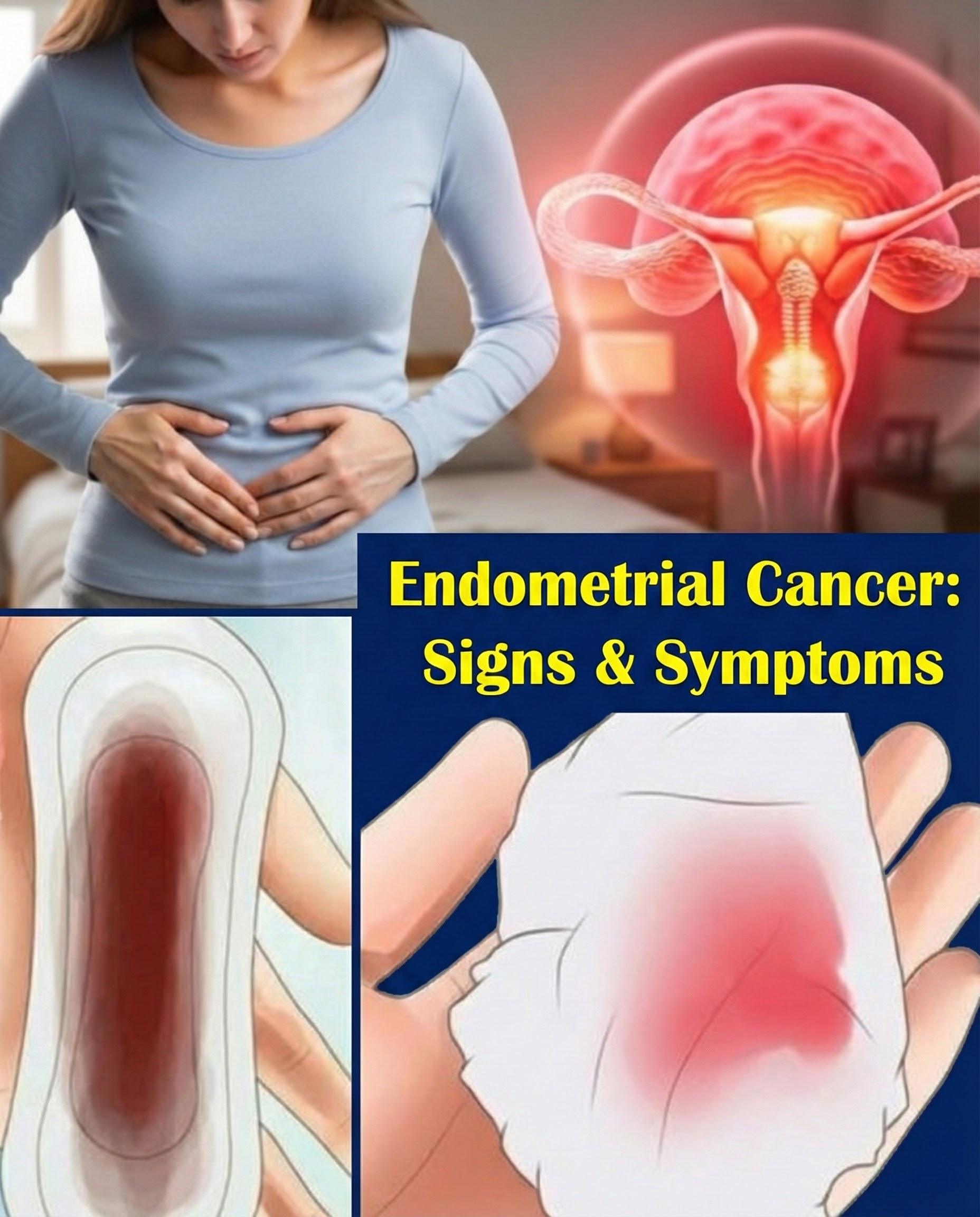
Understanding Changes in Uterine Health
Your uterus plays a central role in women’s health, and changes in its lining (the endometrium) can sometimes lead to noticeable symptoms. Research shows that early awareness of these changes helps many women address issues promptly. According to the American Cancer Society, certain signs are more common in conditions affecting the uterus, and paying attention to them supports overall well-being.
But that’s not all – ignoring subtle signals can sometimes allow minor issues to linger longer than necessary. The truth is, your body is incredibly good at communicating when it needs support.
The Most Common Sign: Unusual Vaginal Bleeding or Spotting
Abnormal vaginal bleeding tops the list of signs that women notice first. This can include bleeding between periods, heavier or longer periods than usual, or any bleeding after menopause.
Studies from Mayo Clinic indicate that this occurs in up to 90% of cases where uterine changes are involved. Even light spotting shouldn’t be dismissed, especially post-menopause.
Here’s why it matters: Blood-tinged discharge, even if painless, can signal shifts in the uterine lining.
If you’re pre-menopausal, track your cycle for irregularities. Post-menopause? Any bleeding is worth discussing with a doctor right away.
Unusual Vaginal Discharge That’s Not Typical for You
Beyond bleeding, changes in vaginal discharge can be another clue. This might appear watery, blood-streaked, or simply different in color, odor, or consistency.
The Centers for Disease Control and Prevention (CDC) notes that unusual discharge, especially if persistent, deserves evaluation.
This isn’t always serious – infections or hormonal shifts can cause it too – but consistency is key.
Many women feel embarrassed discussing this, yet it’s one of the most straightforward ways your body alerts you.
Pelvic Pain or Pressure That Lingers
A dull ache, pressure, or fullness in the lower abdomen or pelvis can feel like period cramps but without the timing.
According to WebMD, this sensation sometimes develops as changes in the uterus affect nearby tissues.
It might worsen during activity or feel constant.
Pair this with other signs? That’s when it’s especially important to note.
Research highlights that pelvic discomfort combined with bleeding often prompts earlier check-ups.

Pain During Intimacy or Everyday Activities
Discomfort during intercourse, urination, or bowel movements isn’t something to brush off.
Healthline reports this can stem from pressure on surrounding areas.
It might feel sharp or like ongoing soreness.
Many women adapt around it, but addressing it early brings relief.
This sign often overlaps with others, making patterns easier to spot.
Bloating or Feeling Full Quickly
Persistent bloating that doesn’t tie to diet, or feeling full after small meals, can surprise many.
The American Cancer Society links this to pelvic changes in some cases.
It might come with abdominal swelling.
Unlike temporary bloating, this tends to linger.
Tracking when it occurs helps during discussions with your healthcare provider.
Unexplained Changes in Weight or Appetite
Sudden weight loss without trying, or shifts in appetite, can accompany other signs.
Mayo Clinic mentions this in advanced scenarios but stresses it’s rare early on.
Still, combined with pelvic symptoms, it’s noteworthy.
Most causes are non-uterine, like stress or thyroid issues.
Yet noting it provides a fuller picture.
Lower Back Pain Without Clear Cause
Aching in the lower back that persists can connect to pelvic pressure.
WebMD describes how uterine changes sometimes refer pain there.
It might feel like muscle strain but without injury.
This is less common but worth mentioning if ongoing.
Pairing it with abdominal discomfort strengthens the case for evaluation.
Frequent Urination or Difficulty Emptying the Bladder
Needing to urinate more often, or feeling like you can’t fully empty, can signal pressure on the bladder.
Sources like Cleveland Clinic note this in uterine-related discussions.
It might disrupt sleep or daily routines.
Infections cause similar issues, so testing helps clarify.
This sign often motivates quicker doctor visits.
Fatigue That Feels Unusual
Ongoing tiredness, even with rest, can tie into multiple health shifts.
While not specific, it’s mentioned alongside other symptoms in patient stories from Mayo Clinic Connect.
Anemia from bleeding might contribute.
Addressing underlying causes often restores energy.
This is a gentle reminder from your body to tune in.
Leg Pain or Swelling in Advanced Cases
Weakness, pain, or swelling in the legs or lower body is rarer but noted in later stages.
The American Cancer Society includes this when changes spread.
It’s often one-sided or gradual.
Most women never experience this.
But awareness helps.

Less Common but Notable Signs
Here are a few more to round out the 12:
- Changes in bowel habits, like constipation without dietary reason.
- Anemia symptoms, such as paleness or shortness of breath, possibly from chronic bleeding.
These overlap with many conditions, underscoring why professional input matters.
Quick Reference: Common Signs at a Glance
- Unusual bleeding or spotting
- Abnormal vaginal discharge
- Pelvic pain or pressure
- Pain during intimacy
- Persistent bloating
- Unexplained weight changes
- Lower back ache
- Frequent urination
- Unusual fatigue
- Leg discomfort
- Bowel habit shifts
- Anemia-like symptoms
What Research Says About Risk Factors
Certain lifestyle and health factors influence uterine health. Obesity stands out as a major modifiable one, per the American Cancer Society.
Other factors include diabetes, high blood pressure, late menopause, or never having children.
Family history or conditions like PCOS also play roles.
The encouraging part? Many are manageable through daily choices.
Simple Steps You Can Take Today for Better Uterine Health
Ready for actionable tips? Start with these evidence-based habits:
- Maintain a healthy weight through balanced eating and movement – studies link it to lower risks.
- Aim for 150 minutes of moderate activity weekly, like walking or swimming.
- Eat plenty of fruits, vegetables, and whole grains while limiting processed foods.
- If smoking, seek support to quit – it benefits overall health.
- Schedule regular check-ups and report changes promptly.
- Consider discussing birth control history or hormone use with your doctor.
These aren’t guarantees, but research from NCI shows they support prevention.
Habits That Support Uterine Wellness
| Habit | Why It Helps | How to Start |
|---|---|---|
| Regular exercise | Helps manage weight and hormones | 30 minutes most days |
| Plant-rich diet | Reduces inflammation | Add one extra serving daily |
| Weight management | Lowers estrogen-related risks | Track portions mindfully |
| Routine pelvic exams | Catches changes early | Annual or as recommended |
| Hydration and fiber | Supports digestive and pelvic health | 8 glasses water + high-fiber foods |
And here’s that surprising habit many overlook: Daily physical activity, even gentle, can significantly support hormone balance and reduce risks, according to multiple studies.
When to Reach Out to Your Healthcare Provider
Any new or persistent sign deserves conversation. Especially:
- Bleeding after menopause – see a doctor promptly, per CDC guidelines.
- Heavy or irregular bleeding pre-menopause.
- Multiple signs together.
Your provider might suggest ultrasound, biopsy, or other tests for clarity.
Early chats often lead to simple explanations and peace of mind.
Conclusion
Paying attention to your body’s signals empowers you to take charge of your health. These 12 signs – from unusual bleeding to pelvic pressure – are your uterus’s way of communicating. While most have non-serious causes, addressing them supports long-term wellness. Incorporate healthy habits, stay aware, and partner with your doctor for personalized guidance.
Frequently Asked Questions
What should I do if I notice spotting after menopause?
Any vaginal bleeding after menopause warrants a prompt visit to your healthcare provider for evaluation, as recommended by organizations like the American Cancer Society.
Are these signs always serious?
No, many stem from benign causes like hormonal shifts or polyps, but professional assessment provides clarity.
How can lifestyle changes help?
Maintaining a healthy weight, staying active, and eating well support overall uterine health, based on research from sources like Mayo Clinic.
Disclaimer: This article is for informational purposes only and is not a substitute for professional medical advice, diagnosis, or treatment. Always consult your healthcare provider about any symptoms or health concerns you may have. Early detection through medical evaluation is key to addressing any potential issues.


