
Many seniors over 70 notice their sleep isn’t as deep or refreshing as it used to be, leading to tired mornings and unsteady moments during the night. These changes can make everyday activities feel more challenging, and nighttime trips to the bathroom or sudden movements sometimes increase the risk of slips or falls. The good news is that small adjustments to daily routines can often make a real difference in how rested and steady you feel. Keep reading to discover some practical insights that might help you enjoy more peaceful nights.

Why Sleep Patterns Often Change After Age 70
As we age, natural shifts in our body’s internal clock and hormone levels can make sleep lighter and more fragmented. Research shows that many adults over 70 experience these changes, which can lead to more frequent awakenings or difficulty falling back asleep.
This isn’t just about feeling groggy the next day. Studies link poorer sleep quality in older adults to daytime fatigue, reduced balance, and higher chances of nighttime incidents. It’s common to brush these off as a normal part of getting older, but understanding the causes can open the door to helpful changes.
Here’s the interesting part: Many everyday evening habits play a bigger role than we realize. Let’s explore 10 common ones and simple ways to adjust them.
Habit #1: Using Electronic Devices Close to Bedtime
That quick check of emails or news on a phone or tablet before bed is something many people do. However, the blue light from screens can interfere with the body’s natural production of melatonin, the hormone that signals it’s time to sleep.
Studies indicate that exposure to bright screens in the evening may delay sleep onset and reduce overall sleep depth. Over time, this can leave you feeling less refreshed in the morning.
A simple shift: Try keeping devices out of the bedroom or switching to night mode at least an hour before bed. Many people notice deeper rest after making this change.
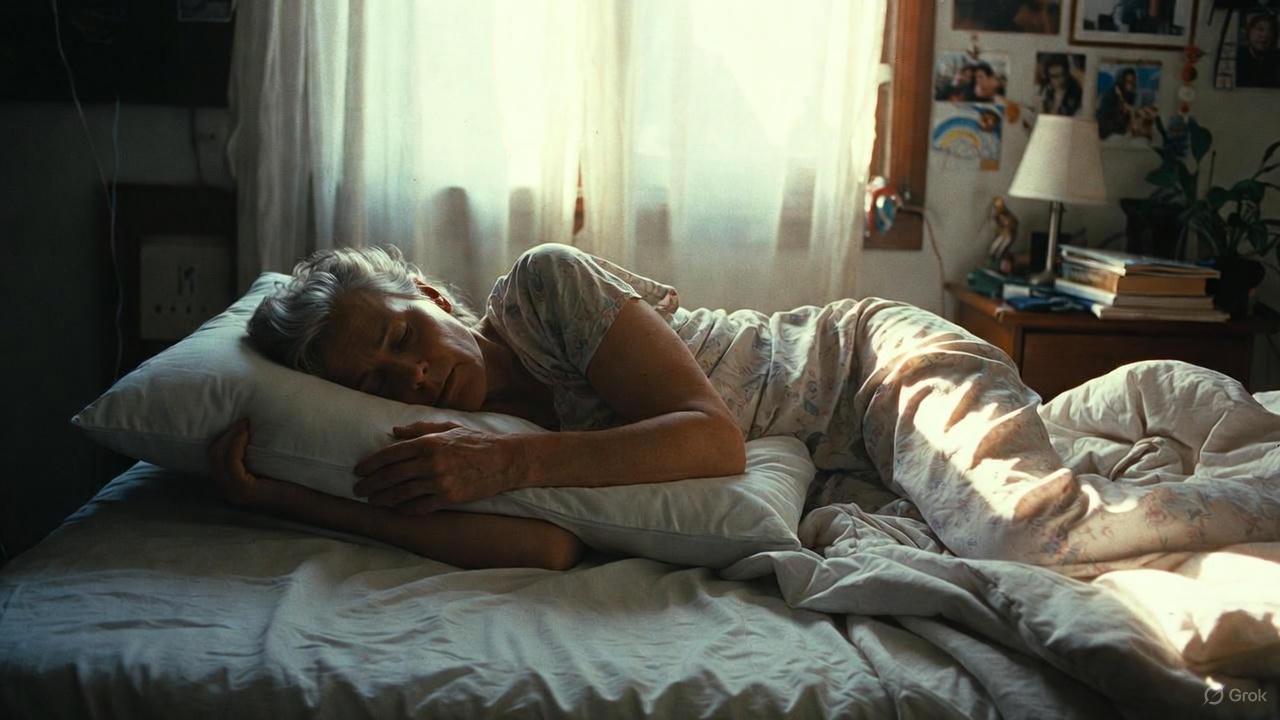
Habit #2: Getting Up Too Quickly in the Middle of the Night
When nature calls at night, it’s tempting to jump out of bed right away. But standing up suddenly can cause a temporary drop in blood pressure, leading to dizziness or unsteadiness.
This is more common in older adults, and research connects it to a higher risk of falls during nighttime hours. Taking it slow can make a big difference.
Next time, sit on the edge of the bed for a few moments before standing. Adding soft lighting along the path to the bathroom helps too.
Habit #3: Taking Certain Medications Right Before Bed
Some common medications, like those for sleep or anxiety, can cause next-day grogginess or affect balance. Timing matters more than we might think.
Evidence suggests that certain sedatives taken late can contribute to morning unsteadiness in seniors. Talking with your doctor about the best timing could help.
A quick review of your evening routine with a healthcare provider might reveal easy adjustments for clearer mornings.
Habit #4: Drinking Large Amounts of Fluids in the Evening
Staying hydrated is important, but large glasses of water or tea close to bedtime can lead to multiple bathroom trips overnight.
These interruptions fragment sleep, and getting up frequently in the dark raises the chance of missteps. Research links frequent nighttime urination to higher fall risks in older adults.
Try shifting most fluid intake to earlier in the day and limiting evening drinks after dinner. Many find this reduces wakes and improves rest.
Habit #5: Eating Heavy or Large Meals Late at Night
A big dinner or late-night snack can keep your digestive system active when you want to wind down. This may cause discomfort or reflux that disrupts sleep.
Studies show that lighter evening meals support better sleep quality. Keeping dinner earlier and choosing easier-to-digest foods often helps.
But that’s not all—room temperature plays a role too.
Habit #6: Keeping the Bedroom Too Warm
A room that’s overly warm can make it harder to fall into deep sleep stages. Our bodies naturally cool down at night to promote rest.
Cooler temperatures, around 60-67°F (15-19°C), are often recommended based on sleep research. A slight adjustment to your thermostat might lead to more refreshing nights.
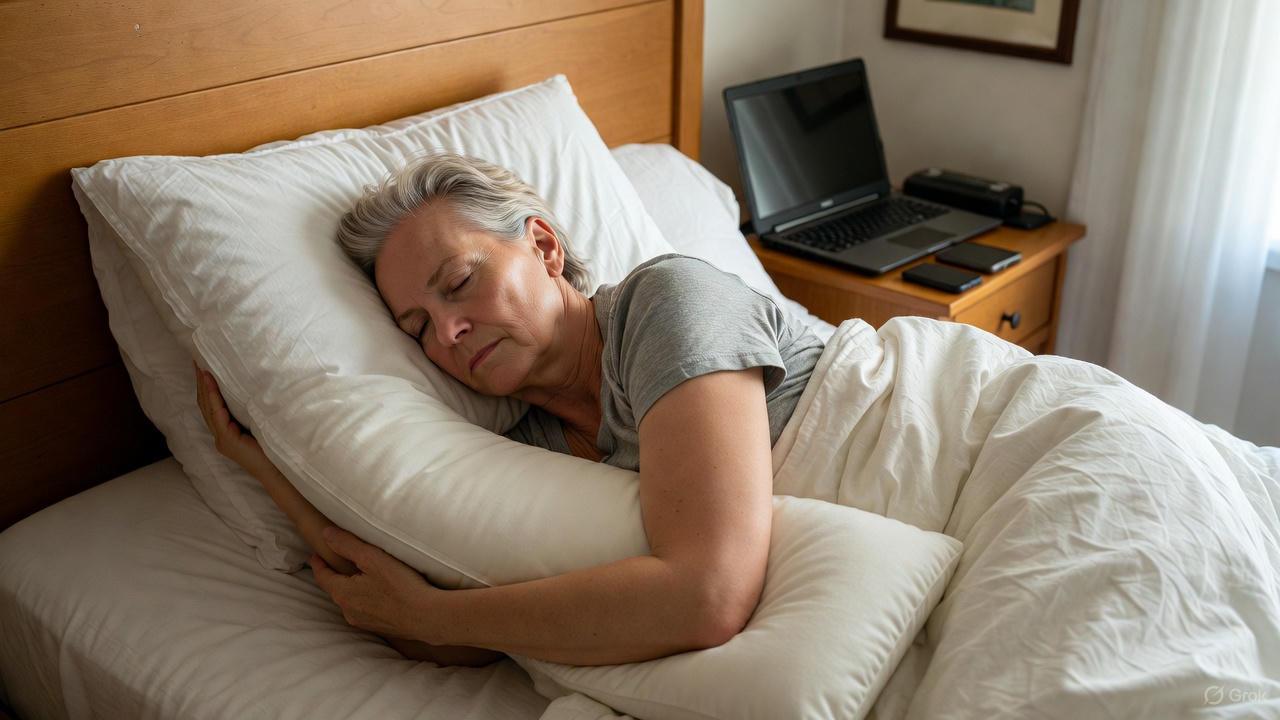
Habit #7: Having Bright Lights On in the Evening
Exposure to bright household lights after sunset can signal to your body that it’s still daytime. This delays the natural wind-down process.
Dimming lights in the evening supports better melatonin release. Many seniors report falling asleep faster with this simple habit.
Habit #8: Sleeping Primarily on Your Back
Back sleeping can sometimes contribute to louder snoring or brief breathing pauses, which fragment rest.
Side sleeping often opens airways more naturally. A body pillow can make the switch comfortable and sustainable.
Habit #9: Ignoring Persistent Snoring or Breathing Changes
Loud snoring or noticed pauses in breathing during sleep could point to something worth checking. These can strain overall health over time.
Research connects untreated sleep apnea to various concerns in older adults. A conversation with your doctor can provide clarity and options.
Habit #10: Inconsistent Bedtime and Wake-Up Schedules
Going to bed and rising at wildly different times disrupts your body’s rhythm. Consistency helps reinforce healthy sleep patterns.
Even on weekends, aiming for similar timings supports steadier rest. Small routines signal to your body when it’s time to sleep.
Practical Ways to Build Better Nighttime Routines
Here are some actionable steps you can start tonight:
- Move devices to another room or charge them outside the bedroom.
- Place a glass of water on your nightstand to avoid late trips to the kitchen.
- Use low-wattage nightlights or motion-sensor lights for safe paths.
- Finish larger meals at least 3 hours before bed.
- Set a consistent bedtime, even if it’s just within an hour window.
Many people see improvements within a few weeks of trying 2-3 changes.
Quick Comparison of Common Habits and Alternatives
| Common Habit | Potential Impact | Helpful Alternative |
|---|---|---|
| Screens near bed | Delayed sleep onset | Device-free bedroom hour |
| Quick rising at night | Temporary dizziness | Sit up slowly first |
| Late heavy meals | Digestive discomfort | Light early dinner |
| Excess evening fluids | Frequent bathroom trips | Limit after 7 PM |
| Bright evening lights | Suppressed melatonin | Dim lights after sunset |
These swaps are straightforward but can add up to noticeable differences.
Final Thoughts on Supporting Restful Nights
Small, consistent adjustments to evening habits can often lead to deeper sleep and more energized days. Start with one or two that resonate most with your routine—you might be surprised how quickly things improve.
Remember, everyone’s needs are unique. Tracking how you feel after changes helps refine what works best.
Frequently Asked Questions
What temperature is best for a senior’s bedroom?
Many sleep experts suggest keeping it cooler, around 60-67°F (15-19°C), to support natural body cooling during rest.
How can I reduce nighttime bathroom trips?
Try limiting fluids in the evening, especially after dinner, and emptying your bladder right before bed.
Is it normal for sleep to change after 70?
Yes, many people experience lighter or more fragmented sleep with age, but simple routine tweaks can often help.
This information is for educational purposes only and is not medical advice. Always consult your healthcare provider for personalized guidance, especially regarding medications or breathing concerns.


