
Many adults over 40 experience ongoing sciatica discomfort that affects daily activities like walking or sitting for long periods. This can feel frustrating when common approaches don’t provide lasting relief, leaving people searching for underlying factors. Research suggests that certain nutrient deficiencies might play a role in nerve health and discomfort levels. In this article, we’ll explore some key vitamins and minerals linked to sciatic nerve support, backed by studies, and share practical ways to address potential shortfalls safely.
But here’s something interesting: combining specific nutrients could offer better support than focusing on just one — and there’s a simple daily habit that might make a bigger difference than you think. Keep reading to discover it.

Understanding Sciatica and Its Common Challenges
Sciatica refers to discomfort that radiates along the sciatic nerve, often starting in the lower back and traveling down one leg. It can feel like sharpness, burning, or tingling, making everyday tasks harder.
As we age past 40, the body absorbs some nutrients less efficiently, and inflammation can increase naturally. Studies, including one published in Pain Medicine in 2024, have noted that many people with persistent sciatica have lower levels of certain vitamins.
This doesn’t mean deficiencies cause sciatica directly, but maintaining adequate nutrient levels supports overall nerve and muscle function. The good news? Simple dietary adjustments or supplements, under medical guidance, might help improve how you feel.
Here’s the thing: many people try stretches or pain relievers without checking nutrient status first. That could be missing a key piece of the puzzle.
The Role of Vitamin D in Nerve Health
Vitamin D is essential for bone health, but it also influences nerves and inflammation pathways.
A 2024 meta-analysis in the Spine Journal reviewed patients with low vitamin D levels (below 20 ng/mL) and found that raising levels to above 40 ng/mL was associated with notable improvements in comfort and nerve function for many participants.
How does it work? Vitamin D helps regulate inflammation and supports the protective covering around nerves, called myelin.
If you’re indoors a lot or live in areas with limited sunlight, levels can dip without you noticing. A blood test is the best way to check.
But that’s not all — vitamin D works even better when paired with other nutrients.
Practical Ways to Support Vitamin D Levels
Consider these steps after consulting your doctor:
Get 10-20 minutes of midday sunlight exposure most days, without sunscreen initially (but avoid burning).
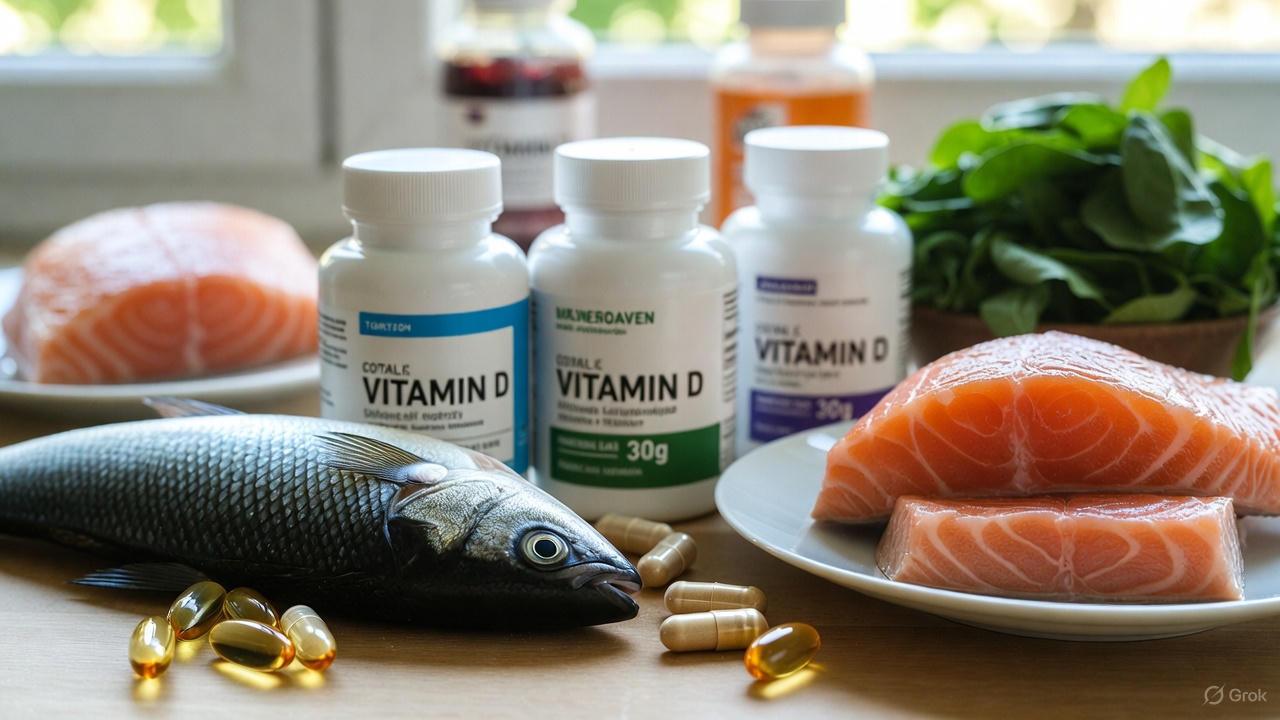
Include fatty fish like salmon, fortified milk, or egg yolks in your diet.
If levels are low, your healthcare provider might suggest a supplement, often 1,000-5,000 IU daily, taken with a meal containing fat for better absorption.
Always start with a test to avoid overdoing it.
Why Magnesium Matters for Muscle and Nerve Relaxation
Magnesium helps muscles relax and supports nerve signaling. Low levels are common due to diet, stress, or certain medications.
A 2023 study showed that supplementing with 300-400 mg of magnesium daily was linked to reduced muscle tension and discomfort in participants with nerve-related issues.
Many adults don’t get enough from food alone. Sources include leafy greens, nuts, seeds, and whole grains.
The interesting part? Magnesium also helps activate vitamin D in the body, creating a helpful synergy.
Easy Magnesium-Boosting Tips
Try adding these to your routine:
Snack on almonds or pumpkin seeds.
Cook with spinach or avocado.
Consider magnesium glycinate supplement in the evening — it’s gentle on the stomach and may aid sleep.
Pair it with dinner for steady absorption.
Vitamin B12: Supporting Nerve Insulation and Energy
Vitamin B12 is crucial for maintaining myelin, the sheath that protects nerves and ensures smooth signal transmission.
Deficiency can lead to tingling or numbness, especially in older adults or those with absorption issues (like from medications or diet).
Research in Neurology (2024) indicated that correcting B12 deficiency improved nerve-related symptoms in a majority of studied patients within months.
Food sources include meat, fish, dairy, and fortified cereals. Vegetarians or vegans might need extra attention.
Here’s what stands out: sublingual (under-the-tongue) forms or injections can bypass absorption problems.
Nutrient Comparison: Common Sources vs Supplements
| Nutrient | Best Food Sources | Supplement Form Often Recommended | Key Benefit Noted in Studies |
|---|---|---|---|
| Vitamin D | Fatty fish, fortified foods | D3 with fat-containing meal | Supports inflammation regulation |
| Magnesium | Nuts, seeds, dark leafy greens | Glycinate for better tolerance | Aids muscle relaxation |
| Vitamin B12 | Animal products, fortified items | Methylcobalamin sublingual | Helps maintain nerve insulation |
This table highlights natural ways first, with supplements as a backup.

Additional Nutrients That May Support Overall Comfort
Beyond the big three, other nutrients show promise in research for nerve and joint health:
Omega-3 fatty acids (from fish oil) — linked to reduced inflammation.
Turmeric (with black pepper) — may enhance anti-inflammatory effects.
Alpha-lipoic acid — studied for nerve support.
These aren’t magic fixes, but including them thoughtfully could contribute to better well-being.
The real game-changer? A 2024 study in the Journal of Orthopaedic Research suggested that combining vitamin D, magnesium, and K2 accelerated positive outcomes more than individual use.
Your Step-by-Step 30-Day Plan to Explore Nutrient Support
Always discuss with your doctor first and get blood tests. Here’s a general approach many find helpful:
Week 1: Test vitamin D, B12, and magnesium levels. Start with sunlight exposure and magnesium-rich foods.
Week 2: Add a doctor-approved vitamin D supplement if needed, taken with healthy fats.
Week 3: Incorporate B12 sources or supplement, plus omega-3s from food or fish oil.
Week 4: Maintain the habits, track how you feel, and follow up with your provider.
Bonus tip: Take supplements consistently, and pair vitamin D with olive oil or avocado for optimal uptake.
Small changes add up over time.
Final Thoughts: Taking Control of Your Comfort
Supporting nutrient levels through diet, sunlight, and guided supplementation might make a meaningful difference in managing sciatica discomfort for many people. Studies continue to highlight the importance of vitamin D, magnesium, and B12 in nerve health.
Start by talking to your healthcare provider about testing — it’s a simple step that could provide valuable insights.
You’re taking a positive action just by learning more. Keep prioritizing your health.
Frequently Asked Questions
1. How do I know if I have a vitamin deficiency related to sciatica?
The only accurate way is through a blood test ordered by your doctor. Symptoms like persistent tingling can prompt a check, but tests confirm levels.
2. Can sunlight really help with vitamin D for nerve support?
Yes, moderate sun exposure helps the body produce vitamin D naturally. Aim for 10-20 minutes on arms and face, depending on skin type and location, but use protection to avoid burns.
3. Are there foods that naturally boost these nutrients together?
Meals like salmon (vitamin D and omega-3s) with spinach salad (magnesium) and eggs (B12) combine several beneficial elements.
Disclaimer: This article is for informational purposes only and is not medical advice. Always consult your healthcare provider before making changes to your diet, starting supplements, or addressing health concerns. Individual results vary, and nutrient needs differ by person.


