
Many people over 50 notice odd sensations in their feet, like tingling or numbness, and brush them off as part of getting older. These feelings can become more frequent and disruptive, making simple activities like walking or sleeping uncomfortable. The good news is that paying attention early can make a big difference. Keep reading to discover what these signs might mean and practical steps you can take right away.
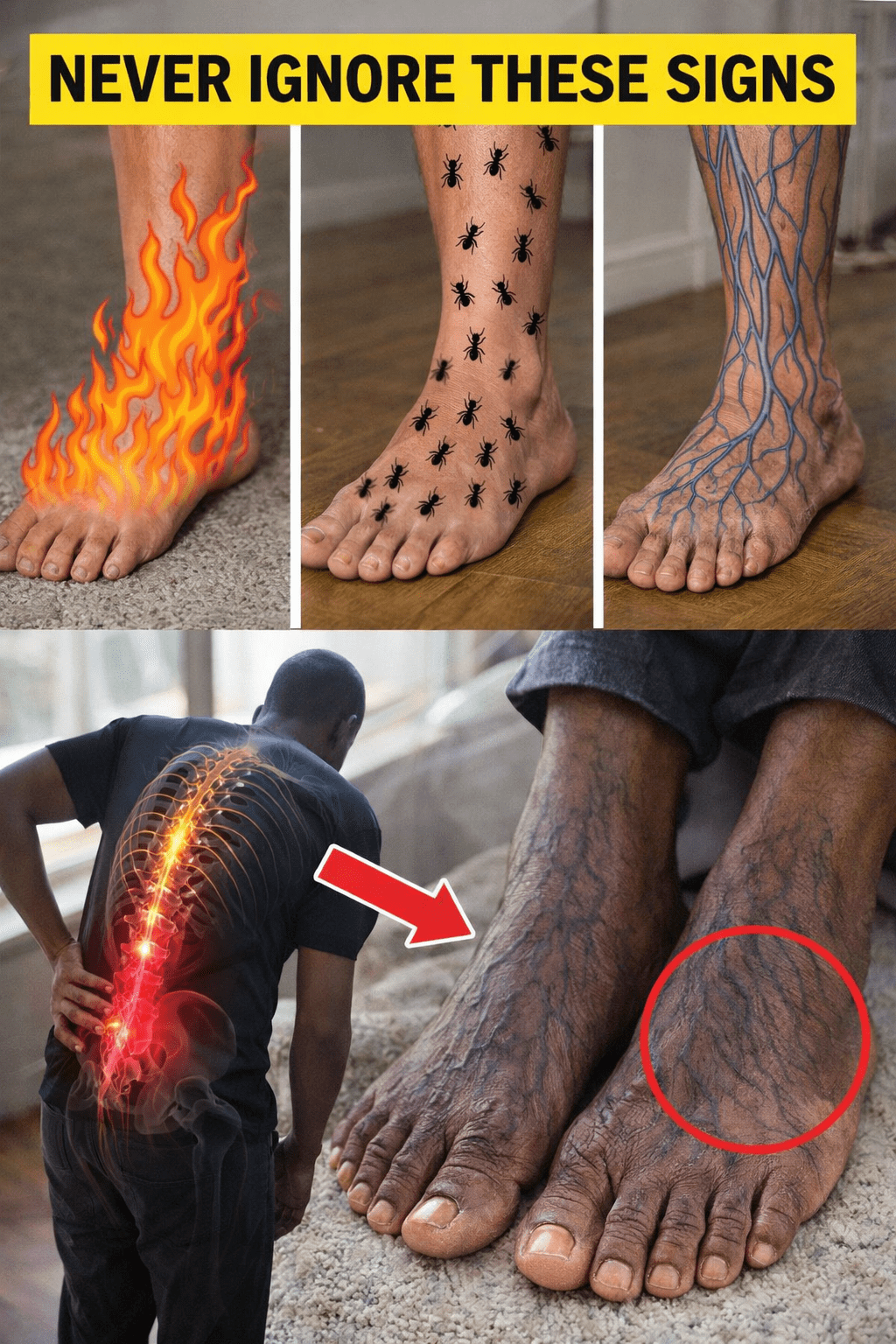
Why Foot Nerve Issues Become More Common After 50
As we age, our nerves can become more vulnerable to everyday factors. Longer nerves, like those reaching the feet, often show changes first. Research shows that conditions like high blood sugar, vitamin shortages, or certain medications can play a role in these shifts.
Studies from reliable sources, including the Mayo Clinic, note that millions of adults experience peripheral neuropathy. It affects both people with diabetes and those without. The key is noticing patterns early, before they impact daily life.
But that’s not the whole story…
Understanding Peripheral Neuropathy in Simple Terms
Peripheral neuropathy happens when nerves outside the brain and spinal cord send mixed or weakened signals. This can lead to unusual feelings in the feet and toes.
Common contributors include:
- Blood sugar fluctuations over time
- Low levels of vitamins like B12
- Exposure to certain toxins or medications
- Inflammation from various causes
Many people feel frustrated when these sensations linger. The encouraging part? Lifestyle habits and medical check-ins can help manage them effectively.
Here’s the interesting part: certain signs appear quietly at first.
The 8 Key Signs to Watch For in Your Feet
Recognizing these common sensations can help you stay informed about your nerve health. Here are eight signs often reported by people over 50:
- Tingling or pins-and-needles feelings
A persistent buzzing or prickling in the toes that doesn’t go away quickly. This is one of the earliest sensations many notice. - Areas of numbness
Parts of the foot feel dull or less responsive to touch, like wearing thick socks even when barefoot. - Burning sensations
A warm or hot feeling, especially at night, that can make rest difficult. - Heightened sensitivity to touch
Light contact, like bedsheets, feels uncomfortable or painful. - Sharp, sudden pains
Quick jabs or electric-like shocks that come and go unexpectedly. - Muscle weakness or cramps
Difficulty lifting the foot or frequent tightening in the muscles. - Balance challenges
Feeling unsteady, especially in low light or on uneven surfaces. - Difficulty sensing temperature
Trouble telling if something is hot or cold against the skin.
Research indicates that these sensations affect a significant number of adults. For example, studies show that early awareness leads to better outcomes.
Which of these sounds familiar to you?
Real-Life Experiences That Highlight the Importance of Awareness
Many people share stories of noticing these signs gradually. One person described starting with mild tingling after long days, thinking it was just fatigue. Over time, it became more noticeable.
Another individual mentioned numbness leading to unnoticed small injuries. Daily checks made a positive difference once they started paying attention.
These examples remind us how common these experiences are. The common thread? Taking small steps early helped them feel more in control.
There’s more to explore about daily habits that support nerve health…
Everyday Habits That May Support Healthy Nerves in Your Feet
Simple routines can go a long way. Here are practical steps you can start today:
- Inspect your feet daily
Take a moment to look for any changes in skin, nails, or sensation. Use a mirror if needed. - Keep blood sugar steady
Enjoy balanced meals with whole foods, proteins, and vegetables. - Stay active gently
Short walks or foot exercises improve circulation. Aim for 10-15 minutes most days. - Focus on key nutrients
Foods rich in B vitamins, like leafy greens, eggs, and lean meats, support nerve function. - Wear comfortable shoes
Choose supportive footwear that fits well to reduce pressure.
Research supports these habits for overall wellness. For instance, studies link regular movement to better foot sensation.
Comparison Table: Common Approaches and Their Focus
| Habit | Main Benefit | How to Start |
|---|---|---|
| Daily foot checks | Early detection of changes | Evening routine, 2 minutes |
| Balanced nutrition | Supports nerve repair nutrients | Add one new food per week |
| Gentle exercise | Improves blood flow | 10-minute walk after meals |
| Proper footwear | Reduces daily pressure | Check fit during shopping |
These small changes add up over time.
Ready for more ways to stay proactive?
When to Talk to Your Healthcare Provider
If any of these signs persist or worsen, scheduling a check-up is a smart move. Doctors can perform simple tests, like checking sensation with a soft tool.
Early conversations often lead to helpful guidance tailored to you. Many people feel relieved after getting clear information.
The bottom line: Listening to your body empowers you.
Putting It All Together: Your Next Steps for Foot Health
You’ve now learned about eight common signs, why they matter after 50, and practical habits to support your nerves. Starting with one or two changes can build momentum.
Remember, awareness is the first step toward feeling more comfortable and confident on your feet.
Frequently Asked Questions
What are the most common early signs of nerve issues in feet?
Tingling, numbness, and burning sensations top the list for many people over 50.
Can lifestyle changes help with foot nerve sensations?
Yes, habits like regular movement, balanced eating, and daily checks often make a noticeable difference.
How do I know if I should see a doctor about my feet?
If sensations interfere with daily activities or don’t improve, it’s worth discussing with a healthcare professional.
This article is for informational purposes only and is not a substitute for professional medical advice. Always consult your healthcare provider for personalized guidance, especially if you have concerns about your symptoms.


