
Many adults notice subtle changes in energy levels or overall well-being as they age. Factors like daily habits and food choices play a role in how the body manages everyday demands, including the kidneys’ important job of filtering waste. Simple additions to meals, such as certain whole grains, may offer nutritional support that aligns with a balanced lifestyle.
Research suggests that including whole grains like barley, oats, and quinoa in your diet could contribute to overall health benefits, including aspects related to kidney function. Keep reading to explore practical ways to add these grains and what studies show about their potential role.

Why Whole Grains Matter for Daily Wellness
Whole grains provide fiber, vitamins, minerals, and antioxidants that refined grains often lack. These nutrients support digestion, heart health, and steady energy throughout the day.
For kidney health, emerging research highlights the gut-kidney connection. Fiber from whole grains feeds beneficial gut bacteria, which may help reduce inflammation and support waste elimination.
Studies, including those using NHANES data, indicate that higher whole grain intake is linked to better overall dietary patterns and lower risks of certain chronic conditions. But that’s just the start.
Barley: A Fiber-Rich Option for Everyday Meals
Barley stands out for its soluble fiber, particularly beta-glucan. This type of fiber forms a gel-like substance in the digestive tract, which may help with cholesterol management and blood sugar stability.
Animal studies have shown that barley beta-glucans can reduce inflammation and protect against kidney injury in models of chronic kidney disease. Human observations also note potential benefits for hydration and detoxification through its diuretic properties.
Many people enjoy barley in soups or as a rice substitute. Its nutty flavor adds variety without complexity.
Here are some easy ways to include barley:
- Add ½ cup cooked pearl barley to vegetable soups for texture.
- Mix into salads with fresh herbs and vegetables.
- Use barley flour in baking for added fiber.
Research points to barley’s role in supporting gut health, which indirectly benefits the kidneys through reduced systemic inflammation.
Oats: Simple and Versatile for Morning Routines
Oats contain avenanthramides, unique antioxidants that may help combat oxidative stress. Their beta-glucan fiber supports heart health and steady blood glucose levels.
A randomized trial in patients with chronic kidney disease found that daily oat intake improved certain biomarkers, such as serum albumin and potassium levels. Animal research further suggests oats may slow kidney disease progression by modulating gut microbiota.
Oats are easy to prepare and fit into busy schedules.
Practical tips to get started:
- Prepare overnight oats with low-potassium fruits like berries.
- Choose steel-cut or rolled oats for maximum nutrients.
- Aim for ½ cup cooked oats as a base for breakfast bowls.
Studies emphasize oats’ fiber for promoting regularity, which aids in natural waste clearance.
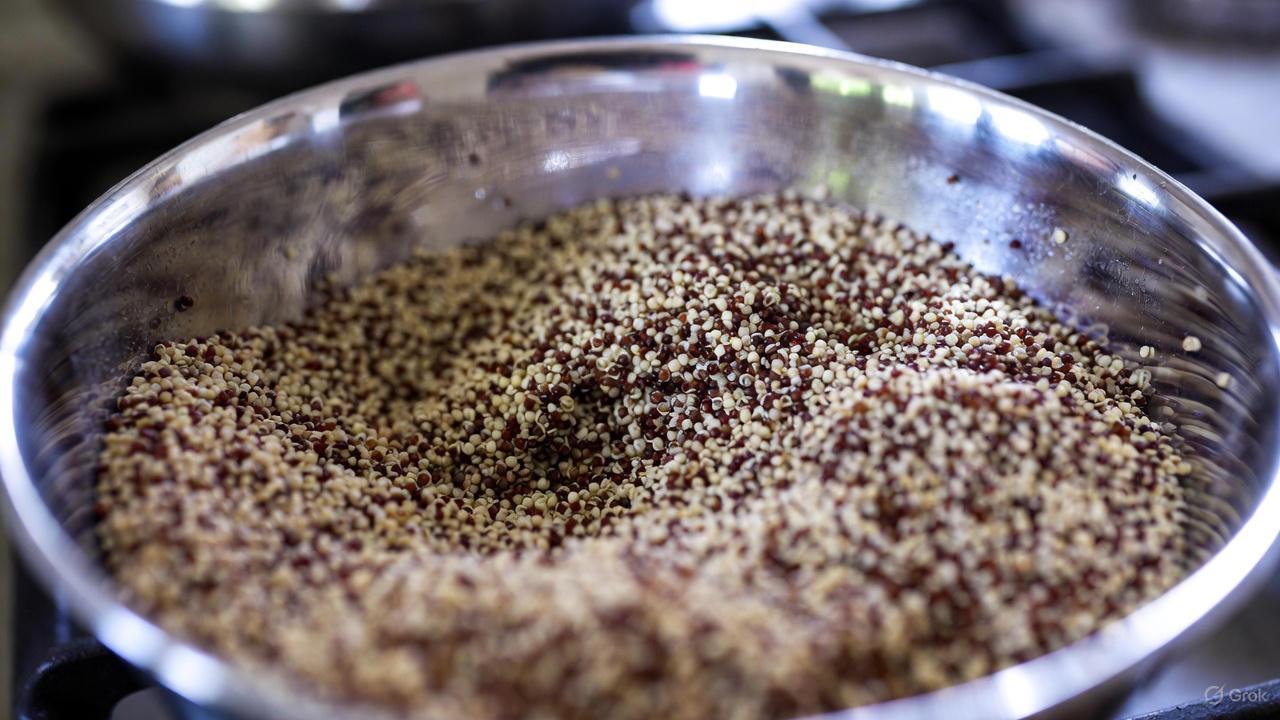
Quinoa: A Nutrient-Dense Grain for Balanced Plates
Quinoa offers complete protein and is naturally lower in certain minerals compared to some other grains, making it a flexible choice. It’s rich in magnesium, which supports blood pressure management.
Population studies link higher whole grain intake, including quinoa, to better metabolic health. Its fiber and protein combination helps with satiety and stable energy.
Quinoa cooks quickly and works well in many dishes.
Simple incorporation ideas:
- Use ¼ to ½ cup cooked quinoa in grain bowls with greens.
- Substitute for rice in stir-fries or stuffed vegetables.
- Rinse thoroughly before cooking to remove natural saponins.
Research on plant-based diets highlights quinoa’s role in diverse nutrition without excess mineral load for some individuals.
Potential Combined Benefits of These Grains
Combining barley, oats, and quinoa provides a range of fibers and nutrients. This variety supports microbiome diversity, which studies associate with reduced inflammation and better kidney markers.
Key areas where research shows promise:
- Fiber for digestive regularity and toxin elimination.
- Antioxidants to counter daily oxidative stress.
- Support for blood sugar and pressure stability, easing kidney workload.
- Overall anti-inflammatory effects from synergistic nutrients.
A table for quick reference on suggested servings:
| Grain | Key Nutrient Highlight | Suggested Daily Serving |
|---|---|---|
| Barley | Beta-glucan fiber | ½ cup cooked |
| Oats | Avenanthramides and fiber | ½ cup cooked |
| Quinoa | Magnesium and complete protein | ¼–½ cup cooked |
Rotate these grains throughout the week for balanced intake.
Actionable Ways to Add These Grains Safely
Start small to build habits. Begin with one grain per day and monitor how you feel.
Step-by-step guide:
- Choose whole forms over processed for maximum benefits.
- Pair with plenty of water to enhance fiber effects.
- Combine with vegetables and lean proteins for complete meals.
- Track portions to align with your personal needs.
- Experiment with recipes like barley risotto or quinoa salads.
Consistency matters more than perfection. Many find these additions improve daily vitality over time.
Frequently Asked Questions
Can these grains fit into a kidney-friendly eating pattern?
Yes, in moderation and as part of a varied diet. Research supports whole grains for potential benefits, but individual needs vary.
How much should I start with?
Begin with the suggested servings above and adjust based on your healthcare provider’s advice.
Are there any precautions?
If you have advanced kidney concerns or mineral restrictions, consult a professional before increasing intake.
Final Thoughts
Incorporating barley, oats, and quinoa offers a straightforward way to enhance nutritional variety. Studies continue to explore their supportive role in wellness, particularly through fiber and antioxidants.
Small dietary tweaks can add up to meaningful differences in how you feel day to day. Pair these habits with hydration and movement for best results.
This article is for informational purposes only and is not a substitute for professional medical advice. Always consult your healthcare provider before making dietary changes, especially if you have kidney concerns or other health conditions. Grains may interact with certain medications or affect mineral balances.


