
Many adults notice changes in energy levels or occasional fatigue as they age, often linked to everyday factors like diet and lifestyle. These subtle shifts can feel frustrating, especially when trying to stay active and enjoy daily routines. The good news? Emerging research points to natural dietary choices that may help support cardiovascular health in meaningful ways.
But here’s the intriguing part: what if a refreshing, easy-to-make drink could play a role in promoting better blood flow? Keep reading to discover the science behind beet and lemon juice—and a practical tip at the end that ties it all together.

Why Focus on Blood Pressure and Circulation as We Age?
Maintaining healthy blood pressure and good circulation becomes more important over time. Factors like stress, diet, and reduced physical activity can influence how our blood vessels function.
Research shows that natural nitrates from certain foods may help blood vessels relax, supporting normal blood flow. Studies, including meta-analyses published in journals like Hypertension and Frontiers in Nutrition, suggest that dietary nitrates can contribute to modest reductions in systolic blood pressure—typically around 4-5 mmHg in various populations.
This isn’t about quick fixes, but rather consistent habits that align with a balanced lifestyle.
The Role of Nitrates in Beets: What Studies Suggest
Beets are naturally rich in inorganic nitrates, which the body converts to nitric oxide—a compound that helps blood vessels dilate.
Multiple systematic reviews, such as one analyzing randomized trials, indicate that beetroot juice supplementation may support lower blood pressure levels, particularly systolic readings. For instance:
- A meta-analysis found an average reduction of about 3.55 mmHg in systolic pressure across studies.
- Another review focused on hypertensive individuals noted effects lasting up to several weeks with regular intake.
These findings come from controlled trials, often involving 200-500 ml of beetroot juice daily.
But that’s not all—nitric oxide may also promote better endothelial function, the inner lining of blood vessels that plays a key role in circulation.
Adding Lemon: Extra Nutrients for Overall Wellness
Lemon brings vitamin C, potassium, and antioxidants like flavonoids to the mix.
While beetroot provides the nitrates, lemon’s nutrients may support general heart health. Some studies on citrus fruits link higher intake to better cardiovascular markers, though direct evidence for lemon juice alone on blood pressure is more limited compared to beets.
Together, the tangy combination makes the drink more palatable and adds hydration benefits.
Here’s a quick comparison of key components:
| Ingredient | Key Nutrients | Potential Support Area |
|---|---|---|
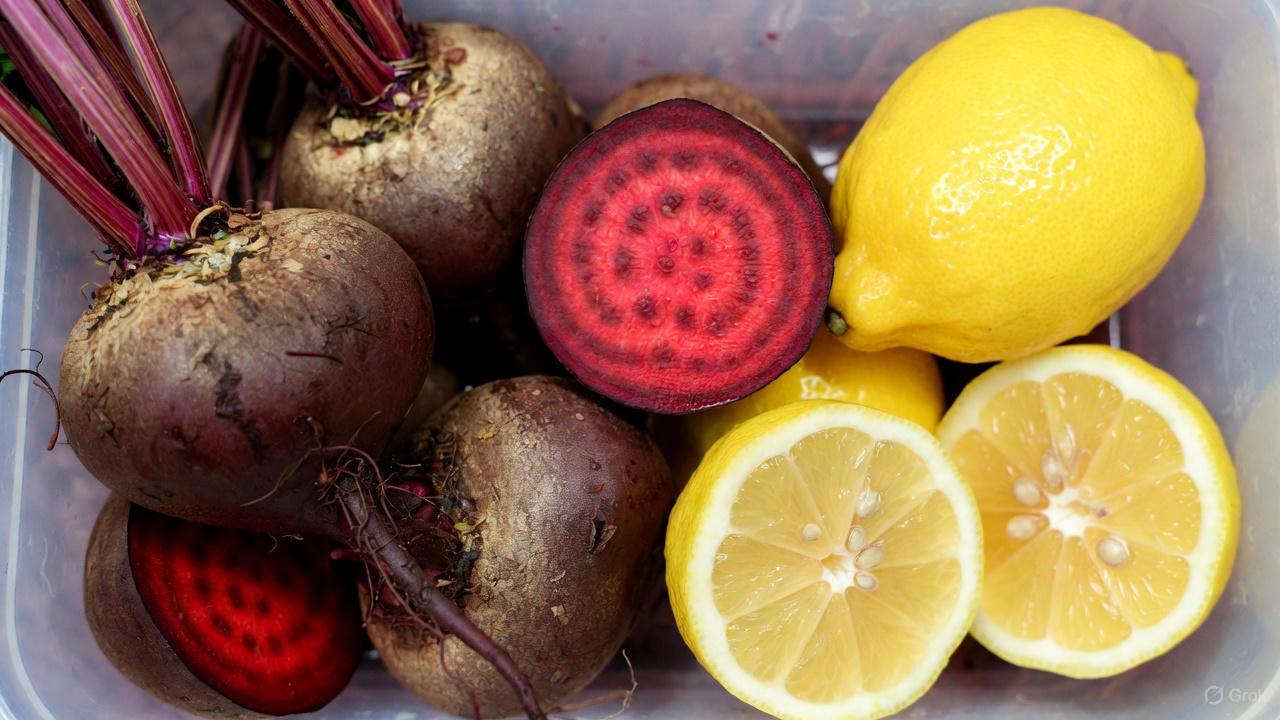
| Beetroot | Nitrates, betalains | Blood vessel relaxation, circulation |
| Lemon | Vitamin C, potassium, flavonoids | Antioxidant effects, electrolyte balance |
Practical Ways to Incorporate Beet and Lemon Juice
Starting small can make a big difference. Here’s a simple step-by-step guide:
- Choose fresh, organic beets when possible for maximum nutrients.
- Wash and peel 1-2 medium beets.
- Juice them with 1/2 to 1 fresh lemon (adjust for taste).
- Aim for 200-250 ml (about one cup) daily, preferably in the morning.
- Dilute with water if the flavor is too strong at first.
For variety:
- Add a splash of ginger for extra zest.
- Mix with carrot or apple for natural sweetness.
- Drink on an empty stomach for better absorption, based on some observational insights.
Consistency matters more than perfection—pair it with walking or other light activity for added benefits.
Other Potential Benefits Backed by Research
Beyond blood pressure, studies suggest beetroot juice may:
- Enhance exercise stamina by improving oxygen delivery.
- Support reduced inflammation markers in blood vessels.
- Contribute antioxidants that combat oxidative stress.
Lemon adds immune-supporting vitamin C, which may indirectly benefit heart health through anti-inflammatory pathways.
One pilot study in older adults even noted improvements in vessel dilation after regular beetroot intake.
Tips to Maximize Enjoyment and Safety
Most people tolerate beet and lemon juice well, but start with smaller amounts to see how your body responds.
- Opt for fresh juice over processed versions to retain nitrates.
- Store in the fridge and consume within a day for freshness.
- Monitor portions—excessive intake (over 500 ml daily) might lead to temporary pink urine (beeturia) or mild digestive upset.
If you have kidney concerns or take medications, check with your doctor first.
Frequently Asked Questions
How much beet and lemon juice should I drink daily?
Research often uses 200-300 ml of beetroot-based juice. Start with one cup and adjust based on taste and tolerance.
When is the best time to drink it?
Many studies suggest morning consumption, possibly on an empty stomach, though anytime works as part of a routine.
Can it replace medication for blood pressure?
No—it’s a complementary dietary approach. Always follow your healthcare provider’s advice for managing health conditions.
Final Thoughts
Incorporating a daily glass of beet and lemon juice is a simple, evidence-inspired habit that may support healthy circulation and blood pressure as part of a broader lifestyle. The science highlights nitrates’ role in vessel relaxation, while the refreshing taste makes it easy to stick with.
Pair it with balanced meals, movement, and regular check-ups for the best results. Small changes like this can add up over time.
This article is for informational purposes only and is not intended as medical advice. Please consult your healthcare provider before making dietary changes, especially if you have existing health conditions or take medications.


