
Many older adults experience interrupted sleep due to frequent trips to the bathroom after drinking plain water in the evening. This common issue can leave you feeling tired and frustrated the next day, affecting your overall well-being and daily activities. Fortunately, there are gentle beverage options that provide hydration while supporting a more restful night. Stick around to the end, where I’ll share an unexpected habit that could enhance your evening routine even further.

Understanding Nighttime Hydration Needs for Older Adults
As we age, our bodies change in ways that can impact how we handle fluids at night. The kidneys may not concentrate urine as efficiently, leading to more bathroom visits. Staying hydrated is still essential for health, but choosing the right drinks can make a difference in your sleep quality.
Research from organizations like the National Institute on Aging highlights the importance of balanced hydration without overloading the system before bed. It’s not about avoiding liquids entirely, but selecting ones that align with your body’s natural rhythms.
But that’s not all—let’s dive into why plain water might not always be the best choice in the evening.
Why Plain Water Might Disrupt Your Sleep
Plain water is great during the day, but sipping it close to bedtime can increase urine production. This happens because it lacks compounds that might help regulate fluid balance or promote relaxation.
Studies suggest that certain beverages with natural calming properties could offer hydration without the same level of disruption. The key is moderation and timing—aim to finish your last drink about two hours before bed.
Here’s the interesting part: by swapping in these alternatives, you might notice subtle improvements in how you feel upon waking.
5 Gentle Beverage Options to Consider
Exploring new drinks can be a simple way to adjust your habits. Below, I’ll outline five options, including how to prepare them and potential benefits based on general wellness insights. Remember, everyone’s body is different, so listen to yours.
1. Chamomile Tea: A Calming Herbal Infusion
Chamomile tea has been a go-to for relaxation for centuries. Made from dried chamomile flowers, it’s naturally caffeine-free and easy on the stomach.
To prepare it:
- Boil water and steep one tea bag or a teaspoon of loose flowers for 5 minutes.
- Add a touch of honey if desired for natural sweetness.
- Sip slowly while winding down.
General observations from herbal studies indicate chamomile may support a sense of calm, which could contribute to better evening routines. It’s low in calories and hydrating without excess volume.
But wait, there’s more to explore with our next option.
2. Tart Cherry Juice: A Fruity Evening Sip
Tart cherry juice comes from Montmorency cherries and offers a tangy flavor that’s refreshing yet mild. It’s available in most grocery stores and can be diluted if too strong.
Here’s a simple way to enjoy it:
- Mix 4-6 ounces of juice with an equal amount of water.
- Warm it slightly on the stove for a cozy feel.
- Drink it about an hour before bed.
Research published in journals like the European Journal of Nutrition notes that cherries contain compounds like melatonin, which plays a role in sleep cycles. This makes it a thoughtful choice for hydration with added natural elements.
The truth is, small changes like this can add up over time.
3. Warm Milk: A Classic Comfort Drink
Warm milk is a timeless bedtime beverage, often associated with childhood routines. It can be dairy or plant-based, like almond or oat milk, for those with preferences.
Step-by-step preparation:
- Heat 8 ounces of milk in a saucepan until warm, not boiling.
- Stir in a pinch of cinnamon or nutmeg for flavor.
- Pour into a mug and enjoy mindfully.
Some studies, such as those from the American Journal of Clinical Nutrition, suggest that milk contains tryptophan, an amino acid involved in relaxation processes. It’s nourishing and can feel soothing on cooler evenings.
And here’s something fascinating: pairing it with a light snack might enhance its effects.
4. Peppermint Tea: A Refreshing Herbal Choice
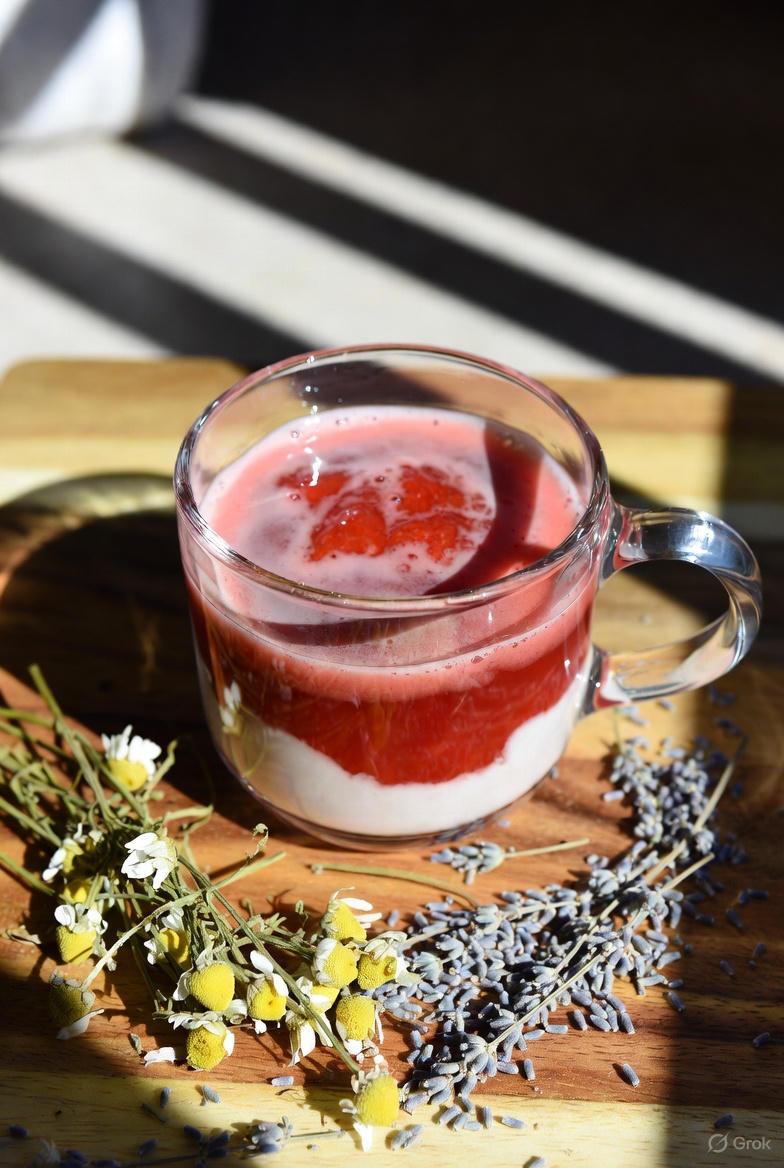
Peppermint tea, brewed from peppermint leaves, provides a minty freshness that’s invigorating yet gentle. It’s widely available and simple to make at home.
Quick guide:
- Steep a tea bag in hot water for 3-5 minutes.
- Let it cool slightly to avoid overheating.
- Optionally, add a slice of lemon for zest.
Insights from herbal medicine reviews indicate peppermint may aid digestion, which can indirectly support comfort at night. It’s hydrating without caffeine, making it suitable for evenings.
Now, let’s move on to our final suggestion—it’s a unique one.
5. Lavender Infusion: A Floral Relaxation Aid
Lavender infusion is made by steeping dried lavender buds in water, creating a subtle, aromatic drink. It’s less common but easy to source online or in health stores.
How to make it:
- Add 1 teaspoon of dried lavender to a cup of hot water.
- Cover and steep for 4-6 minutes, then strain.
- Sweeten lightly with a natural option if needed.
Aromatherapy studies, including those in the Journal of Alternative and Complementary Medicine, point to lavender’s potential in promoting a relaxed state. This infusion offers hydration with a spa-like twist.
These options provide variety, so you can rotate them based on your mood or what’s available.
Comparing the Beverage Alternatives
To help you decide, here’s a quick comparison table:
| Beverage | Key Ingredient | Preparation Time | Potential Benefits Noted in Studies |
|---|---|---|---|
| Chamomile Tea | Dried flowers | 5 minutes | Supports calm and relaxation |
| Tart Cherry Juice | Montmorency cherries | 2 minutes | Contains natural melatonin |
| Warm Milk | Milk (dairy or plant) | 3 minutes | Source of tryptophan |
| Peppermint Tea | Peppermint leaves | 4 minutes | Aids digestion |
| Lavender Infusion | Dried buds | 6 minutes | Promotes a relaxed state |
This overview shows how each fits into a routine. Experiment to find your favorites.
Tips for Incorporating These Drinks into Your Routine
Making a switch doesn’t have to be overwhelming. Start small.
- Track your intake: Note how you feel after trying a new drink for a few nights.
- Portion control: Stick to 6-8 ounces to avoid overload.
- Timing matters: Finish sipping by 8 PM if you sleep at 10 PM.
Research emphasizes consistency in habits for better outcomes. Pair with other practices like dimming lights.
But that’s not everything—combining these with lifestyle tweaks can amplify results.
Additional Habits to Support Nighttime Wellness
Beyond drinks, consider:
- Reducing caffeine after noon.
- Engaging in light evening walks.
- Creating a cool, dark sleep environment.
Studies from sleep foundations like the Sleep Foundation reinforce these as foundational steps.
Wrapping It Up: Small Sips Toward Better Evenings
In summary, exploring these five beverage alternatives—chamomile tea, tart cherry juice, warm milk, peppermint tea, and lavender infusion—can be a gentle way to adjust your nighttime hydration. They offer flavor and potential support for restful habits without the drawbacks of plain water.
Remember that unexpected habit I mentioned? It’s keeping a bedtime journal to reflect on what works best for you, fostering mindfulness and better choices over time.
Frequently Asked Questions
What if I have dietary restrictions?
Many of these options, like herbal teas and infusions, are naturally dairy-free and low-sugar. For tart cherry juice, choose unsweetened versions, and for milk, opt for plant-based alternatives like almond or soy.
How soon might I notice a difference?
Individual experiences vary, but some people report feeling more settled after a week of consistent tries. It’s about building habits gradually.
Can I combine these drinks?
Yes, in moderation— for example, add a dash of lavender to chamomile tea. Just keep portions small to maintain balance.
Disclaimer: This article is for informational purposes only and not intended as medical advice. Consult a healthcare professional before making changes to your routine, especially if you have underlying health conditions.
(Word count: 1,248)


