
Many people experience occasional joint discomfort as they get older, making simple activities like walking upstairs or gardening feel more challenging. This stiffness often stems from the natural wear on cartilage over time, where collagen plays a key role in maintaining flexibility and cushioning. If you’ve noticed your knees feeling less supple, you’re not alone—it’s a common concern that affects daily life in subtle but frustrating ways.
But here’s the encouraging part: certain nutrient-rich foods from your kitchen could offer natural support for your body’s collagen production. And today, we’re focusing on two surprisingly simple vegetables that research suggests may play a helpful role. Keep reading to learn which ones they are and how to incorporate them easily.
Understanding Collagen and Its Role in Joint Health
Collagen is the most abundant protein in the body, acting like a scaffold that provides structure to cartilage, tendons, and ligaments. In the knees and other joints, it helps keep everything moving smoothly by supporting cartilage resilience.
As we age, the body’s natural collagen production slows down. Studies, including those from Harvard’s Nutrition Source, indicate that a balanced diet rich in specific nutrients can help support ongoing collagen synthesis. Key players include vitamin C for building collagen and sulfur for stabilizing it.
That’s where vegetables come in—they don’t contain collagen directly (since it’s primarily from animal sources), but they provide essential building blocks. Research published in journals like Amino Acids highlights how nutrients from plant foods contribute to collagen formation and joint comfort.
But that’s not all… certain veggies stand out for their high levels of these supportive compounds.
The First Vegetable: Broccoli – A Powerhouse for Collagen Support
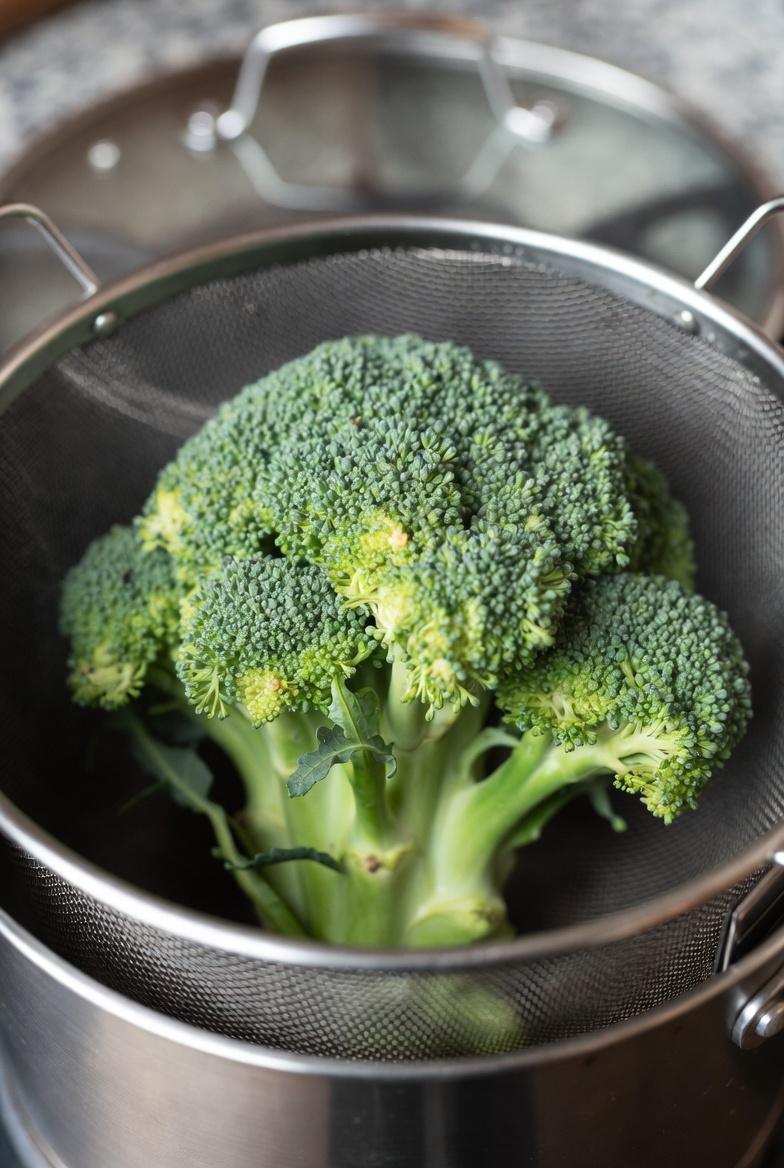
Broccoli belongs to the cruciferous family and packs a impressive nutrient profile. It’s loaded with vitamin C—one cup of chopped broccoli provides over 80 mg, meeting daily needs for many adults.
Vitamin C is crucial because it acts as a cofactor in collagen synthesis, helping convert amino acids into stable collagen fibers. Without enough vitamin C, collagen production can be less efficient, as noted in reviews from the National Institutes of Health.
Additionally, broccoli contains sulforaphane, a compound formed when you chop or chew it. Some studies suggest sulforaphane has antioxidant properties that protect cells, potentially benefiting joint tissues.
Here’s why broccoli might be worth adding more of:
- High in vitamin C to aid collagen building
- Contains sulfur compounds that help prevent collagen breakdown
- Rich in antioxidants that support overall joint health
- Low in calories but high in fiber for easy meal addition
Research from sources like Cleveland Clinic recommends dark green veggies like broccoli for maintaining joint flexibility through nutrient support.
Simple Ways to Enjoy Broccoli Daily
Start small to make it a habit:
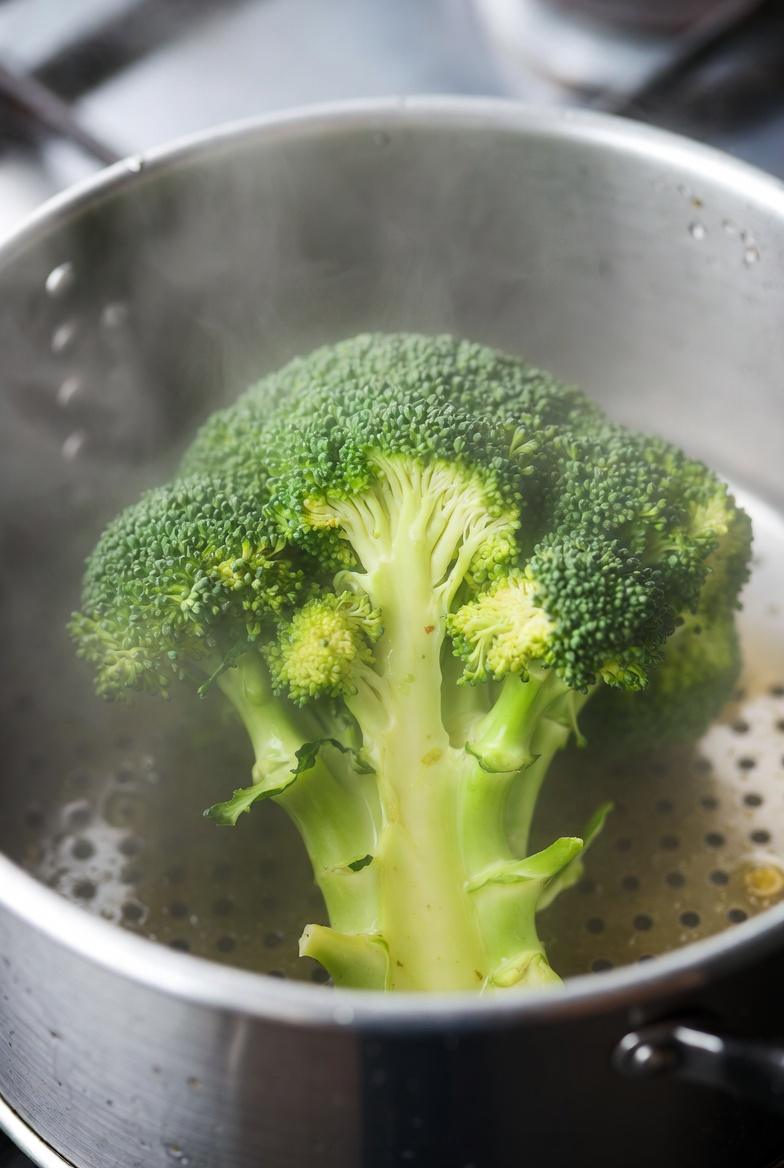
- Steam florets for 5 minutes and toss with olive oil and garlic.
- Add chopped broccoli to stir-fries or soups.
- Roast with a sprinkle of herbs for a crunchy side dish.
- Blend into smoothies with fruits for a hidden boost.
Aim for 1-2 cups a few times a week—consistency matters more than large portions.
The Second Vegetable: Garlic – The Flavorful Sulfur Booster
Garlic might seem ordinary, but it’s exceptional for collagen support thanks to its sulfur content. Sulfur is a trace mineral that helps synthesize and protect collagen from degradation.
Studies, including those reviewed in the Journal of Cosmetic Dermatology, point to sulfur’s role in maintaining collagen structure. Garlic also provides small amounts of other supportive nutrients like manganese.
The allium family (including garlic, onions, and leeks) is often highlighted in arthritis-focused resources from the Arthritis Foundation for their potential anti-inflammatory effects.
What makes garlic stand out:
- Rich source of sulfur for collagen stabilization
- Contains taurine and other compounds that may rebuild damaged fibers
- Adds flavor without extra calories
- Easy to incorporate into almost any savory dish
One review notes that regular intake of garlic could contribute to healthier connective tissues over time.
Easy Tips to Include More Garlic
You don’t need massive amounts—2-3 cloves a day can make a difference:
- Mince and let sit 10 minutes before cooking to activate compounds.
- Sauté with vegetables or add to dressings.
- Roast whole bulbs for a mild, spreadable treat.
- Use in marinades for meats or tofu.
Pro tip: Crushing or chopping releases more beneficial sulfur compounds.
Why These Two Vegetables Work Well Together
Combining broccoli and garlic creates a synergistic effect. Broccoli’s vitamin C teams up with garlic’s sulfur for better collagen support. Plus, they complement each other in recipes—like a simple stir-fry or roasted medley.
Studies on nutrient combinations suggest that getting these from whole foods provides additional benefits, like fiber and antioxidants, compared to isolated supplements.
Here’s a quick comparison:
| Nutrient Focus | Broccoli | Garlic |
|---|---|---|
| Vitamin C | High (supports synthesis) | Moderate |
| Sulfur Compounds | Present (sulforaphane) | High (allicin, taurine) |
| Antioxidant Support | Strong | Good |
| Ease of Use | Versatile in meals | Flavor enhancer |
This duo is affordable, accessible, and backed by nutritional science for potential joint benefits.
Additional Habits to Support Joint Comfort Naturally
While focusing on these vegetables, consider these evidence-based tips:
- Stay hydrated—water helps maintain cartilage cushioning.
- Include other vitamin C sources like bell peppers or citrus.
- Aim for balanced protein from lean sources to provide amino acids.
- Gentle movement, like walking or yoga, stimulates natural processes.
- Maintain a healthy weight to reduce knee stress.
Research from PubMed studies shows lifestyle factors significantly influence joint health.
Conclusion: Small Dietary Changes for Potential Big Benefits
Incorporating broccoli and garlic into your routine is a straightforward way to provide nutrients that may help support collagen levels and joint comfort. Many people find that consistent, nutrient-dense eating makes a noticeable difference over time.
Remember, these are supportive habits from everyday foods—not quick fixes. Pair them with overall healthy choices for the best results.
Frequently Asked Questions
1. How much broccoli and garlic should I eat daily?
Start with 1 cup of broccoli and 2-3 cloves of garlic several times a week. Adjust based on your preferences and listen to your body.
2. Can these vegetables help with existing joint discomfort?
They provide nutrients that support collagen production, which may contribute to joint health over time, according to nutritional research. Individual results vary.
3. Are there other vegetables that offer similar support?
Yes—spinach, kale, and bell peppers are also rich in vitamin C and worth including for variety.
Disclaimer: This article is for informational purposes only and not intended to diagnose, treat, or cure any condition. Always consult your healthcare provider before making dietary changes, especially if you have health concerns.


