
Many people feel bloated or uncomfortable after dinner, and that lingering discomfort can make it hard to wind down for the night. You toss and turn, wondering if there’s a simple way to feel more at ease before bed. What if a common kitchen staple could offer some occasional support for digestion?
The truth is, baking soda mixed with water has been a go-to home remedy for generations when it comes to soothing temporary tummy troubles. But there’s more to the story—and some important details you’ll want to know before trying it yourself. Keep reading to discover what research suggests about this habit, including a surprising insight at the end.

What Is Baking Soda Water, and Why Do People Drink It at Night?
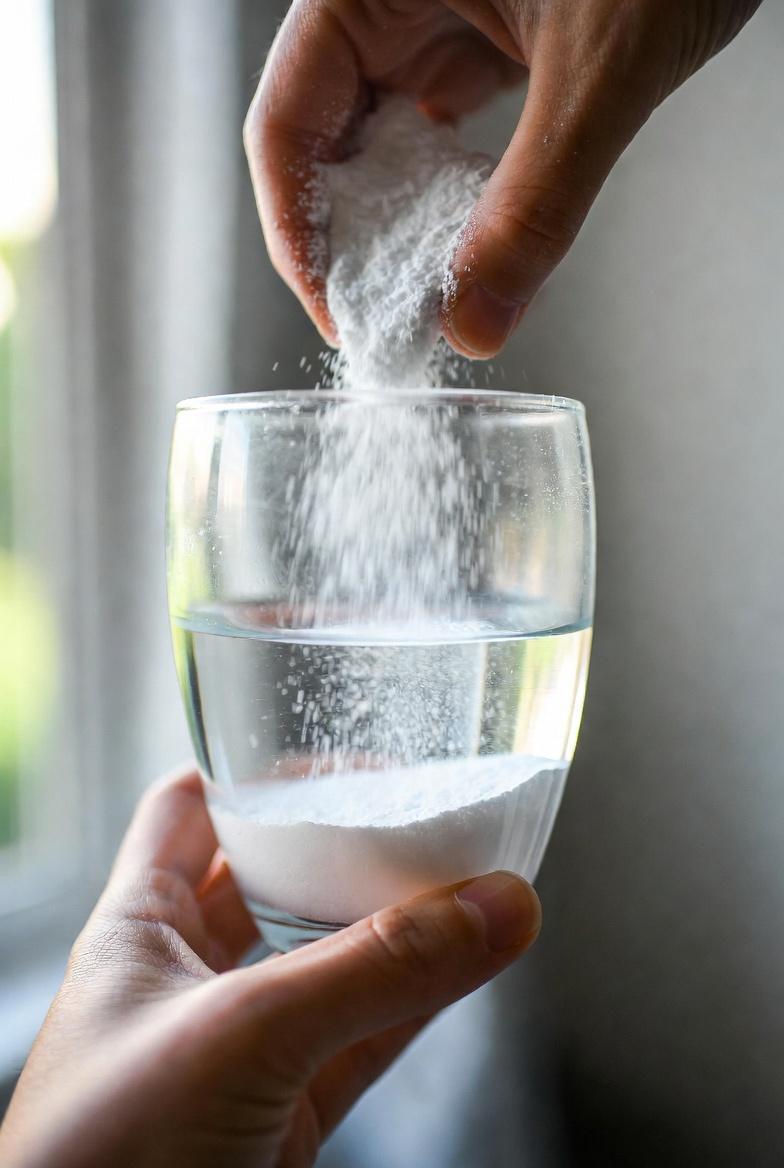
Baking soda, or sodium bicarbonate, is a natural alkaline substance that can help neutralize excess stomach acid. When dissolved in water, it creates a mildly fizzy solution that’s easy to sip.
Some people turn to it in the evening because digestive issues often flare up after meals. Research shows that small amounts may provide temporary relief from occasional indigestion or heartburn by balancing acidity in the stomach.
But that’s not all. Studies, including those reviewed by experts at institutions like the Mayo Clinic, indicate it works similarly to over-the-counter antacids for short-term use.
Here’s the interesting part: timing it for nighttime might align with your body’s natural repair processes during sleep. However, results vary from person to person.
Potential Effects on Digestion You Might Notice
If you’ve ever dealt with that heavy feeling after eating, you know how disruptive it can be.
Baking soda water may help by quickly neutralizing acid, which could ease bloating or gas for some.
One small study highlighted its role in supporting better digestion in certain cases, though it’s not a long-term fix.
Over two weeks of occasional use:
- You might feel lighter after meals.
- Temporary heartburn could lessen.
- Sleep might improve if discomfort was keeping you awake.
But remember, these are anecdotal and research-backed observations for short-term relief only—not guaranteed changes.
The reality is, your body already regulates acid levels expertly. This is just a gentle nudge when needed.
How It Might Influence Your Body’s pH Balance
You’ve probably heard about “alkalizing” the body.
Baking soda is alkaline, so it can temporarily shift pH in the stomach or urine.
Some research, like animal and lab studies, suggests it may support a less acidic environment in specific areas.
However, your blood pH stays tightly controlled—no drink dramatically alters it systemically.
What does this mean for two weeks?
- Urine pH might rise slightly, as noted in some observations.
- It could feel like a subtle “reset” for digestion.
But experts emphasize: this isn’t about transforming your overall health. It’s more about occasional comfort.
This is where things get fascinating—keep going to see why moderation matters most.
Other Areas Where Research Shows Promise
Beyond digestion, a few studies point to interesting possibilities.
For example:
- Athletic performance: Reviews from the International Society of Sports Nutrition note it may buffer lactic acid during intense exercise, potentially reducing fatigue.
- Kidney support: Limited evidence suggests it could help in certain chronic conditions by managing acid buildup.
| Potential Area | What Research Suggests | Key Caveat |
|---|---|---|
| Digestion | Temporary relief from acid-related discomfort | Best for occasional use |
| Exercise Endurance | May delay muscle fatigue | Doses studied are higher than home remedies |
| Inflammation | Small studies show possible anti-inflammatory signals | Early research only |
But here’s the truth: most benefits are from controlled settings, not daily drinking.
And no strong evidence supports dramatic body-wide changes from two weeks at home.
Simple Steps to Try Baking Soda Water Safely at Night
If you’re curious, start small and listen to your body.
Here’s a straightforward guide:
- Use 1/4 to 1/2 teaspoon of baking soda in a full glass (8 oz) of water.
- Stir until fully dissolved—warm water helps.
- Sip slowly, about 30-60 minutes after your last meal.
- Limit to once per evening, and not every night.
- Track how you feel over a week or two.
Avoid if you’re on a low-sodium diet or have conditions like high blood pressure.
Always dissolve it completely to prevent issues.
The best part? It’s inexpensive and uses something you likely already have.

Important Risks and When to Skip It Altogether
No remedy is risk-free, and baking soda is no exception.
Too much can lead to:
- Gas, bloating, or nausea
- Electrolyte imbalances
- Higher sodium intake, which isn’t ideal for everyone
Long-term or excessive use? Research warns of potential complications like metabolic alkalosis.
People with heart, kidney issues, or during pregnancy should avoid it.
Children? Not recommended.
Studies stress: don’t exceed 1/2 teaspoon doses more than occasionally, and never for more than two weeks without guidance.
If symptoms persist, see a doctor—it’s often a sign of something needing proper attention.
Common Questions About This Habit
Is it safe to drink baking soda water every night?
Occasional use in small amounts may be fine for healthy adults, but daily long-term isn’t recommended due to sodium and potential side effects. Research supports short-term only.
How much baking soda should I use?
Start with 1/4 teaspoon in a glass of water. Never more than 1/2 teaspoon per dose, and limit frequency.
Can it help with sleep?
Indirectly, yes—if it eases nighttime discomfort. But it might disrupt sleep for some due to sodium effects.
In summary, trying baking soda water at night for up to two weeks might offer temporary digestive comfort for some, backed by its acid-neutralizing properties. Research highlights benefits for occasional indigestion and even exercise support, but it’s not a miracle habit.
The real key? Use it mindfully, in moderation, and as part of a balanced lifestyle with whole foods and hydration.
And here’s that open loop closer: the most surprising insight from studies is how something so simple can mimic antacid effects—but only when used wisely, or it could backfire.
Important Note: This information is for educational purposes only and not medical advice. Baking soda water provides temporary relief for occasional symptoms and does not treat or prevent any disease. Always consult a healthcare professional before trying new remedies, especially if you have health conditions or take medications.


