
Discovering signs of tooth wear or early decay can feel worrying, especially when you think about potential dental visits and procedures. Many people experience that sinking feeling when noticing sensitivity or dark spots on their teeth, wondering if there’s a way to address it without immediate intervention. The discomfort from hot or cold foods, the fear of worsening issues—it’s completely understandable to want gentler, at-home approaches first.
But here’s the encouraging part: your body has a natural process called remineralization that can help strengthen enamel in the very early stages of weakening. By making some straightforward changes to your daily routine and diet, you can support this process effectively. And toward the end of this guide, I’ll share a lesser-known tip that ties everything together for even better results.
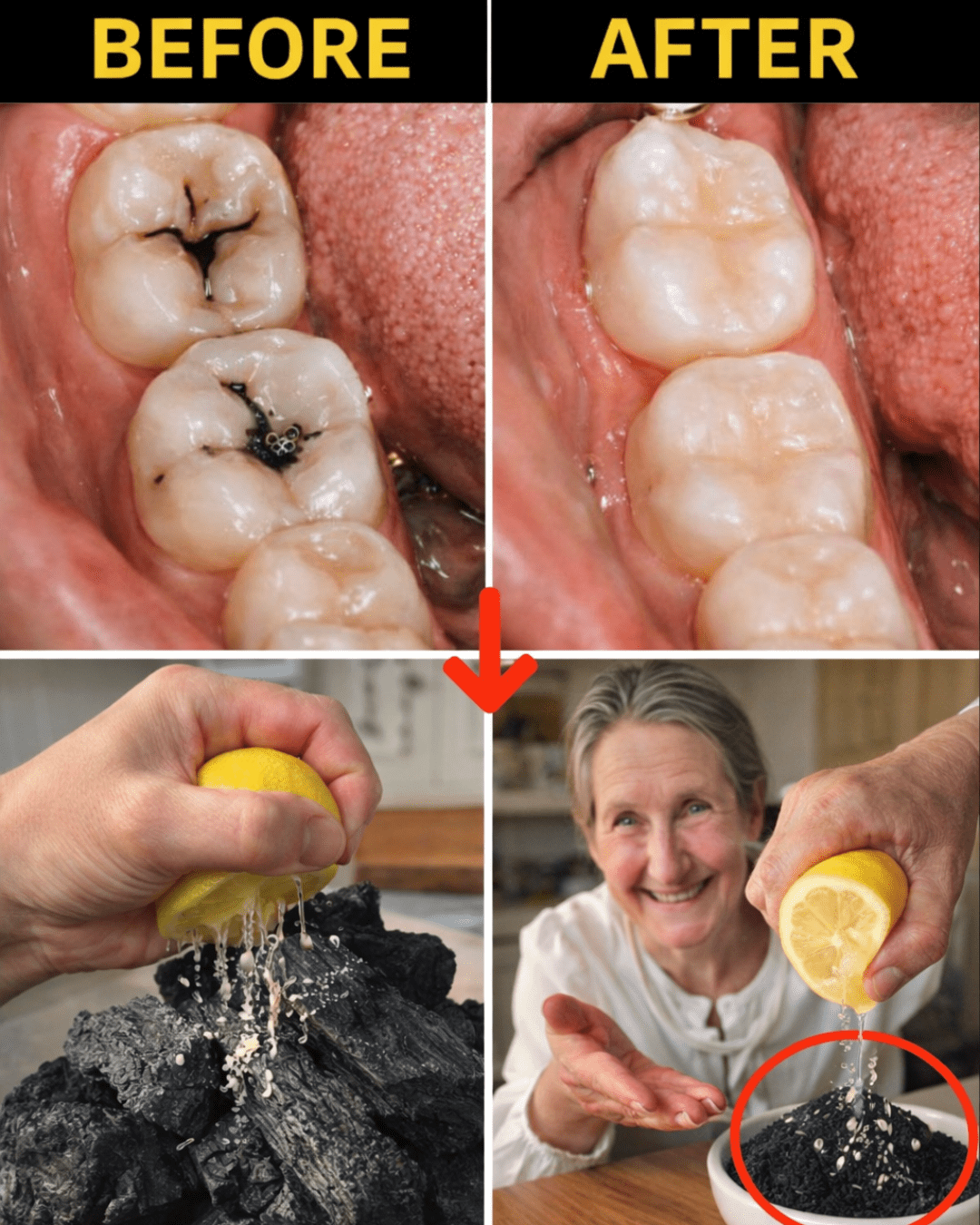
Understanding Tooth Enamel and Remineralization
Tooth enamel is the hard outer layer protecting your teeth, but it’s constantly in a balance between losing minerals (demineralization) from acids and regaining them (remineralization) through saliva and good habits.
Research shows that in the initial phases, when decay hasn’t formed a visible hole, remineralization can help restore mineral content and halt progression. Studies, including those referenced in dental journals, highlight how minerals like calcium, phosphate, and fluoride play key roles in this natural repair.
However, once a full cavity develops with structural damage, professional care is needed to prevent further issues. The focus here is on supportive habits for overall enamel health.
But that’s just the foundation—let’s look at practical steps you can take.
Daily Oral Hygiene Habits That Make a Difference
Consistent care is the cornerstone of supporting healthy teeth. Here’s how to optimize your routine:
Brush twice daily with a soft-bristled toothbrush and fluoride toothpaste. Fluoride helps integrate into enamel, making it more resistant to acid, as noted in guidelines from oral health organizations.
Floss once a day to remove plaque between teeth where brushing misses.
Rinse with water after meals to neutralize acids and wash away debris.
These simple actions reduce bacterial buildup and create an environment favorable for remineralization.
The truth is, small consistent changes here can have a big impact over time…
Dietary Choices to Support Enamel Strength
What you eat directly influences your mouth’s pH and mineral availability. Focus on foods rich in key nutrients:
Calcium sources like dairy (milk, yogurt, cheese), leafy greens, and almonds help provide building blocks for enamel.
Vitamin D from sunlight, fatty fish, or fortified foods aids calcium absorption.
Phosphorus-rich options such as eggs, meat, and nuts contribute to mineral balance.
Crunchy vegetables like celery and carrots stimulate saliva flow, which naturally buffers acids and delivers minerals.
Stay hydrated with plenty of water to keep saliva production high.
On the flip side, limiting frequent sugary snacks and acidic drinks helps avoid tipping the balance toward demineralization.
Here’s a quick comparison of supportive vs. challenging foods:
| Supportive Foods | Why They Help | Foods to Limit |
|---|---|---|
| Cheese and yogurt | High in calcium and phosphate | Sugary snacks and sodas |
| Leafy greens (spinach, kale) | Provide minerals and vitamins | Frequent citrus juices |
| Nuts and seeds | Source of phosphorus and healthy fats | Sticky candies |
| Fatty fish (salmon) | Vitamin D for absorption | Excessive coffee or tea with sugar |
Incorporating more from the left column can make a noticeable difference.
This is where many people see improvements—but there’s more…

Additional Habits to Boost Saliva and Mineral Flow
Chewing sugar-free gum after meals increases saliva, which research indicates can aid in neutralizing acids and promoting mineral deposit.
Some studies suggest moderate green tea consumption may offer antioxidants beneficial for oral health, though it’s not a standalone solution.
Avoid habits like frequent snacking, which expose teeth to repeated acid attacks.
Here’s the part that’s interesting: combining these with professional check-ups ensures you’re catching things early.
Step-by-Step Guide to a Remineralization-Friendly Routine
Ready to implement? Follow these actionable steps:
- Start your day with a mineral-rich breakfast, like yogurt with nuts.
- Brush gently for two minutes, twice daily, using fluoride toothpaste.
- Floss in the evening to clear interdental areas.
- Drink water throughout the day and chew sugar-free gum post-meals.
- Include calcium and vitamin D sources in meals.
- Rinse with plain water after acidic foods or drinks.
- Schedule regular dental visits for monitoring.
Consistency over weeks to months is key, as changes build gradually.
But that hasn’t been the full picture yet…
Common Questions About Supporting Tooth Health Naturally
Can early enamel weakening be improved without professional help?
In very initial stages, supportive habits like better hygiene and diet can help remineralization, per scientific reviews. Advanced issues need dental evaluation.
How long does it take to notice changes in tooth strength?
It varies, but consistent habits may show benefits in sensitivity or appearance over several months, according to studies on fluoride and diet.
Are there risks with popular home trends like certain pastes or rinses?
Some trends, like highly abrasive options, may wear enamel over time. Stick to evidence-based practices and consult a professional.

Final Thoughts
Supporting your teeth through natural habits focuses on prevention and early care—strong hygiene, nutrient-focused eating, and hydration can go a long way in maintaining enamel health. The “secret” many overlook? Pairing these with routine dental check-ups for personalized advice and early detection.
Remember, while these tips can empower your daily routine, they’re most effective as part of overall oral care.
Important Note: This information is for educational purposes and not a substitute for professional dental advice. Always consult your dentist for concerns about tooth decay or cavities, as individual needs vary and early professional intervention is often recommended.


