
Many people worry about keeping their kidneys working well as they age or deal with daily stresses on their body. Elevated creatinine levels can be a concern, signaling that the kidneys might need a little extra support in filtering waste effectively. It can feel overwhelming when lab results come back higher than expected, leaving you searching for simple ways to help your body feel better without drastic changes.
The good news is that incorporating certain nutrient-rich vegetables into your meals can provide antioxidants, fiber, and hydration that research suggests may benefit overall kidney health. Studies, including those from the National Kidney Foundation and Healthline, highlight how low-potassium, low-phosphorus options like these can fit into a balanced diet. But that’s not all—there’s one surprising vegetable that stands out for its unique properties, and we’ll reveal it at the end.

Why Vegetables Matter for Kidney Support
Vegetables are naturally packed with vitamins, minerals, and plant compounds that help reduce inflammation and oxidative stress—factors linked to better kidney function in observational studies.
Research shows that diets higher in fruits and vegetables may help maintain healthy blood pressure and blood sugar levels, both important for kidneys. Plus, many are high in water and fiber, aiding hydration and digestion.
The key is choosing varieties lower in potassium and phosphorus, especially if you’re monitoring those. Always portion wisely and enjoy variety.
Here’s the thing: not all vegetables are created equal for this purpose. Some shine brighter due to their nutrient profiles.
Top 7 Vegetables to Consider Adding to Your Plate
Let’s dive into seven standout options backed by nutrition experts. These are easy to find, affordable, and versatile in meals.
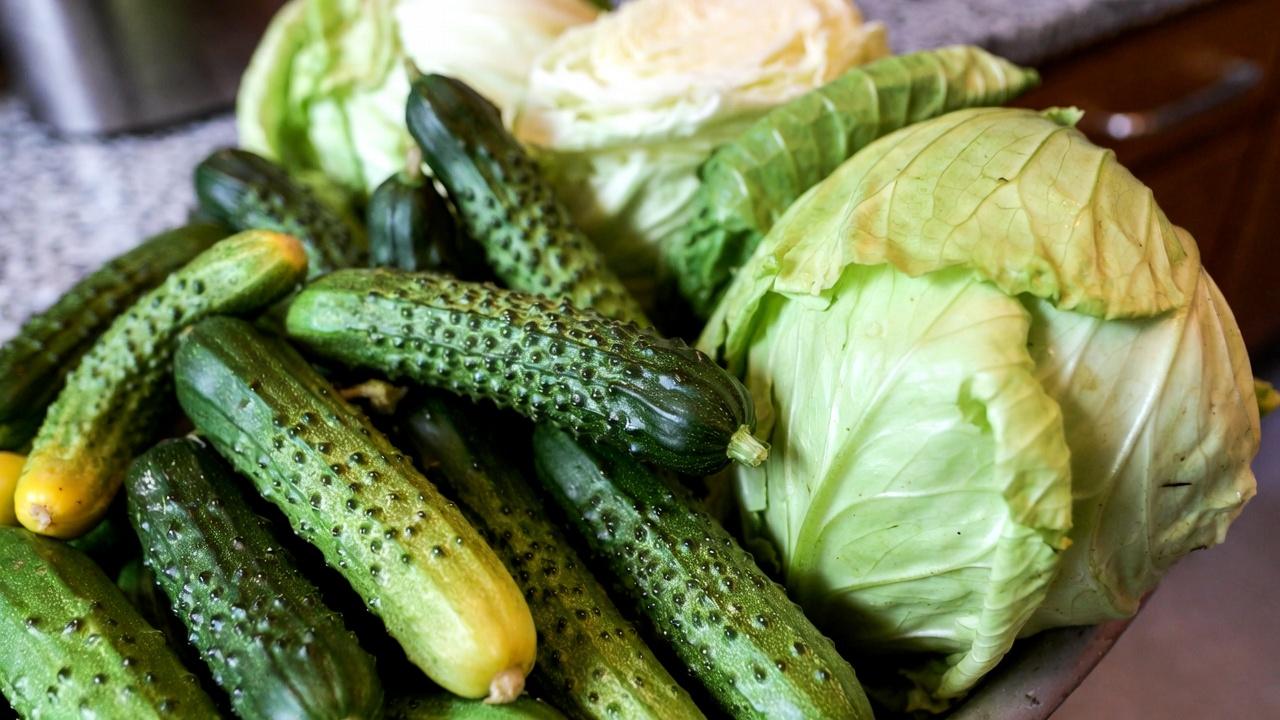
1. Cucumbers
Cucumbers are over 95% water, making them excellent for staying hydrated—a simple way to support waste flushing.
They’re low in calories, potassium, and phosphorus, with antioxidants that may help combat inflammation.
One study on healthy individuals noted cucumber consumption had no negative impact on kidney markers while offering other benefits.
Actionable tip: Slice fresh cucumbers into salads or infuse water with them for a refreshing drink. Aim for 1-2 medium cucumbers daily.

2. Cabbage
This cruciferous veggie is loaded with fiber, vitamin C, and K, plus phytochemicals that act as antioxidants.
It’s notably low in potassium, making it a go-to for kidney-friendly meals.
Experts at Healthline and the National Kidney Foundation often recommend cabbage for its anti-inflammatory potential.
But here’s a pro tip: lightly steam or stir-fry to preserve nutrients.
Quick ideas:
- Add shredded cabbage to stir-fries
- Make coleslaw with a light vinaigrette
- Use leaves as wraps for healthy fillings
3. Cauliflower
Versatile and mild, cauliflower is rich in vitamin C, folate, and fiber while being gentle on mineral levels.
It can stand in for higher-carb options like rice or potatoes.
Research points to cruciferous vegetables like this supporting detoxification processes naturally.
4. Red Bell Peppers
Bursting with vitamin C (one pepper has more than an orange!), red bell peppers are low in potassium and high in flavor.
They also provide vitamin A and antioxidants like lycopene.
The DaVita kidney diet resources frequently list them as a top choice.
Fun way to enjoy: Roast them for sweetness or stuff with lean proteins and grains.
5. Onions
Onions add depth to dishes without overloading on potassium or phosphorus.
They’re full of quercetin, an antioxidant with anti-inflammatory effects.
Studies suggest onions may contribute to better cardiovascular health, indirectly benefiting kidneys.
6. Radishes (Including Daikon/White Radish)
Crunchy radishes, especially the white daikon variety, offer a peppery bite with diuretic properties that may aid fluid balance.
They’re low-calorie and provide vitamin C.
Traditional uses and some sources note radishes for supporting detoxification and urinary health.
Slice thinly for salads or pickle for a tangy side.
7. Lettuce and Other Leafy Greens (in Moderation)
Romaine or iceberg lettuce is very low in potassium compared to darker greens.
It adds volume to meals with hydration and fiber.
Pair with the others for balanced salads.
This brings us to the surprising one many overlook: cucumbers. Their high water content combined with low mineral load makes them uniquely refreshing and supportive—perfect for daily habits.
Simple Ways to Incorporate These Vegetables Daily
Start small to build lasting habits.
A sample day:
- Breakfast: Veggie omelet with onions and bell peppers
- Lunch: Big salad with lettuce, cucumbers, radishes, and cabbage
- Dinner: Stir-fried cauliflower rice with onions and red peppers
Pro tips for prep:
- Wash and chop in advance for easy grabbing
- Roast a batch of mixed veggies on weekends
- Blend into smoothies if raw isn’t appealing
Increasing fiber gradually helps—studies show higher fiber intake from veggies may positively influence kidney markers.
Comparison of Key Nutrients (Per 1 Cup Serving, Approximate)
| Vegetable | Potassium (mg) | Phosphorus (mg) | Fiber (g) | Notable Benefits |
|---|---|---|---|---|
| Cucumber | 150 | 25 | 0.5 | High hydration, antioxidants |
| Cabbage | 170 | 25 | 2.2 | Phytochemicals, vitamin K |
| Cauliflower | 170 | 40 | 2.0 | Vitamin C, versatile substitute |
| Red Bell Pepper | 160 | 20 | 2.0 | High vitamin C and A |
| Onion | 150 | 30 | 1.5 | Quercetin for inflammation |
| Radish | 230 | 20 | 2.0 | Diuretic properties |
| Lettuce | 100 | 20 | 1.0 | Low-calorie volume |
Data sourced from USDA and kidney diet guidelines—always check labels or apps for precision.
Wrapping It Up: Small Changes for Big Support
Adding these seven vegetables—cucumbers, cabbage, cauliflower, red bell peppers, onions, radishes, and lettuce—can make your meals more vibrant while providing nutrients that research links to kidney support.
Focus on whole foods, stay hydrated, and enjoy balanced portions.
Over time, these habits may help you feel more energized and confident about your health.
Frequently Asked Questions
Can eating these vegetables alone improve kidney function?
No single food works miracles, but a diet rich in vegetables like these, combined with healthy lifestyle choices, may support overall kidney health according to studies.
How much should I eat daily?
Aim for at least 2-3 cups of vegetables per day, varying types. Consult a dietitian for personalized amounts based on your needs.
Are there vegetables to limit?
Some higher in potassium like potatoes or spinach might need portion control—focus on the lower ones listed here.
Disclaimer: This information is for educational purposes only and not medical advice. Always consult your healthcare provider or a registered dietitian before making dietary changes, especially if you have kidney concerns or other health conditions. They can tailor recommendations to your specific situation.


