
Many people reach for oatmeal as a quick and comforting breakfast choice. It provides fiber and nutrients that can support steady energy and overall wellness. Yet small habits in preparation or ingredients can reduce those potential benefits or lead to discomfort like bloating or energy dips.
The good news? Simple adjustments can help you enjoy oatmeal in a way that feels better for your body. Keep reading to discover these common pitfalls—and toward the end, you’ll find an easy blueprint to make your oatmeal even more nourishing.

Why Oatmeal Deserves a Spot in Your Routine
Oats contain beta-glucan, a type of soluble fiber that research links to supporting healthy cholesterol levels when consumed regularly. Studies also suggest oats may promote feelings of fullness and provide slow-releasing carbohydrates for sustained energy.
But preparation matters. Overprocessing, poor pairings, or rushed cooking can diminish these qualities. Here’s a closer look at seven frequent mistakes—and straightforward ways to adjust.
Mistake 1: Relying on Flavored Instant Packets
Convenient packets often include added sugars and artificial flavors. Some varieties contain 12 grams or more of added sugar per serving, which can contribute to quicker blood sugar rises.
Better choice: Opt for plain rolled or steel-cut oats. You control the flavor with fresh additions.
Here’s a quick comparison:
| Aspect | Plain Rolled Oats | Flavored Instant Packets |
|---|---|---|
| Added Sugar (per ½ cup serving) | 0g | Often 10-12g |
| Fiber | 4g | 3-4g |
| Processing | Minimal | Higher (may include extras) |
| Cost per Serving | Lower | Higher |
Research indicates choosing minimally processed options supports better satiety.
Mistake 2: Adding Lots of Sweeteners Right Away
Even with plain oats, piling on sugar or syrup can lead to energy fluctuations. Studies show added sugars at breakfast may affect glucose responses.
Tip: Start with natural sweetness from fruits like berries or bananas. Add a dash of cinnamon for flavor without extra calories.
Many find this swap keeps energy more even throughout the morning.
Mistake 3: Cooking with Too Much Liquid or High Heat
Using excessive water dilutes the creamy texture beta-glucan creates. High heat for too long may also affect nutrient retention.
Harvard-affiliated reviews recommend a 1:2 oats-to-liquid ratio for optimal viscosity.
How to adjust: Use ½ cup oats to 1 cup liquid (water or plant-based milk). Simmer gently on low heat.
This often results in a thicker, more satisfying bowl.
Mistake 4: Skipping Any Prep for Digestibility
Oats naturally contain phytic acid, which can bind minerals. Some research suggests soaking reduces this compound, potentially improving mineral absorption.
Simple step: Soak oats overnight in water with a splash of lemon juice or yogurt (if tolerated).
The next morning, rinse and cook. Many report easier digestion this way.
Mistake 5: Overlooking Balanced Toppings
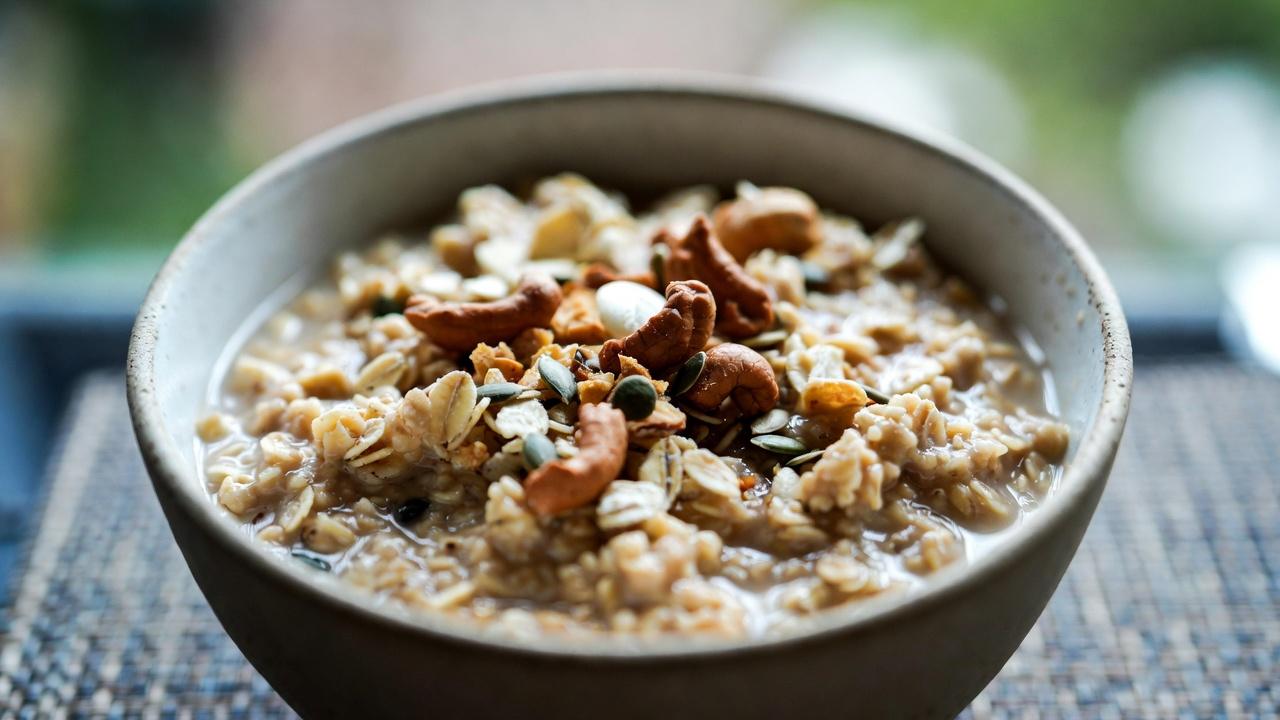
Oats alone provide carbs and fiber, but adding protein and healthy fats rounds out the meal. Without them, hunger may return sooner.
Studies on balanced breakfasts show they support longer fullness.
Ideas:
- Nuts or seeds for crunch and fats
- A scoop of nut butter
- Greek yogurt or plant-based alternatives for protein
- Fresh fruit for vitamins
This combination often feels more complete.
Mistake 6: Using Dairy If It Doesn’t Agree with You
Many adults experience lactose sensitivity, which can cause bloating when paired with oats.
Alternative: Try plant-based milks like almond, oat, or soy. They provide creaminess without dairy.
Listeners to their bodies often notice less discomfort.
Mistake 7: Microwaving in Plastic Containers
Heating in plastic may raise concerns about chemical transfer, though evidence varies.
Safer option: Use glass or ceramic bowls.
A small switch, but one many appreciate for peace of mind.
Your Simple Guide to a Nourishing Oatmeal Bowl
Follow these steps for an easy, balanced version:
- Choose oats: Plain rolled or steel-cut (gluten-free if needed).
- Soak overnight: Cover with water and add 1 tablespoon lemon juice or apple cider vinegar. Rinse in the morning.
- Cook gently: Use 1:2 ratio with water or plant milk. Simmer on low, stirring occasionally.
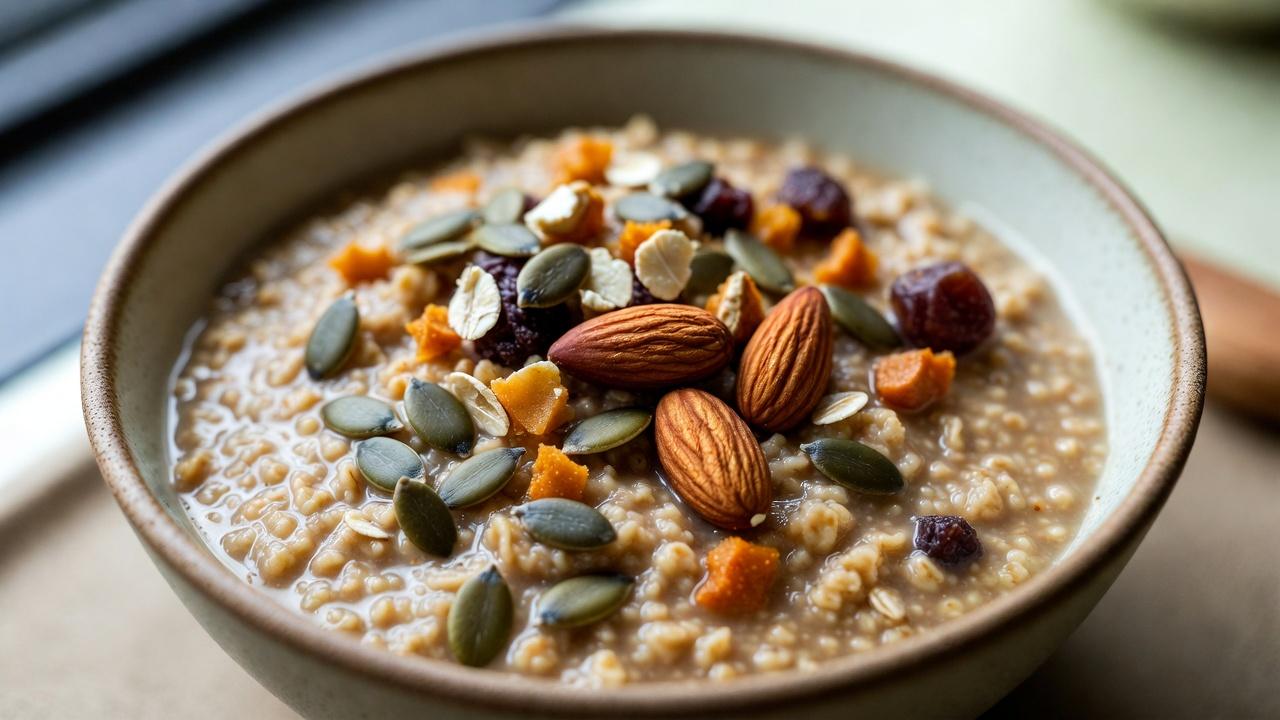
- Add toppings after cooking: Fresh berries, nuts, seeds, and a sprinkle of cinnamon.
- Portion mindfully: Start with ½ to ¾ cup cooked oats.
This method preserves texture and nutrients while keeping things straightforward.
Potential Benefits of Mindful Oatmeal Habits
When prepared thoughtfully, oatmeal may support:
- Steady energy from slow-digesting carbs
- Comfortable digestion with proper soaking
- Heart-friendly fiber like beta-glucan (meta-analyses link 3g daily to modest cholesterol support)
- Nutrient absorption from reduced anti-nutrients
- Fullness that lasts until lunch
Individual experiences vary, but many enjoy these everyday perks.
Frequently Asked Questions
Can I eat oatmeal every day?
Yes, variety is key in any diet, but daily oats fit well for most people when balanced with other foods.
What’s the best liquid for cooking oats?
Water works fine, or try unsweetened plant milks for creaminess. The choice depends on your preferences.
How can I make oatmeal without cooking?
Overnight oats—soak in the fridge with your chosen liquid and toppings for a no-cook option.
This article is for informational purposes only and is not a substitute for professional medical advice. Consult your healthcare provider for personalized guidance.


