
Dealing with unwanted insects in your living space can be incredibly frustrating. Those itchy bites that keep you up at night, the sudden buzz of mosquitoes on a peaceful evening, or spotting cockroaches scurrying across the floor can make anyone feel uneasy and disrupted. It’s especially tough when you’re trying to maintain a comfortable, relaxing home environment, only to have these persistent visitors interfere with your peace of mind.
The good news is that many people are turning to everyday household items to help make their spaces less inviting to these pests. And there’s one surprisingly simple ingredient that’s been generating a lot of interest lately – but we’ll get to that in just a moment, along with why it might (or might not) be worth trying.
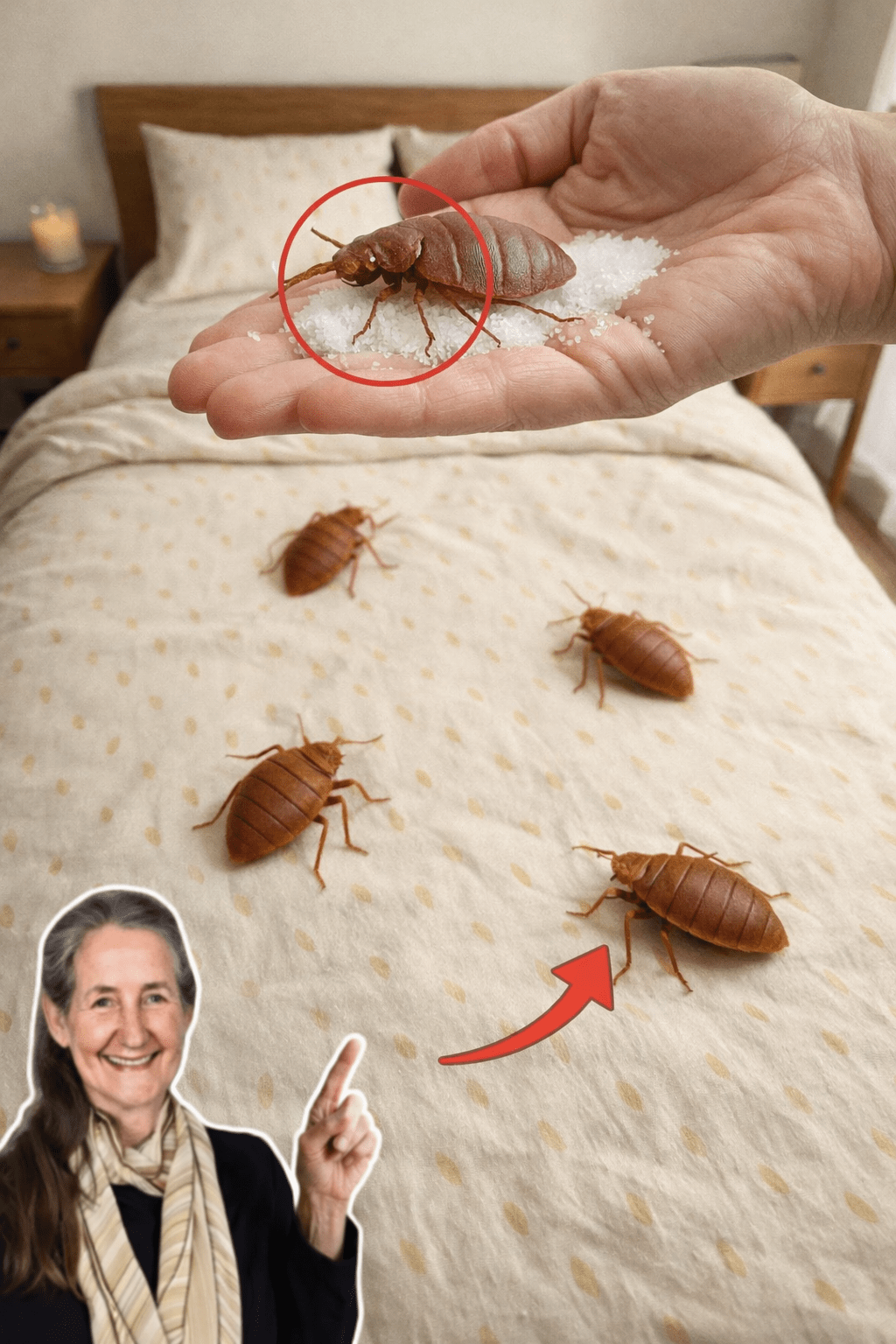
Understanding Common Household Pests and Why They Show Up
Pests like bedbugs, mosquitoes, cockroaches, and flies are drawn to our homes for basic reasons: food, water, warmth, and shelter. They thrive in cluttered areas, crumbs left out, or even small leaks that provide moisture.
But here’s the thing – preventing them from feeling welcome starts with simple habits. Research shows that maintaining cleanliness and reducing clutter can significantly lower the chances of infestations. For instance, regular vacuuming and sealing cracks help disrupt their hiding spots.
Yet, many homeowners look for additional natural ways to deter these insects using items already in the pantry.
The Buzz Around Salt: What Does the Evidence Say?
You’ve probably seen claims online about using ordinary table salt to keep pests at bay. The idea is that salt’s dehydrating properties could make areas less appealing to insects with softer bodies, like slugs in the garden.
However, when it comes to household pests like bedbugs, studies and expert reviews indicate that salt isn’t particularly effective. Bedbugs have a protective outer layer that resists dehydration from salt, and there’s limited scientific backing for it working against them indoors.
That said, salt can sometimes help deter certain crawling insects in specific scenarios, such as sprinkling it in dry areas where ants trail. But that’s not the full picture…
Here’s the interesting part: A far more reliable natural powder option exists that works through a similar dehydration mechanism but is much better supported by research.
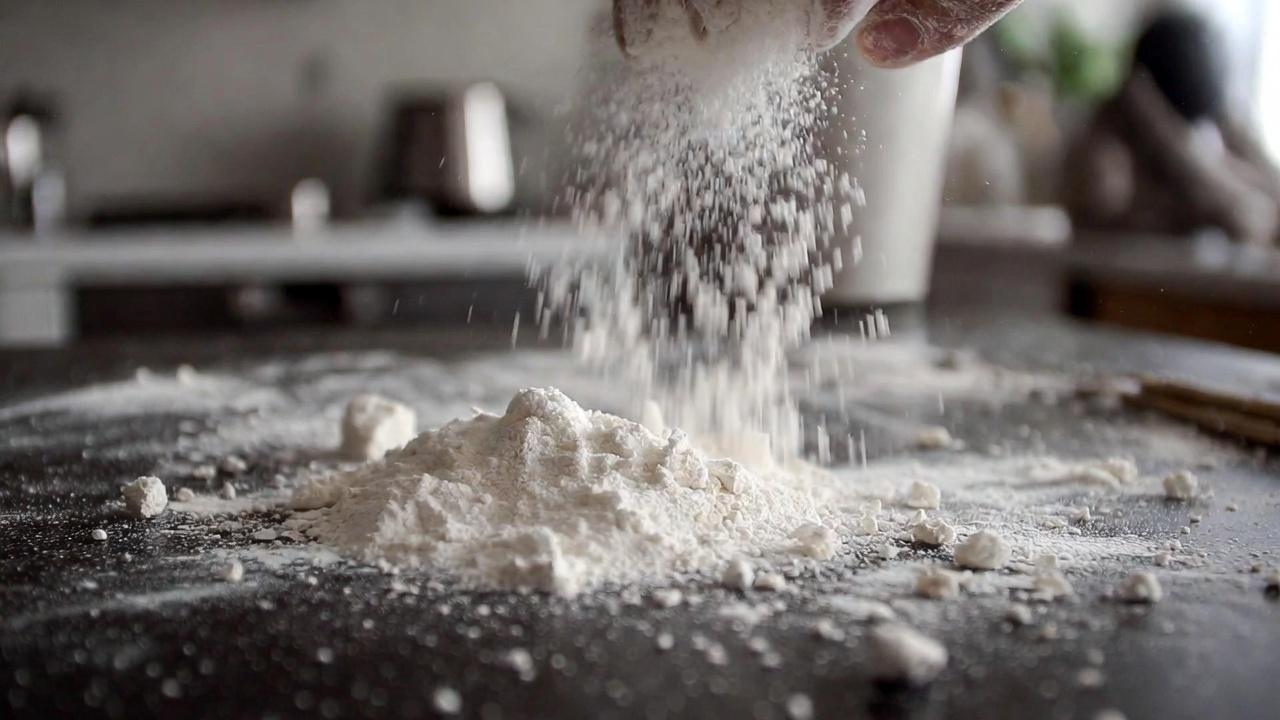
Discovering Diatomaceous Earth: A Natural Powder Many People Swear By
Diatomaceous earth (DE) is a fine, natural powder made from fossilized algae. It’s food-grade safe when used properly and has been studied for its ability to deter a variety of crawling insects by absorbing moisture from their outer layers.
Research published in journals on pest management highlights how food-grade DE can be effective against pests like cockroaches, ants, and fleas when applied in thin layers in dry areas.
Why do people prefer it over other options?
- It’s non-toxic to humans and pets when using the food-grade version.
- It works mechanically, not chemically, so pests are less likely to develop resistance.
- It’s inexpensive and widely available.
But remember, it’s most useful as part of a broader approach, not a standalone solution.
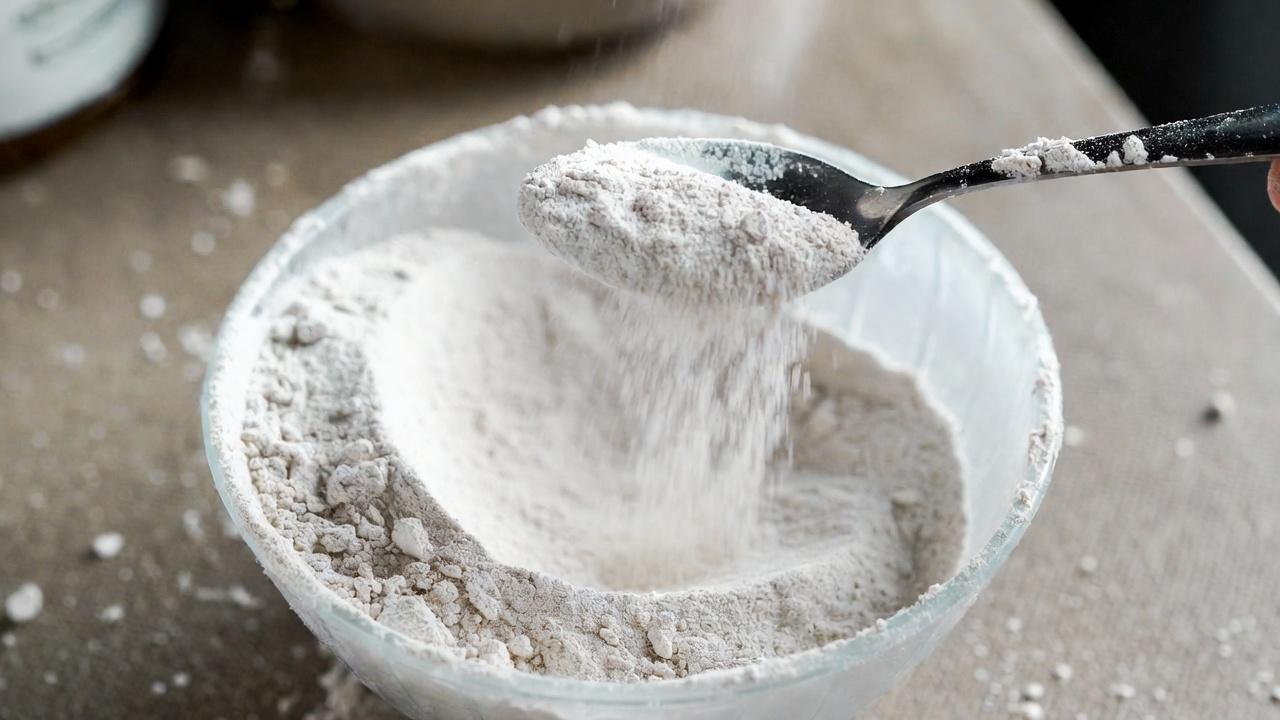
How to Safely Use Diatomaceous Earth Around Your Home
If you’re curious about trying DE, here’s a step-by-step guide:
- Choose food-grade diatomaceous earth (avoid pool-grade, which is treated differently).
- Wear a mask to avoid inhaling the fine dust during application.
- Lightly sprinkle a thin layer in areas where pests travel, like along baseboards, behind appliances, or in cracks.
- Leave it undisturbed for a few days, then vacuum and reapply if needed.
- Keep it dry – moisture reduces its effectiveness.
Always focus on dry areas, and combine with other habits for best results.
Other Everyday Ingredients Worth Exploring for Pest Deterrence
While no single item is a magic fix, here are some household favorites that research suggests may help make your home less attractive to insects:
- Essential oils: Peppermint, lavender, or tea tree oil diluted in water can create pleasant-smelling barriers around windows and doors.
- Vinegar solutions: Wiping surfaces with equal parts vinegar and water disrupts scent trails for ants.
- Herbs and plants: Placing basil or mint near entry points adds a natural aroma that many flying insects avoid.
Quick Comparison of Popular Natural Deterrents
| Ingredient | Best For | How to Use | Notes |
|---|---|---|---|
| Diatomaceous Earth | Crawling insects (e.g., ants, cockroaches) | Thin dust layer in dry spots | Mechanical action; reapply after cleaning |
| Peppermint Oil | Mosquitoes, ants | Spray diluted mixture | Refreshing scent; reapply often |
| White Vinegar | Ant trails, general cleaning | Wipe surfaces | Disrupts scents; safe for counters |
| Baking Soda | Occasional moisture control | Sprinkle and vacuum | Limited evidence for direct deterrence |
These options are easy to try and can complement cleaning routines.
Practical Habits to Make Your Home Less Inviting to Pests
The foundation of any pest deterrence strategy is prevention. Here are actionable tips you can start today:
- Seal cracks and gaps around windows, doors, and pipes.
- Store food in airtight containers and clean up spills promptly.
- Reduce moisture by fixing leaks and using dehumidifiers in damp areas.
- Vacuum regularly, especially in bedrooms and under furniture.
- Wash bedding in hot water weekly if concerned about fabric-dwelling pests.
Consistency with these habits often makes the biggest difference over time.
But that’s not all – combining them with natural deterrents like those mentioned can create an unwelcoming environment for unwanted visitors.
Wrapping It Up: Taking a Balanced Approach
Exploring natural ways to deter common pests can empower you to maintain a more comfortable home using simple, everyday items. While popular claims about certain ingredients may not always hold up under scrutiny, options like food-grade diatomaceous earth and essential oils offer promising, research-supported alternatives worth considering.
Start small, observe what works in your space, and layer prevention habits for longer-lasting results. Your peaceful nights and pest-free days are absolutely achievable with patience and the right strategies.
Frequently Asked Questions
What is the safest natural powder for deterring crawling pests indoors?
Food-grade diatomaceous earth is often recommended due to its mechanical action and low toxicity when used as directed.
Can essential oils really help with mosquitoes around the house?
Yes, scents like peppermint or citronella can make areas less appealing, though they work best when reapplied regularly.
How often should I clean to prevent pests naturally?
Daily quick wipes for crumbs and weekly deep cleans, including vacuuming hidden spots, go a long way in deterrence.
Disclaimer: This article is for informational purposes only and shares general tips based on common practices and available research. It is not intended to diagnose, treat, or prevent any pest infestation. For persistent issues, consult a professional pest management expert. Always test natural methods in small areas first and follow safety guidelines.


