
Many people struggle with occasional digestive discomfort after meals, like bloating or sluggishness that lingers throughout the day. This can make it harder to enjoy food or maintain consistent energy levels, especially as we get older. And when combined with the natural fluctuations in blood sugar and cholesterol that come with busy lifestyles, it often leaves us searching for simple, natural ways to feel more balanced.
But that’s not the end of the story. There’s a common herb that’s been used for centuries in herbal traditions—and modern interest is growing because of its potential supportive role in daily health. Keep reading to discover how something as straightforward as peppermint leaves might fit into your routine, and why so many people are turning to it for gentle digestive support.
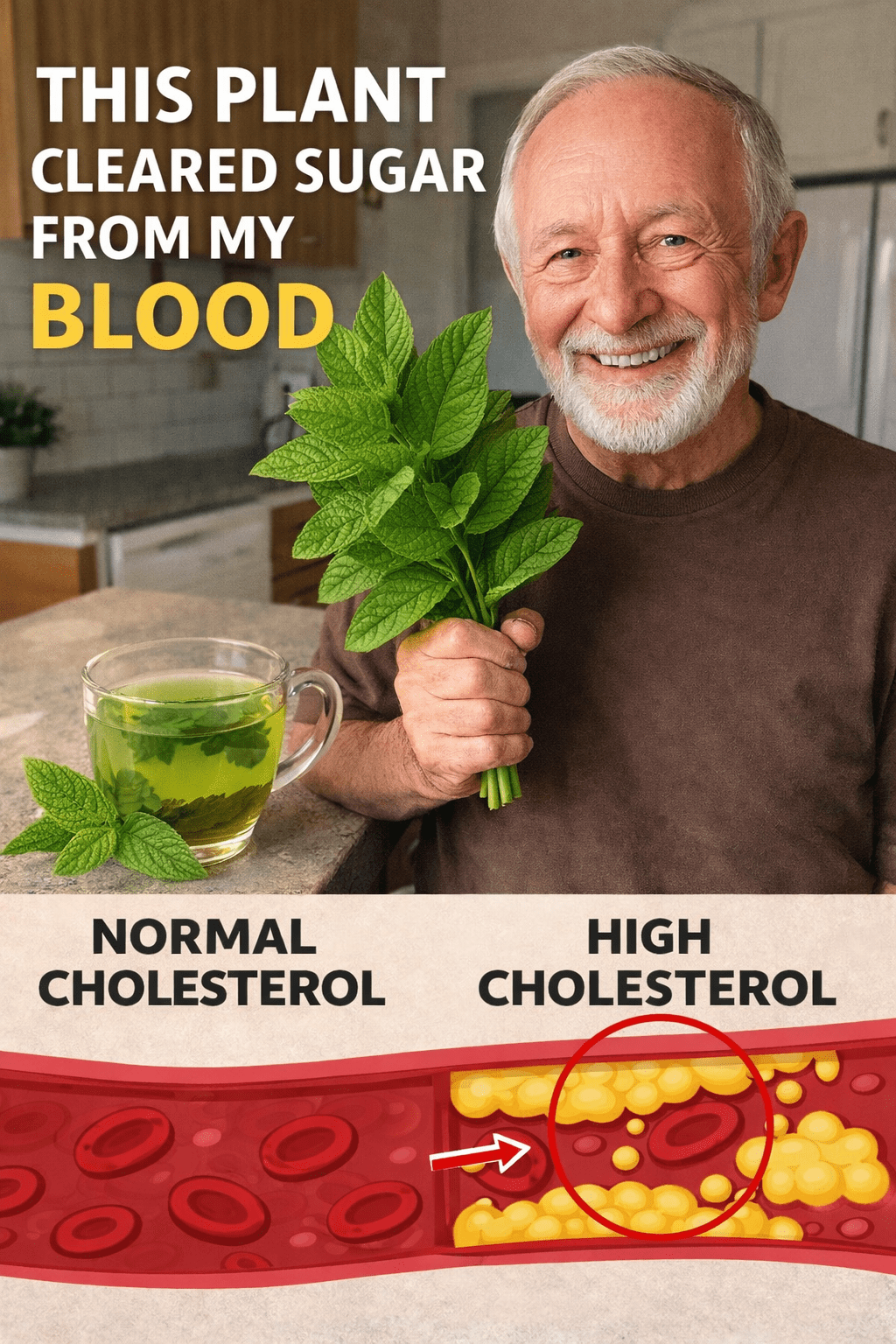
What Makes Peppermint Leaves Special?
Peppermint (Mentha piperita) is a hybrid herb known for its refreshing aroma and cooling sensation, thanks to compounds like menthol. It’s been a staple in traditional herbal practices around the world, from Europe to the Middle East.
Research, including animal studies, has explored how peppermint extracts may influence digestion, blood sugar levels, and lipid profiles. For instance, some studies on rats have shown that peppermint can relax gastrointestinal tissues and support healthier responses to meals. While human clinical trials on peppermint tea specifically are limited, reviews of available evidence suggest it offers promising supportive effects for everyday wellness.
The truth is, peppermint’s appeal lies in its versatility—whether fresh, dried, or brewed into tea, it’s easy to add to your day without much effort.
Supporting Gentle Digestion with Peppermint
One of the most common reasons people reach for peppermint is its reputation for easing digestive issues. The menthol in peppermint acts as a natural muscle relaxant in the gut, which may help reduce occasional spasms, gas, and bloating.
Studies on peppermint oil (a concentrated form) have shown benefits for symptoms like those in irritable bowel syndrome, with meta-analyses indicating improvements in abdominal comfort. Although tea is milder, many find it provides similar soothing effects after eating.
Here’s why it might help:
- Relaxes smooth muscles in the digestive tract
- Promotes better flow of bile for fat digestion
- Reduces feelings of fullness or discomfort
But that’s just the start—many notice it helps with overall meal enjoyment.
How Peppermint May Support Healthy Blood Sugar Levels
Maintaining steady energy throughout the day is key for feeling your best. Some animal research has found that peppermint extracts can influence glucose metabolism, potentially supporting balanced levels after eating.
For example, studies in diabetic rat models showed reductions in fasting blood sugar when supplemented with peppermint. While these are preclinical findings and human evidence is emerging, they align with traditional uses of the herb as a post-meal aid.
The interesting part? Peppermint tea is naturally calorie-free and caffeine-free, making it a gentle option for anytime sipping.
Peppermint’s Potential Role in Heart-Friendly Habits
Cholesterol management is another area where peppermint has sparked interest. Animal studies, including those on fructose-fed rats, have observed improvements in lipid profiles—such as lower total cholesterol, triglycerides, and LDL, with higher HDL.
Reviews note antioxidant properties in peppermint that may contribute to these effects by reducing oxidative stress. Again, most direct evidence comes from extracts or oil, but incorporating the leaves through tea could be a supportive habit alongside a balanced diet.
Here’s a quick comparison of key compounds in peppermint:
| Compound | Potential Benefit | Evidence Level |
|---|---|---|
| Menthol | Digestive relaxation | Strong (human studies on oil) |
| Rosmarinic Acid | Antioxidant support | Moderate (lab/animal) |
| Flavonoids | May aid lipid metabolism | Emerging (animal) |
This isn’t everything—peppermint also offers a refreshing way to stay hydrated.
Simple Ways to Enjoy Peppermint Leaves Daily
Ready to try it? Here are actionable steps to incorporate peppermint into your routine safely and effectively.
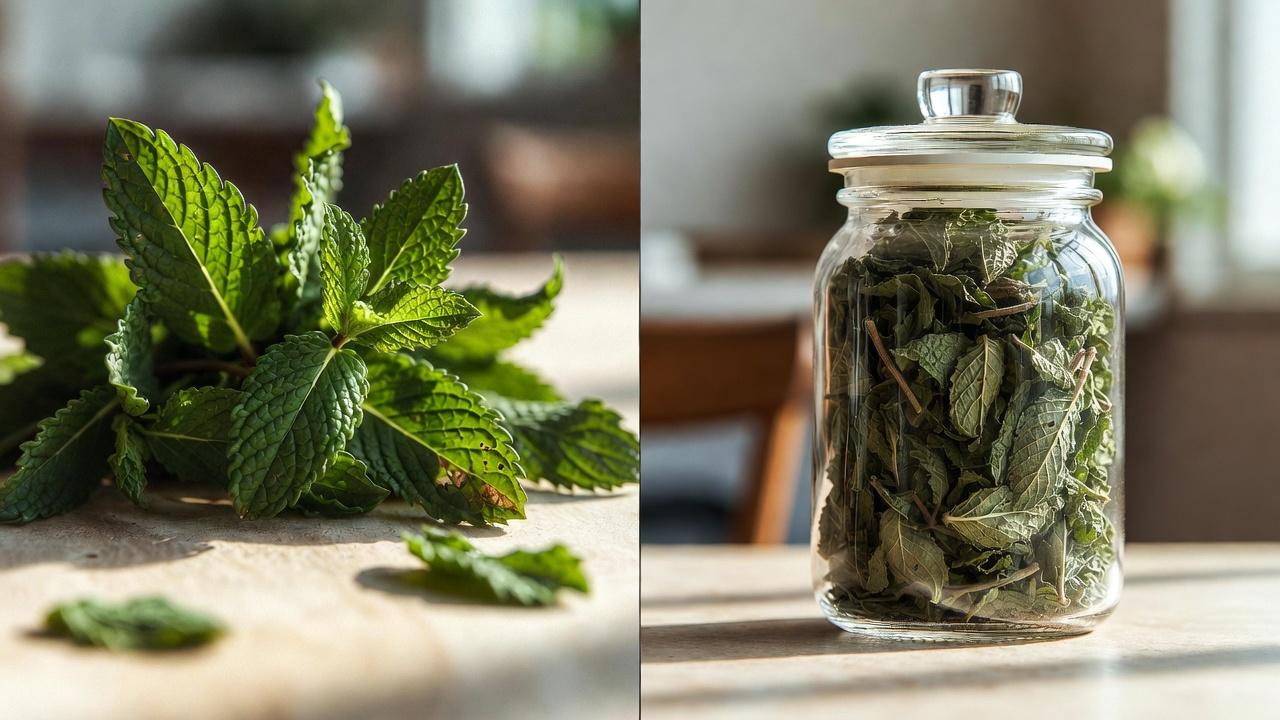
- Start with fresh or dried leaves: Use 1-2 teaspoons of dried peppermint per cup of hot water.
- Steep for 5-10 minutes: Cover the cup to retain the volatile oils.
- Drink 1-3 cups daily: Ideally after meals for digestive support.
- Enhance flavor naturally: Add a slice of lemon or combine with green tea for variety.
- Store properly: Keep dried leaves in an airtight container away from light.
Many people begin with one cup in the evening to wind down while supporting overnight digestion.
Additional Wellness Perks of Peppermint Tea
Beyond digestion, blood sugar, and cholesterol support, peppermint offers other everyday benefits:
- Freshens breath naturally due to antibacterial properties
- Provides a calming aroma that may ease tension
- Supports clear breathing during seasonal changes
- Zero calories, making it waistline-friendly
Research also hints at antioxidant effects that combat daily oxidative stress.
Frequently Asked Questions
How many cups of peppermint tea can I drink daily?
Most adults tolerate 2-3 cups well. Start with one and see how your body responds.
Is peppermint tea safe for everyone?
It’s generally well-tolerated, but those with acid reflux may find it relaxing the lower esophageal sphincter. Consult a healthcare provider if you have concerns.
Can peppermint tea help with weight management?
As a calorie-free beverage that supports digestion and hydration, it may indirectly aid healthy habits, though it’s not a standalone solution.
Final Thoughts
Adding peppermint leaves to your daily routine through simple tea could offer gentle support for digestion, energy balance, and overall vitality. While research—particularly animal studies—shows promising effects on blood sugar, cholesterol, and gut comfort, it’s best viewed as part of a holistic approach with diet and exercise.
Remember, individual results vary, and peppermint tea complements—but doesn’t replace—professional health advice.
Disclaimer: This article is for informational purposes only and is not intended to diagnose, treat, or prevent any disease. Always consult your healthcare provider before making changes to your diet or wellness routine, especially if you have existing health conditions or take medications.


