
Ginger is a beloved spice enjoyed by millions for its warm flavor and long history of use in supporting digestion and easing occasional nausea. Many people reach for ginger tea or add fresh ginger to meals without a second thought, feeling its comforting effects right away. But for some, that same ginger can lead to unexpected discomfort, like heartburn, irritation, or even interactions that affect their well-being. It’s frustrating when something natural and helpful turns out to have a downside you didn’t see coming.
The good news is that most people can enjoy ginger safely in moderate amounts. But knowing your own health situation makes all the difference. In this guide, we’ll explore who might need to approach ginger with extra care, backed by insights from reliable sources like the National Institutes of Health and Mayo Clinic. By the end, you’ll have a clear picture of simple steps to include ginger wisely—or when to skip it altogether.

Why Ginger Is Popular—And Generally Safe
Ginger has been used for centuries in cuisines and traditional practices around the world. Research shows it can help with common issues like nausea from motion or pregnancy, and it may support healthy digestion.
Studies, including reviews from the National Center for Complementary and Integrative Health (NCCIH), indicate that ginger is likely safe for most adults when consumed in typical food amounts or up to 4 grams per day of dried ginger. Fresh ginger in meals or tea usually falls well within safe limits.
But that’s not the whole story. Higher amounts or certain health conditions can change how your body responds.
Common Mild Side Effects of Ginger
Even in healthy people, ginger can sometimes cause minor issues, especially if consumed in larger quantities.
Research from sources like WebMD notes these common effects:
- Heartburn or stomach discomfort
- Burping or mild diarrhea
- Mouth or throat irritation
These tend to occur more often with doses over 5 grams daily. Starting small and listening to your body helps avoid them.
Here’s the interesting part: while ginger soothes digestion for many, it can have the opposite effect in sensitive individuals. Let’s look closer at who might experience this.
When Ginger Might Cause Heartburn or Digestive Upset
Ginger stimulates digestive juices, which is great for most—but not everyone.
If you deal with acid reflux or sensitive digestion, ginger could relax the lower esophageal sphincter, allowing stomach acid to rise more easily. Studies mentioned in Healthline reviews suggest this can lead to flare-ups in some people.
People with conditions like GERD often report more heartburn after ginger tea or supplements.
Tip: Try ginger in the morning with food rather than on an empty stomach. If discomfort persists, scale back.
Ginger and Blood Clotting: A Key Concern for Some
One of ginger’s natural compounds acts similarly to salicylates (like in aspirin), which can influence platelet function.
According to NIH and WebMD resources, this may increase bleeding risk, especially in higher doses.
This is particularly relevant for:
- Those with bleeding disorders
- People scheduled for surgery (stop high-dose ginger 1-2 weeks beforehand)
- Anyone taking blood-thinning medications
Interactions with drugs like warfarin, aspirin, or clopidogrel could amplify effects. Always check with your healthcare provider.
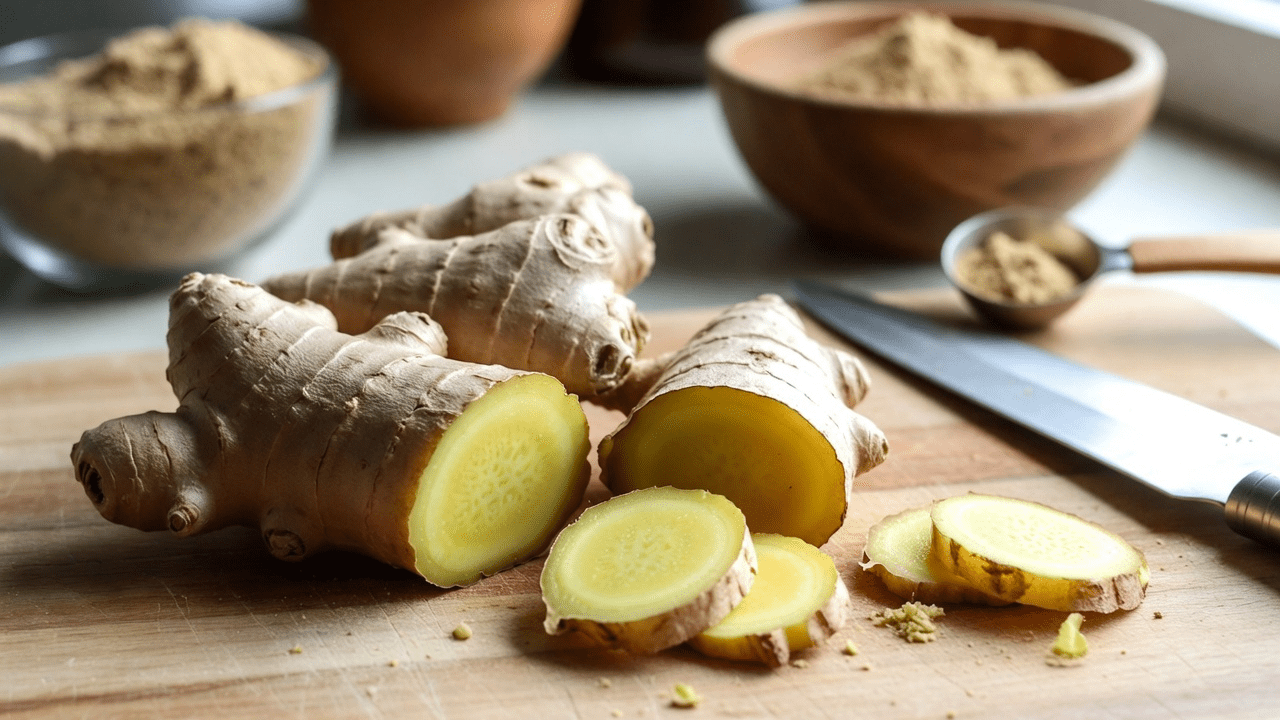
How Ginger Affects Blood Sugar and Blood Pressure
Ginger shows promise in supporting healthy blood sugar levels in some studies, but this can be a double-edged sword.
Reviews from reliable sources indicate ginger may lower blood glucose, which could lead to low levels if combined with diabetes medications.
Similarly, ginger might contribute to lower blood pressure, potentially causing dizziness when paired with antihypertensive drugs.
Monitoring is key if you’re managing these conditions.
Special Considerations During Pregnancy
Ginger is often suggested for morning sickness, and many studies support its use in moderate amounts (up to 1 gram daily).
A systematic review cited by NCCIH found it helpful without major risks for most.
However, higher doses lack extensive safety data, and some experts recommend caution, especially later in pregnancy due to potential effects on clotting.
Always discuss with your doctor first.
Ginger and Gallstones: What to Know
Ginger can stimulate bile production, aiding fat digestion for many.
But for those with gallstones, this might trigger discomfort or gallbladder contractions.
Sources like Mayo Clinic-related discussions advise caution or avoidance in this case.
Safe Ways to Enjoy Ginger Daily
If you’re in good health and not on interacting medications, ginger can be a wonderful addition.
Here are practical guidelines based on expert recommendations:
- Stick to 1-4 grams of dried ginger equivalent daily (about 1-2 inches of fresh root)
- Enjoy it as tea: Steep thin slices in hot water for 10 minutes
- Add to meals: Grate fresh ginger into stir-fries, soups, or smoothies
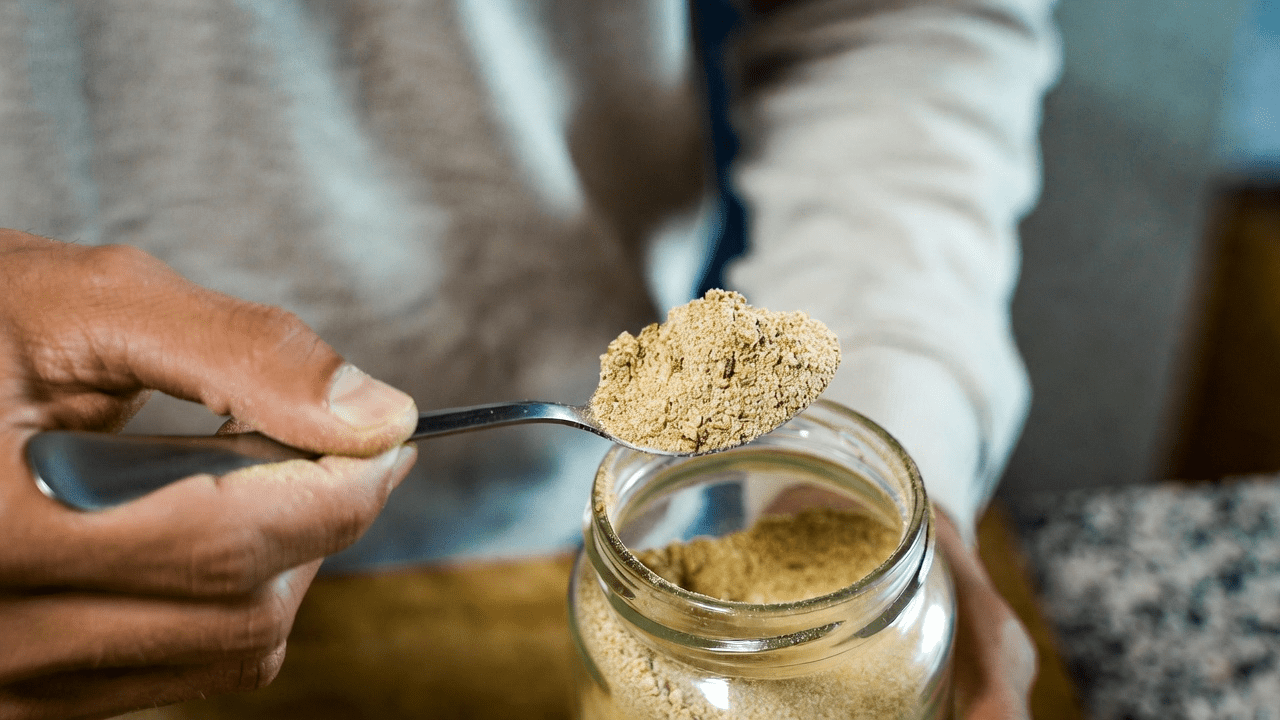
- Powder form: Use 1/4-1/2 teaspoon in recipes
Actionable steps to start today:
- Measure your portions—use a kitchen scale for accuracy if using supplements.
- Begin with small amounts, like one cup of ginger tea in the morning.
- Take breaks every few weeks to give your body a rest.
- Track how you feel and adjust as needed.
Comparing Ginger Forms for Everyday Use
Different forms offer varying potency. Here’s a quick comparison:
| Form | Typical Amount per Serving | Best For | Notes |
|---|---|---|---|
| Fresh Ginger | 1-inch piece (about 5-10g) | Cooking, tea | Milder flavor, easy to control |
| Dried Powder | 1/2 teaspoon (1g) | Baking, supplements | More concentrated |
| Ginger Tea Bags | 1 bag (1-2g) | Convenience | Check for added ingredients |
| Supplements | 500-1000mg capsule | Precise dosing | Choose reputable brands |
This helps you choose what fits your routine while staying within safe limits.
But remember, individual responses vary.
When to Consult a Professional
If you fall into any higher-caution group—such as taking medications for blood thinning, blood sugar, or blood pressure—talk to your doctor before increasing ginger intake.
They can help tailor advice to your needs.
Conclusion
Ginger remains a flavorful, natural option that supports well-being for many people when used thoughtfully. By understanding potential precautions and starting moderately, you can decide if it fits your lifestyle comfortably.
Stay attuned to your body’s signals, and enjoy the warmth ginger brings—safely.
Frequently Asked Questions
How much ginger is considered safe daily for most adults?
Research suggests up to 4 grams of dried ginger (or equivalent fresh) is generally safe, but starting lower and monitoring is best.
Can ginger interact with common medications?
Yes, it may affect blood thinners, diabetes drugs, or blood pressure medications. Consult your healthcare provider.
Is ginger tea safe during pregnancy for nausea?
Moderate amounts (up to 1 gram daily) are often supported by studies, but always check with your doctor first.
Disclaimer: This article is for informational purposes only and is not medical advice. Ginger and other natural remedies are not intended to diagnose, treat, cure, or prevent any disease. Please consult a qualified healthcare professional before making changes to your diet or starting any supplement, especially if you have health conditions or take medications.


