
Many adults over 50 start noticing small shifts in their vision that build up over time. Holding reading material farther away becomes common, glare from lights feels more bothersome during evening drives, and eyes tire quicker after looking at screens. These changes often tie back to natural aging in the retina, where oxidative stress and inflammation play a role. But here’s the encouraging part: research is exploring how certain nutrients from food might offer supportive benefits. Keep reading to learn about one spice that’s catching attention in studies—and a simple way you could explore it yourself.
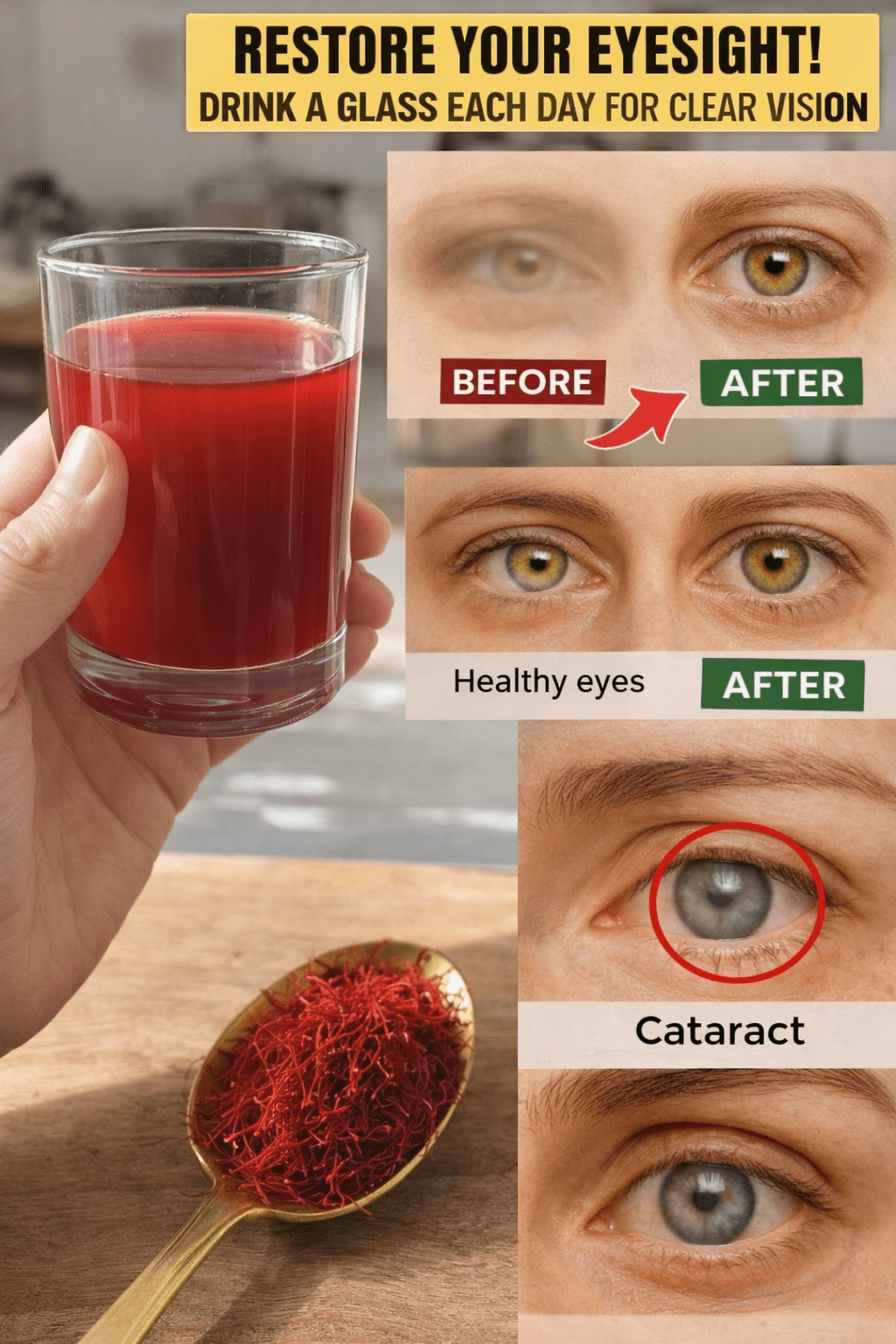
Why Vision Naturally Changes with Age
As we enter our 50s and beyond, the macula—the part of the retina handling sharp central vision—faces increasing stress from daily factors like blue light exposure and normal cellular wear.
Studies show that age-related macular degeneration (AMD) affects millions worldwide, with prevalence rising as we get older. For instance, global estimates suggest around 200 million people live with some form of AMD, and rates climb significantly after age 60.
Many people try common approaches like reducing screen time or taking standard eye nutrients, but outcomes can differ from person to person.
That’s because eyes benefit from broad protection against ongoing stress. This is where saffron comes in. Known for centuries in cooking and traditional practices, modern research is looking at its natural compounds, like crocin and crocetin, for their antioxidant effects.
But that’s not all—let’s dive into what studies have found so far.
8 Ways Research Suggests Saffron May Support Eye Health
Clinical trials, often using 20-30 mg of saffron daily, have explored its potential role. Here’s a summary of key findings from peer-reviewed research:
- Improved Retinal Sensitivity: Several studies, including ones from Italian researchers, noted better retinal flicker sensitivity—a measure of macular function—in people with early AMD after short-term use.
- Enhanced Visual Sharpness: Participants in randomized trials saw gains in visual acuity, sometimes reading extra lines on eye charts after a few months.
- Protection Against Light Stress: Lab research shows crocin helping shield retinal cells from damage linked to bright light exposure.
- Better Contrast and Color Perception: Many trial participants reported clearer details and more vibrant colors in daily life.
- Support for Blood Flow: Compounds like crocetin may aid circulation, helping deliver oxygen and nutrients to eye tissues.
- Reduced Inflammation Signs: Saffron’s antioxidants appear to calm low-grade inflammation associated with aging eyes.
- Increased Macular Pigment: Some studies found saffron boosting macular pigment density, a natural protective layer in the retina.
- Potential Comfort for Dry Eyes: Emerging evidence points to benefits for maintaining eye moisture and reducing irritation.
These observations come from trials published in journals like BMJ Open Ophthalmology and Investigative Ophthalmology & Visual Science. Impressive, isn’t it?
Here’s a quick comparison to give context:
| Option | Typical Monthly Cost | Time to Notice Changes in Studies | Key Focus | Notes |
|---|---|---|---|---|
| Lutein/Zeaxanthin Supplements | $20-30 | 6-12 months | Builds macular pigment | Well-researched, often combined |
| Bilberry Extract | $25-40 | 4-8 months | Antioxidant support | Popular for low-light vision |
| AREDS-Style Formulas | $30-50 | Variable | Multi-nutrient blend | Recommended for higher-risk individuals |
| Saffron (20-30 mg/day) | $15-30 | 3-6 months | Broad antioxidant action | Can add flavor to food, growing research |
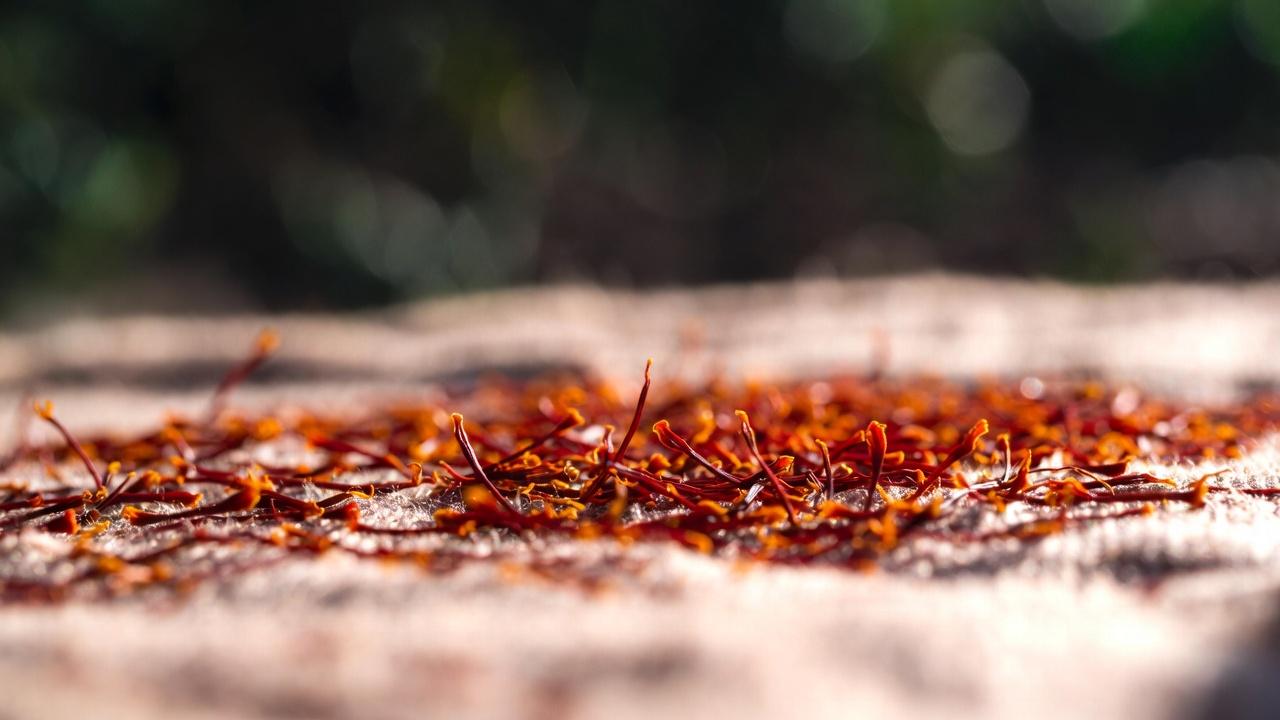
What Studies Say About Trying Saffron
In one longer-term trial with over 90 participants taking 20 mg daily for a year, retinal function measures stayed stable, even for those already using other nutrients.
Another review of multiple studies highlighted modest improvements in visual function for mild to moderate cases.
Participants often shared positive experiences with everyday tasks, like reading or driving at dusk.
One tip from research: Pairing saffron with a bit of healthy fat, such as in a meal with olive oil, may help absorption.
But the real question is—could this fit into your routine?
A Gentle 90-Day Approach to Exploring Saffron
If you’re interested, consistency matters most. Many studies used this pattern:
- Weeks 1-4: Start with 20 mg daily, taken with a fat-containing meal (like eggs or nuts).
- Weeks 5-8: Continue the same dose, tracking how your eyes feel during normal activities.
- Weeks 9-12: Keep going and note any differences in clarity or comfort.
Quality saffron threads or reputable supplements for 90 days might cost $40-60.
Choose tested sources for purity, and consider steeping threads in warm water or milk for easy use.
This isn’t about quick fixes—it’s about gentle, ongoing support alongside habits like regular eye exams.
Wrapping It Up: Small Steps for Long-Term Eye Comfort
Research on saffron offers an exciting glimpse into how an ancient spice might play a supportive role in eye health as we age. From better retinal responses to enhanced daily vision in trials, the findings are promising.
Pairing it with balanced meals, UV protection, and check-ups could make a meaningful difference.
Which part resonates most—brighter colors, less glare, or just feeling more confident with your sight?
Frequently Asked Questions
- What dose of saffron do studies commonly use for eye support?
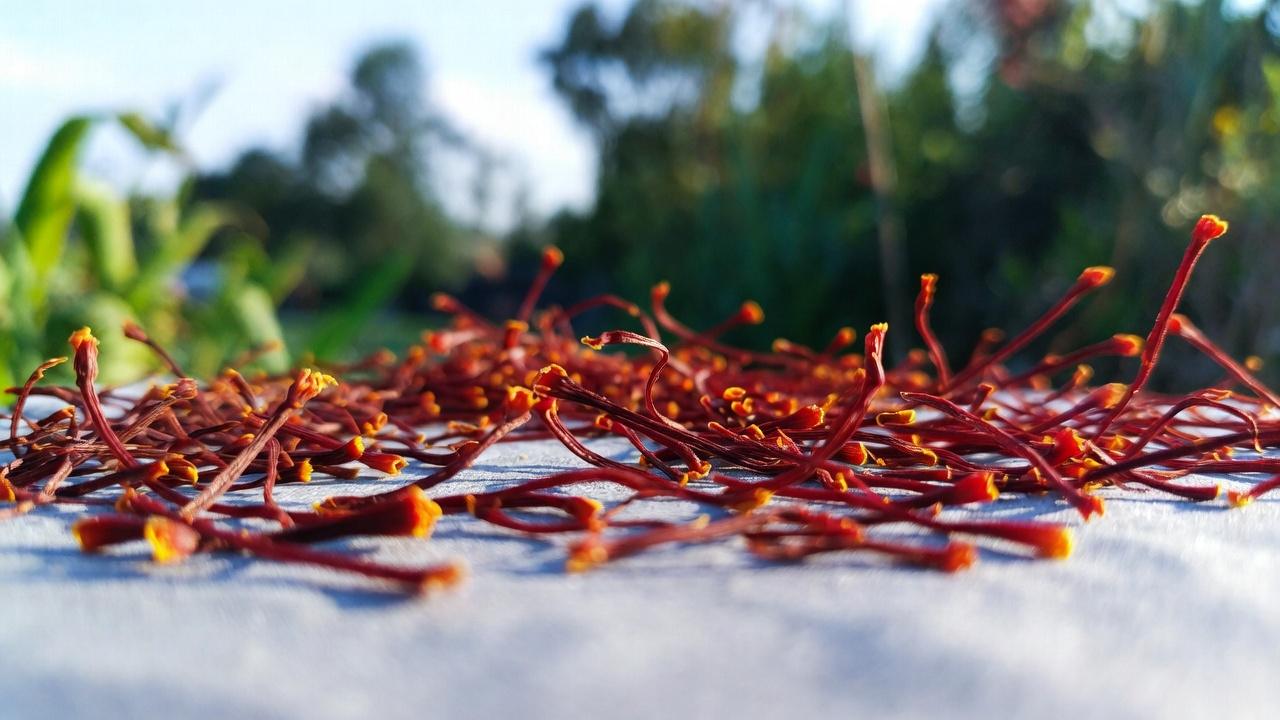
Most research involves 20-30 mg daily, about a small pinch of quality threads. - Is saffron generally safe for daily use?
Trials report it’s well-tolerated at studied doses, with few mild side effects noted. Always start low and pay attention to how you feel. - Can I use saffron from cooking instead of supplements?
Absolutely—infuse threads into dishes or drinks with some fat for potential better uptake. It adds wonderful flavor too.
Disclaimer: This article is for informational purposes only and is not medical advice. Individual experiences vary, and saffron is not intended to diagnose, treat, cure, or prevent any disease. Consult your eye care professional before trying new supplements, especially if you have health conditions or take medications.
(Word count: 1,248)


