
Aphids can quickly appear on your favorite plants, clustering on tender new growth and leaving leaves curled or sticky. This not only affects the look of your garden but also makes it harder for plants to thrive, which can feel frustrating after all the care you’ve put in. The good news is there are gentle, natural ways to manage them using everyday items you likely have at home. Keep reading to discover a surprisingly effective approach that many gardeners swear by.
Why Aphids Can Be a Challenge for Gardeners
These tiny insects reproduce quickly, leading to large groups in no time. They feed on plant sap, which can weaken stems and cause distorted growth. Research from university extension services notes that aphids also leave behind a sticky substance that attracts ants and encourages mold.
It’s common to feel discouraged when you spot these signs on roses, vegetables, or herbs. Many home gardeners try to stay away from strong chemicals to protect pollinators and family. But natural options can help restore balance without those concerns.
You’re already taking a smart step by learning more—let’s dive into what works.
Benefit 1: Quick Reduction in Visible Aphids
One of the fastest ways to disrupt aphids is with a strong blast of water from your hose. This physically knocks them off leaves and stems.
Gardeners often notice fewer pests within a day or two after doing this regularly. Studies on organic pest management show that consistent water sprays can significantly lower populations without harming plants.
Imagine checking your plants and seeing clear improvement so soon. This method is especially helpful early in the season.
But that’s just the start—there’s more to building stronger defenses.
Benefit 2: Supporting Healthier Plant Growth
Neem oil, derived from neem tree seeds, is a popular natural choice. It interferes with insect feeding and development.
Research from plant science sources indicates that neem helps plants recover vigor by reducing pest pressure. Many gardeners report greener, stronger leaves after a few applications.
Picture your tomatoes or flowers bouncing back with renewed energy. It’s rewarding to see that kind of progress.
Here’s a simple way to use it: Mix 1-2 teaspoons of pure neem oil with a quart of water and a drop of mild soap, then spray lightly.
Progress check: You’re gaining useful knowledge—keep going!
Benefit 3: Safer Options for Families and Pets
Many people prefer methods that avoid synthetic pesticides around children or animals. Natural alternatives like insecticidal soaps made from mild dish soap fit that need.
Environmental studies highlight how gentle soaps suffocate soft-bodied insects on contact while breaking down quickly.
One gardener shared how switching to soapy sprays gave peace of mind during outdoor playtime. It’s a small change with big reassurance.
Bonus tip: Use 1-2 teaspoons of unscented liquid soap per quart of water for an easy homemade mix.
Benefit 4: Cost-Effective Ways to Protect Your Garden
Store-bought pest controls can add up over the season. Home-based solutions often cost much less and use items already in your kitchen.
Gardening surveys suggest many spend $50-100 yearly on sprays alone. Switching to natural repellents like garlic or peppermint can free up budget for new seeds or tools.
Think about redirecting those savings—it’s practical and satisfying.
But that hasn’t covered everything yet…
Benefit 5: Cleaner Looking Plants and Beds
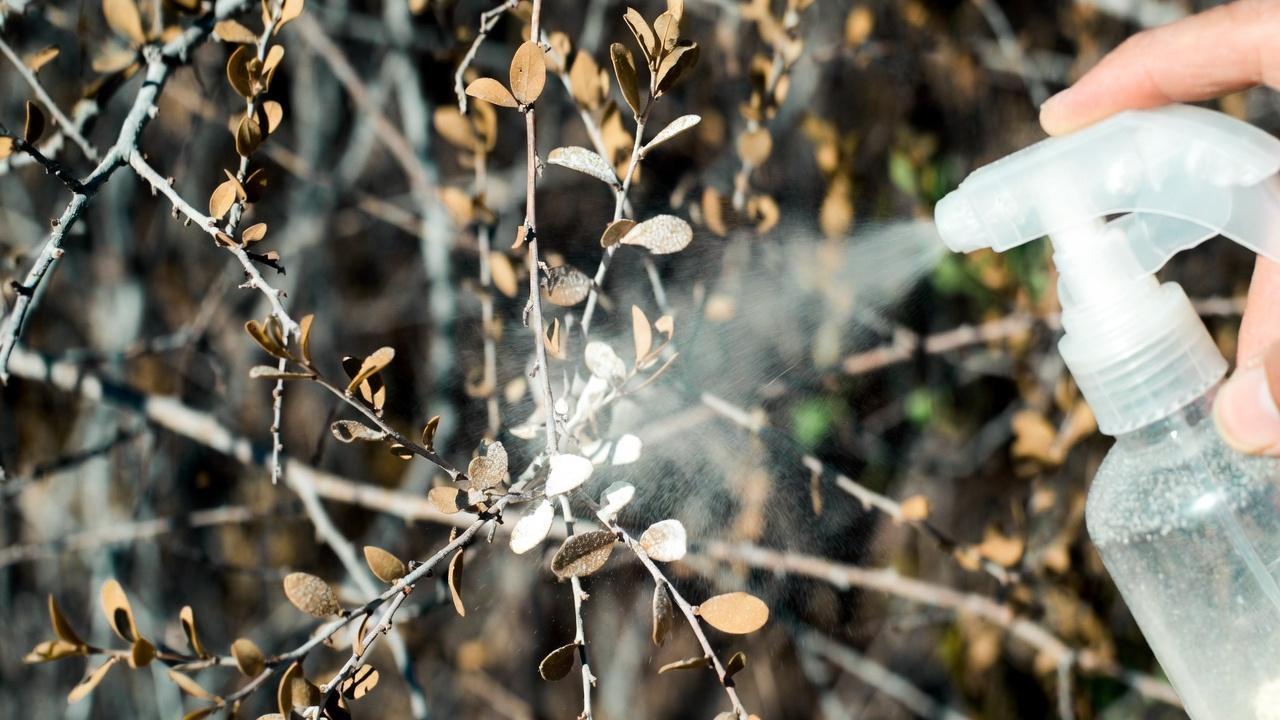
Aphid honeydew creates shiny residue and black mold, making gardens appear messy. Natural deterrents help reduce this buildup.
Strong-scented plants like peppermint or garlic can discourage aphids from settling. Entomology sources note that certain aromas naturally repel these pests.
Your garden stays tidier with less sticky leaves. It’s easier to enjoy the space when it looks fresh.
Insider tip: Dilute a few drops of peppermint essential oil in water for a refreshing spray.
Benefit 6: More Enjoyable Time Outdoors
Pests can make relaxing in the yard less appealing. Companion planting with flowers like marigolds creates a welcoming barrier.
Horticulture research supports using marigolds near vegetables for their repellent properties. Many families report spending more time outside once issues decrease.
Rate your current garden enjoyment—natural methods can shift that higher.
You’re making excellent progress!
Mid-Article Quick Check
Let’s pause for a moment:
- How many benefits have we covered so far? (6)
- What’s your biggest garden concern right now?
- Ready for more practical ideas?
Onward to even stronger strategies.
Benefit 7: Helping Prevent Ants and Other Issues
Aphids and ants often work together, with ants protecting aphids for their honeydew. Breaking that cycle naturally keeps things contained.
Vinegar solutions can disrupt scent trails. Studies show mild acids interfere with insect communication.
This adds an extra layer of calm, especially near patios or doors.
Benefit 8: Promoting Beneficial Insects
Healthy gardens attract ladybugs and lacewings, which feed on aphids. Avoiding harsh chemicals preserves these helpers.
Ecological research emphasizes balanced ecosystems for long-term control. Encouraging predators means less manual work over time.
It’s nature doing some of the job for you.
Benefit 9: Adding Beauty While Deterring Pests
Plants like lavender not only smell wonderful but also deter aphids with their fragrance.
Findings from botanical studies confirm lavender’s role in companion planting. It enhances borders while providing protection.
Visualize colorful, fragrant additions that serve double duty.
Confidence in your gardening skills grows with these wins.
Benefit 10: Saving Time on Maintenance
Constant checking and treating takes hours. Effective natural routines minimize that effort.
Methods like water blasts or preventive planting reduce monitoring needs. Busy gardeners appreciate reclaiming weekends.
More time for family or hobbies—it’s a real lifestyle boost.
Simple 30-Day Plan to Manage Aphids Naturally
Follow this straightforward schedule for noticeable changes:
- Days 1-7: Hose off plants daily and apply mild soapy spray as needed.
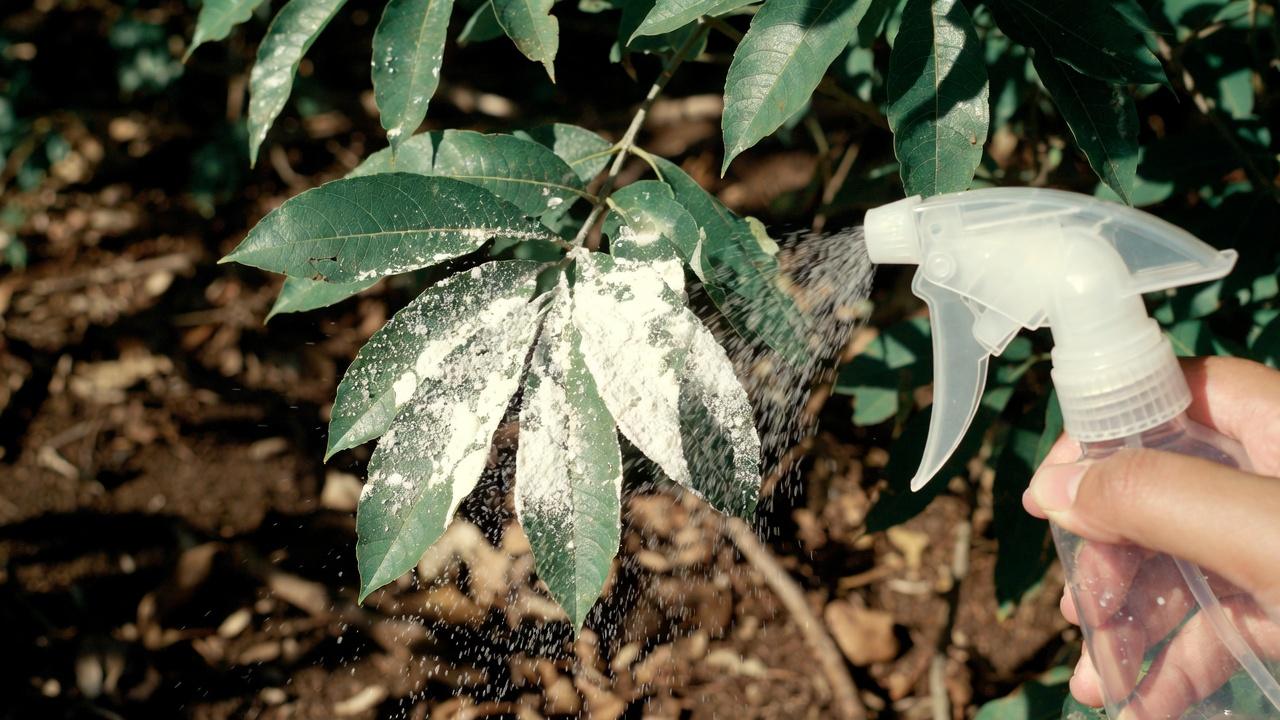
- Days 8-15: Introduce neem oil applications every few days; dust food-grade diatomaceous earth on dry foliage.
- Days 16-22: Plant marigolds or lavender near affected areas.
- Days 23-30: Monitor and maintain with occasional vinegar or peppermint sprays.
Expected outcomes include fewer visible pests, recovering plants, and a more balanced garden.
Comparison of Common Natural Methods
| Method | How It Helps | Ease of Use | Best For |
|---|---|---|---|
| Water Blast | Knocks off aphids physically | Very easy | Quick daily routine |
| Soapy Spray | Suffocates on contact | Easy | Tender growth |
| Neem Oil | Disrupts feeding | Moderate | Ongoing support |
| Companion Plants | Natural repellent | Easy long-term | Prevention |
| Peppermint Spray | Deters with scent | Easy | Clean appearance |
Choose based on your garden’s needs—many combine several for best results.
Final Thoughts: Creating a Thriving Garden Space
Imagine stepping outside to vibrant, healthy plants with minimal pest worries. These natural approaches offer safety, savings, and satisfaction.
Start with one simple step today, like a water rinse or companion planting. Consistent small actions lead to lasting improvement.
You’ve reached the end—great commitment!
Action Steps to Try Now
- Observe your plants closely this week.
- Prepare a basic soapy mix and test on a small area.
- Consider adding a few repellent plants next time you shop.
Frequently Asked Questions
- How soon might I notice changes with these natural methods?
Many gardeners see initial reduction within a few days of consistent water or soap applications, with better control over 1-2 weeks. - Can I use these approaches on vegetable plants?
Yes—options like mild soap sprays, neem, and companion planting are commonly used on edibles; always rinse produce well before eating. - What if aphids come back later in the season?
Regular monitoring, healthy soil, and encouraging natural predators help prevent recurrence; strong plants tend to resist better.
Disclaimer: This article is for informational purposes only and is not a substitute for professional gardening advice. Results can vary depending on conditions; consult local experts for specific situations.


