
Stained or dull teeth from daily habits like drinking coffee, tea, or enjoying colorful foods can leave you feeling less confident about your smile. Over time, these surface discolorations build up, and while regular brushing helps, it sometimes isn’t enough to restore that fresh, radiant look many people desire. Harsh chemical whiteners can cause sensitivity or irritation, prompting more and more individuals to explore gentler, plant-based options. That’s where guava leaves enter the picture as a traditional favorite for oral care, offering a natural way to complement your routine. But the real appeal lies in how straightforward it is to prepare and use them at home—keep reading to discover easy methods that could bring a noticeable freshness to your daily habits.
Why Guava Leaves Are Popular for Oral Wellness
Guava leaves (from the Psidium guajava tree) have long been valued in tropical cultures for supporting mouth health. Rich in natural compounds like flavonoids, tannins, and quercetin, these leaves offer properties that many find appealing for everyday use.
Research has explored how these elements may help inhibit certain oral bacteria linked to plaque. For example, studies suggest guava leaf extracts show activity against bacteria such as Streptococcus mutans, a common contributor to plaque buildup.
Beyond that, the anti-inflammatory aspects from antioxidants could provide soothing support for gums. While not a cure-all, guava leaves are often seen as a gentle addition to brushing and flossing.
But that’s not all—emerging research highlights their potential as a natural adjunct in oral care routines.
What Science Says About Guava Leaves and Oral Health
Interest in guava leaves for dental support has grown, with several studies examining their effects.
One clinical trial found that a mouthrinse made with guava leaf extract helped reduce plaque and gingivitis scores when used alongside regular oral hygiene, showing results comparable to some standard options in short-term use.
Another review points to guaijaverin, a key compound in the leaves, for its potential to limit bacterial adhesion on tooth surfaces.
Here’s a quick comparison of traditional practices and modern findings:
- Antibacterial Support — Traditional chewing for fresh breath | Studies show inhibition of plaque-related bacteria like Streptococcus mutans
- Soothing Properties — Used for gum comfort | Flavonoids may help ease inflammation
- Plaque Management — Natural rinsing | Some trials indicate reduced plaque buildup
- Breath Freshening — Daily use | Antimicrobial effects target odor sources
These insights come from sources like BMC Complementary Medicine and other peer-reviewed journals, adding credibility to why guava leaves remain a topic of interest.
This is the exciting part: you can easily bring these benefits into your own routine with minimal ingredients.
Simple Ways to Prepare Guava Leaves at Home
Here are practical, beginner-friendly recipes using fresh or dried guava leaves.
1. Basic Guava Leaf Mouth Rinse (Daily Favorite)
This method is gentle and covers the entire mouth.
- Collect 5-7 fresh guava leaves (young ones work best) or use dried if fresh aren’t available.
- Rinse them well under clean water.
- Boil 1 cup (200 ml) of water, add the leaves, and simmer for 10 minutes.
- Remove from heat, cool to a safe temperature, then strain.
- Optional: Stir in a tiny pinch of salt for added cleansing feel.
Swish for 30-60 seconds after brushing, twice a day, then spit out. Don’t swallow.
Many enjoy the mild, herbal taste and refreshed sensation.
2. Guava Leaf Paste for Spot Application
For a more focused approach:
- Crush 3-5 fresh leaves into a paste using a mortar or blender.
- Gently apply to teeth and gums with a clean finger or soft brush.
- Leave on for 3-5 minutes.
- Rinse well with warm water.
Try this 2-3 times weekly.
3. Dried Guava Leaf Powder (Convenient Option)
For longer storage:
- Sun-dry fresh leaves until crisp.
- Grind into fine powder.
- Mix a small amount with a pinch of salt if liked.
- Use sparingly on your toothbrush like a gentle powder.
Be soft to avoid any abrasion on enamel.
Here are visual ideas of the key ingredients and preparation steps:
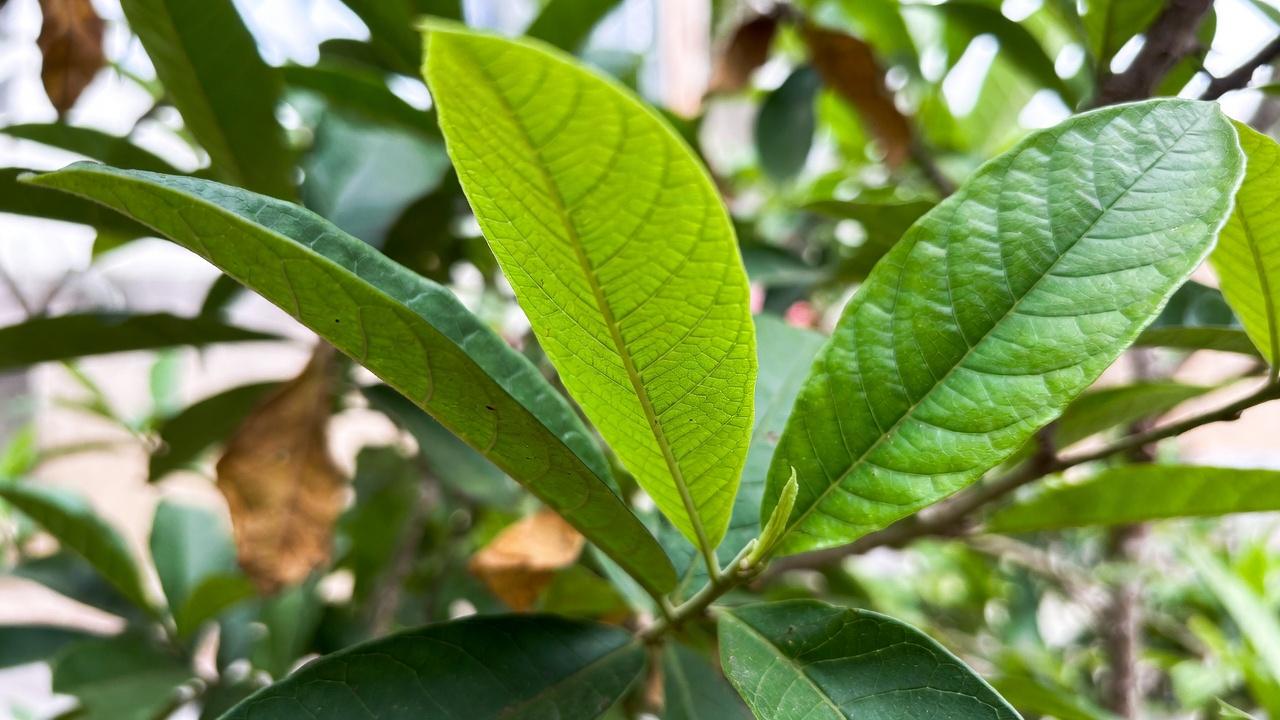
This shows fresh guava leaves ready for rinsing—notice the vibrant green color and natural texture.
And here’s another view during the drying process:
See how the leaves crisp up under natural sunlight for powder making.
Potential Benefits People Often Notice
Users who add guava leaves regularly share positive experiences, supported by traditional use and preliminary studies:
- Helps maintain cleaner-feeling surfaces through antibacterial support
- Offers gentle comfort for gums
- Promotes natural freshness without strong flavors
- Contributes to a shinier appearance over time by aiding stain management
- Provides antioxidant elements for overall mouth wellness
Consistency matters—many report a fresher feel after a few weeks.
Practical Tips to Make It Work for You
To get the best from this habit:
- Choose fresh, clean leaves (organic if possible) for optimal quality.
- Use the rinse after meals for ongoing freshness.
- Always pair with flossing to clear between teeth.
- Start slow (2-3 times weekly) if your mouth is sensitive.
- Keep prepared rinse refrigerated for up to 3 days.
- Support with a diet lower in sugars for better oral balance.
The mild taste makes it easy to stick with long-term.
Wrapping It Up
Guava leaves provide an accessible, time-honored way to enhance your daily oral care, potentially supporting fresher breath, cleaner feel, and overall mouth comfort through their natural compounds. These simple preparations are budget-friendly and easy to try at home. Give them a consistent go for a few weeks—you might appreciate the gentle addition to your routine.
Frequently Asked Questions (FAQ)
How often can I use guava leaf preparations safely?
Start with 2-3 times a week, or daily as a rinse if comfortable. Pay attention to how your mouth responds and adjust accordingly.
Do guava leaves replace regular toothpaste?
No, they’re best as a supplement. Keep using fluoride toothpaste for complete protection against cavities.
Are there any precautions with guava leaves?
Generally considered safe for most, but discontinue if irritation occurs. Check with a professional if you have sensitivities.
Disclaimer: This content is for informational purposes only and not meant to diagnose, treat, cure, or prevent any condition. Natural options like guava leaves may support oral wellness but are not substitutes for professional dental care. Consult your dentist or healthcare provider before starting new practices, especially with existing oral issues.
(Word count: ~1350)


