
Many people struggle with occasional digestive discomfort, like bloating after meals or irregular bowel habits, while also dealing with everyday stress that affects overall well-being. These common issues can make daily life feel draining, especially when simple habits don’t provide lasting relief. Fortunately, nature offers time-tested options worth exploring, and one standout is a plant long valued in traditional systems. But there’s more to this story than meets the eye—keep reading to uncover how everyday observations and emerging research are shedding light on its potential role in supportive routines.

What Is Nagarmotha and Why Is It Gaining Attention?
Nagarmotha, scientifically known as Cyperus rotundus and commonly called nutgrass or purple nutsedge, is a perennial plant found in tropical and subtropical regions worldwide. Often viewed as a persistent weed in gardens and fields, its underground tubers have been harvested for centuries in traditional medicine practices across Asia, the Middle East, and Africa.
In Ayurveda, it’s known as Mustaka or Nagarmotha and features prominently in formulations for supporting balance. Traditional Chinese Medicine and Unani systems also incorporate it for similar purposes. What draws modern interest is the growing body of research exploring its natural compounds, including sesquiterpenes, flavonoids, and polyphenols.
Studies suggest these elements contribute to various properties, such as antioxidant activity that helps protect cells from everyday oxidative stress.
The Science Behind Nagarmotha: What Research Shows
Modern investigations have examined the tubers of Cyperus rotundus, revealing a rich profile of bioactive compounds like cyperene, cyperotundone, and essential oils. Research reviews highlight its potential in areas like supporting digestive comfort and providing antioxidant support.
For example, lab and animal studies have noted anti-inflammatory effects through pathways similar to those targeted in common wellness approaches. Antioxidant properties stand out too, with polyphenols showing promise in neutralizing free radicals—comparable to those found in many plant-based foods.
While much of this comes from traditional knowledge backed by preliminary scientific work, human studies remain limited, and more research is needed to fully understand these effects.
But that’s not all—its broad presence in traditional systems points to a long history of observational use.
Key Potential Benefits Explored in Studies and Tradition
Nagarmotha is praised for its versatility in supporting multiple aspects of daily wellness. Here’s a closer look at some commonly discussed areas:
- Digestive Support Traditionally used to ease occasional bloating, gas, and sluggish digestion. Compounds may help stimulate natural enzyme activity and promote comfortable bowel movements.
- Menstrual Cycle Comfort In women’s wellness traditions, it’s included for mild support during cycles, helping with common discomforts like cramps.
- Inflammation and Comfort Preliminary research points to natural compounds that may help manage everyday inflammatory responses in joints or muscles.
- Metabolic Balance Some animal studies suggest it could aid in maintaining healthy weight patterns by supporting fat metabolism and reducing water retention.
- Antioxidant Protection Its polyphenols may contribute to cellular defense against oxidative stress, potentially benefiting skin clarity and overall vitality.
- Stress Adaptation As a mild adaptogen in tradition, it may help the body handle daily stressors for better mood and focus.
Here are practical ways people typically explore Nagarmotha:
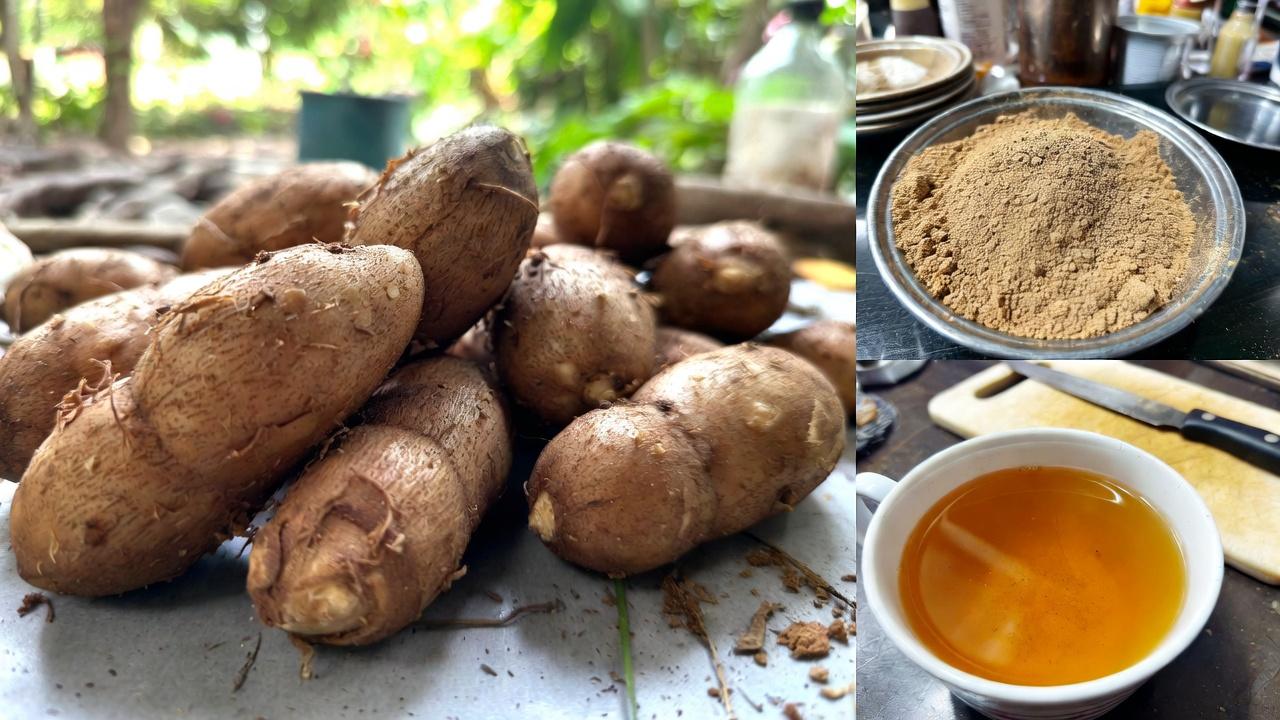
- As a Powder: 1–3 grams mixed with warm water or honey for digestive routines.
- As a Tea/Decoction: Simmer 1 teaspoon of dried tubers for 10–15 minutes to create a soothing infusion.
- Essential Oil: Diluted for topical use in massages for comfort.
- Capsules: Standardized supplements following product guidelines.
Always start with small amounts to see how your body responds.
How to Incorporate Nagarmotha into Your Routine Safely
Ready to try? Follow these simple steps for a basic tea preparation:
- Source high-quality dried Nagarmotha tubers or powder from reputable suppliers.
- Measure 1 teaspoon of the material.
- Boil in 1–2 cups of water for 10–15 minutes.
- Strain and sip warm, perhaps with a touch of honey for taste.
- Use once daily and monitor how you feel over a week.
This approach keeps things straightforward and gentle.
Quick Comparison: Forms of Nagarmotha
- Powder — Versatile for internal use, easy to dose.
- Tea — Gentle, soothing for relaxation and digestion.
- Oil — Best for external application, like massages.
- Capsules — Convenient for consistent daily intake.
Choose based on your preferences and needs.
What People Often Ask About Nagarmotha
Is Nagarmotha safe for daily use? In moderate amounts, it’s generally well-tolerated in traditional contexts, with studies showing low toxicity in tested doses. Start low and observe.
Can it interact with medications? Like many herbs, it may influence certain pathways. Discuss with a healthcare provider if you’re on prescriptions.
Where can I find quality Nagarmotha? Look for organic, lab-tested sources to ensure purity and avoid contaminants.
Final Thoughts
Nagarmotha stands as a fascinating example of how traditional wisdom and emerging science can align. From supporting digestive harmony to offering antioxidant benefits, this resilient plant invites us to look closer at what’s often overlooked in nature. Exploring it mindfully could add a simple, grounding element to your wellness habits.
Disclaimer: This article is for informational purposes only and not intended as medical advice. The statements here have not been evaluated by the FDA. Consult a qualified healthcare professional before adding any new herb or supplement to your routine, especially if pregnant, breastfeeding, or managing health conditions. Individual results may vary.


