
Many people over 40 notice their knees feeling stiffer in the mornings, making it harder to get up from a chair or climb stairs without discomfort. That familiar creaking sound or occasional ache can make everyday activities feel more challenging, and it often leaves you wondering if there’s a natural way to feel more comfortable. But here’s something interesting: a traditional kitchen staple that generations have used might offer some nutritional support for your joints—and we’ll explore why later in this article.

Understanding Common Knee Discomfort in Adults Over 40
As we get older, it’s common for joints, especially the knees, to experience wear and tear. Cartilage, the cushion-like tissue between bones, naturally thins over time due to factors like daily movement, body weight, and even diet.
This can lead to reduced flexibility and more noticeable stiffness. Research shows that many adults over 50 deal with some level of joint changes, often linked to osteoarthritis, a condition affecting millions worldwide.
But that’s not the full story—nutrition plays a role too. Certain foods provide building blocks that your body uses for connective tissues, and one standout option has been gaining attention for its nutrient profile.
Why Bone Broth Is a Traditional Choice for Joint Support
Bone broth, made by slowly simmering animal bones, has been a staple in many cultures for centuries. It’s rich in compounds that break down during cooking, releasing nutrients like collagen, gelatin, glucosamine, and chondroitin—substances naturally found in healthy cartilage.
Studies suggest that collagen peptides may help support joint comfort and function. For instance, some research on hydrolyzed collagen has shown potential benefits for reducing stiffness in people with knee issues.
While bone broth contains lower amounts compared to concentrated supplements, it’s a whole-food source that’s easy to digest and absorb.
Here’s a quick look at key nutrients in homemade bone broth:
| Nutrient | Potential Role in Joint Health |
|---|---|
| Collagen/Gelatin | Provides amino acids like glycine and proline for connective tissue support |
| Glucosamine | Naturally occurs in cartilage; may help maintain joint lubrication |
| Chondroitin | Supports cartilage structure and elasticity |
| Minerals (e.g., calcium, magnesium) | Contribute to overall bone and joint strength |
Research indicates that these components, when consumed regularly, could play a supportive role in joint maintenance, though results vary by individual.


Potential Ways Bone Broth May Support Your Joints
People have turned to bone broth for its nourishing qualities. Here are some areas where it might help, based on available studies:
- Joint Flexibility: Gelatin from collagen may help keep tissues more elastic.
- Comfort During Movement: Some evidence points to reduced daily stiffness with regular collagen intake.
- Natural Inflammation Response: Amino acids like glycine have shown anti-inflammatory properties in lab studies.
- Gut-Joint Connection: A healthier gut lining could improve nutrient absorption for joints.
- Overall Nourishment: It’s hydrating and provides minerals that support bone density.
Keep in mind, while promising, much of the strong evidence comes from collagen supplements rather than broth alone. Bone broth offers a gentler, food-based approach.
But that’s not all—consistency seems key. Many who incorporate it daily notice subtle improvements over weeks or months.
Easy Step-by-Step Guide to Making Homemade Bone Broth
Making bone broth at home is straightforward and uses simple ingredients. Here’s a basic recipe to try:
Ingredients (for about 4-6 cups):
- 2-3 pounds of bones (beef, chicken, or a mix—preferably with joints or marrow for more nutrients)
- 1-2 tablespoons apple cider vinegar (helps extract minerals)
- Vegetables like onions, carrots, and celery (optional for flavor)
- Herbs such as bay leaves or peppercorns
- Enough filtered water to cover everything
Instructions:
- Roast the bones (optional but recommended for deeper flavor): Place in a 400°F oven for 30-45 minutes until browned.
- Transfer bones to a large pot or slow cooker.
- Add vinegar and water to cover by 2 inches. Let sit for 30 minutes.
- Bring to a gentle boil, then reduce to a low simmer.
- Skim any foam from the top.
- Simmer for 12-24 hours (longer for richer broth).
- Add vegetables and herbs in the last 2 hours.
- Strain and cool. Refrigerate to skim fat if desired.
Store in the fridge for up to 5 days or freeze portions.

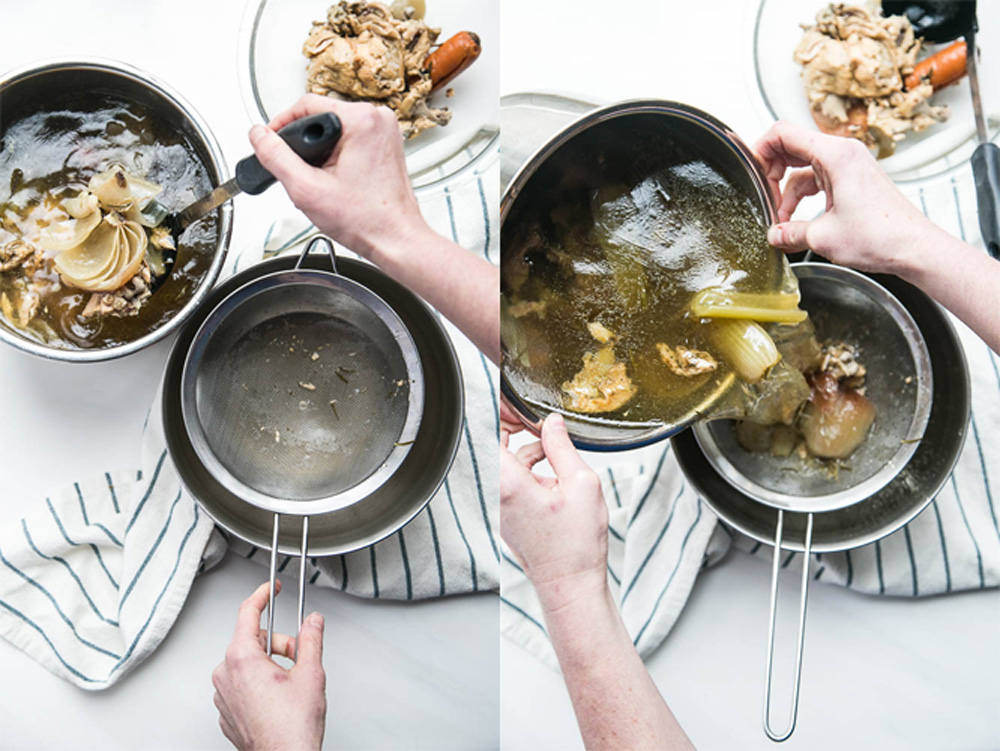
This method maximizes nutrient release while keeping things simple.
Tips to Get the Most from Your Bone Broth Habit
To make it even more supportive:
- Drink 1 cup warm daily, perhaps in the morning.
- Use it as a base for soups or to cook grains.
- Add anti-inflammatory extras like turmeric or ginger.
- Combine with other habits: Stay active with walking or swimming, eat plenty of fruits and veggies, and maintain a healthy weight.
- For vegetarians: Try mushroom or vegetable-based broths with added seaweed for minerals.
Start small if you’re new to it—½ cup per day—and build up.
Complementary Habits for Better Joint Comfort
Bone broth works best alongside a balanced lifestyle:
- Regular low-impact movement like yoga or swimming
- Anti-inflammatory foods: Berries, leafy greens, fatty fish
- Adequate sleep for natural repair
- Hydration throughout the day
These simple changes can add up over time.
Conclusion: A Nourishing Addition to Your Routine
Incorporating homemade bone broth is an easy, traditional way to provide your body with joint-supporting nutrients. While it’s not a quick fix, many find it a comforting habit that fits seamlessly into daily life. Paired with healthy movement and diet, it could help you stay more active and comfortable as you age.
Frequently Asked Questions
How long should I simmer bone broth for best results?
12-24 hours on low heat extracts more nutrients, but even 8 hours works well.
Can bone broth replace joint supplements?
It’s a food source with similar compounds but lower concentrations—think of it as supportive nutrition rather than a direct replacement.
Is bone broth safe for everyone?
Generally yes, but if you have high cholesterol, skim the fat. Consult your doctor if you have dietary restrictions.
This article is for informational purposes only and is not intended as medical advice. Always consult a healthcare professional before making dietary changes, especially if you have joint concerns or health conditions.


