
Modern daily life often feels like a constant battle against stubborn stains, lingering odors, and the high cost of specialized products that clutter our cabinets. These small frustrations accumulate over time, creating a sense of overwhelm as you search for simpler and more sustainable ways to maintain your lifestyle without relying on harsh industrial chemicals. Sodium bicarbonate, commonly known as baking soda, is a versatile powerhouse that can simplify your routine in ways you might not expect. While most people only use it for baking cookies, the final technique in our list is a mini spa secret that could completely change how you recover from a stressful week.

The Science Behind the Versatility of Baking Soda
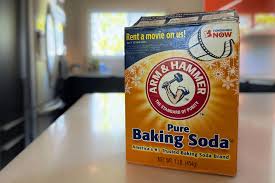
Baking soda is much more than a simple kitchen ingredient. Scientifically known as sodium bicarbonate, it acts as a mild alkaline compound that can neutralize pH levels effectively. Research from the American Chemical Society highlights its gentle abrasive and deodorizing properties, making it a reliable choice for various household applications.
The beauty of this white powder lies in its simplicity. Because it is a natural substance, it offers an eco friendly alternative to many synthetic cleaners. Many women are now returning to these traditional methods to reduce the chemical load in their homes.
Here is the interesting part. Since it is so affordable, you can experiment with these tricks without breaking your budget. Let us explore how you can integrate this staple into your daily life.
Elevating Your Personal Care Routine Naturally
Many high end beauty products contain baking soda as a key ingredient due to its purifying nature. You can achieve similar results at home with just a few simple steps.
Trick 1: A Natural Solution for Fresh Breath
Maintaining oral hygiene is a top priority, but many mouthwashes contain alcohol that can dry out the mouth. You can create a gentle rinse by mixing a half teaspoon of baking soda with a glass of water. Swish the solution for 30 seconds to help neutralize odors caused by acidic foods.
Studies suggest that alkaline substances like baking soda support a balanced environment in the mouth. It is an easy way to feel refreshed after a long day of meetings or coffee.
Trick 2: Gentle Skin Exfoliation
Dead skin cells can make your complexion look dull and tired. To fix this, create a thick paste using three parts baking soda and one part water. Apply it to damp skin in circular motions, focusing on rough areas like elbows or knees.
Dermatological insights indicate that mild abrasives help in removing surface debris without causing significant irritation for most skin types. However, you should always perform a patch test on a small area first to ensure your skin reacts well.
Trick 3: Clarifying Your Hair from Product Buildup
If you use hairspray, dry shampoo, or gels, your hair might feel heavy or greasy even after washing. You can add a teaspoon of baking soda to your regular shampoo portion once a week. This helps strip away residue that standard shampoos might miss.
Hair care experts often recommend this to restore natural shine. Following up with a good conditioner is essential to keep the strands hydrated and soft.
Trick 4: Soothing the Skin with a Calming Bath
After a long day, your skin might feel tight or itchy due to environmental factors. Adding a cup of baking soda to a warm bath can provide a calming experience. This practice has been used for generations to soften the water and soothe the body.
This is especially helpful during seasonal changes. It provides a moment of peace while caring for your skin’s texture.
Professional Maintenance for Your Wardrobe and Accessories
Your belongings deserve careful maintenance to last longer. Baking soda provides a non toxic way to keep your clothes and accessories in top condition.
Trick 5: Keeping Makeup Brushes Hygienic
Dirty makeup brushes can harbor bacteria and lead to skin breakouts. To clean them, mix baking soda with a drop of mild soap in warm water. Swirl the brushes gently, rinse them thoroughly, and lay them flat to dry.
Beauty professionals emphasize regular cleaning to ensure makeup applies smoothly. This simple habit keeps your tools as good as new.
Trick 6: Brightening Your Nails at Home
Constant use of dark nail polish can sometimes leave nails looking slightly stained. You can dip a damp toothbrush into baking soda and gently scrub your nails for a minute. This acts as a mild polish that brightens the appearance of the nail bed.
It is a great trick to use between manicures. It keeps your hands looking clean and well groomed without expensive salon treatments.
Trick 7: Eliminating Odors from Footwear
Active lifestyles often lead to moisture buildup in shoes, which causes unpleasant smells. Simply sprinkle a generous amount of baking soda inside your shoes and let it sit overnight. Shake the powder out the next morning.
This works because the powder absorbs the moisture and neutralizes the acid produced by bacteria. It is also quite effective for gym bags and lockers.
Trick 8: Boosting Your Laundry Performance
Hard water can make your laundry feel stiff and look dull over time. By adding half a cup of baking soda to your wash cycle, you can soften the water and help your detergent work more efficiently.
Laundry experts suggest this for keeping whites bright and colors vivid. It is a cost effective way to improve the quality of your wash without extra chemicals.
Expert Solutions for a Pristine Home Environment
A clean home contributes to mental clarity and comfort. These tricks help you tackle common household chores with ease.
Trick 9: Polishing Jewelry to a High Shine
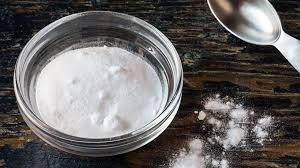
Over time, silver and gold jewelry can lose its luster due to oxidation. You can make a gentle paste with baking soda and water to rub onto your pieces using a soft cloth. Rinse with water and buff dry to see the shine return.
This method is much safer for many metals than harsh chemical cleaners. It allows you to maintain your favorite pieces at home easily.
Trick 10: Refreshing Carpets and Upholstery
Carpets often trap odors from pets or cooking. To freshen them up, sprinkle baking soda over the surface and let it sit for at least 15 minutes before vacuuming. The powder lifts dirt and neutralizes deep seated smells.
For an extra touch, you can mix in a few drops of your favorite essential oil. This creates a custom scent that lingers throughout the room.
Trick 11: Deep Cleaning Cutting Boards
Wooden and plastic cutting boards can absorb smells from onions, garlic, or fish. Sprinkle baking soda on the damp board and scrub it with half a lemon. This combination works to lift stains and eliminate lingering odors.
Maintaining kitchen hygiene is vital for food safety. This natural method ensures your prep surfaces remain fresh and clean.
Innovative Household Management Hacks
Sometimes the most common problems require the simplest solutions. These hacks address specific needs around the house.
Trick 12: Managing Ants in the Kitchen
If you notice a small trail of ants, you can create a bait using equal parts baking soda and powdered sugar. Place it near entry points. While the sugar attracts them, the baking soda works to disrupt their internal systems naturally.
This is a much safer alternative to chemical sprays, especially if you have children or pets in the house.
Trick 13: Maintaining a Fresh Refrigerator
Opening a fridge only to be met with a mix of food smells is never pleasant. Keeping an open box of baking soda on a shelf is a classic move for a reason. It acts as a continuous odor absorber.
Remember to replace the box every three months to ensure maximum effectiveness. It is one of the easiest maintenance tasks you can do.
Trick 14: Tackling Stubborn Pots and Pans
Burnt on food can be a nightmare to scrub away. Apply a layer of baking soda to the bottom of the pan, add a little hot water, and let it soak for an hour. The alkaline nature of the powder helps loosen the grime.
This saves a lot of physical effort during the cleanup process. It is a favorite tip among culinary enthusiasts who love to cook but hate the cleanup.
The Ultimate Self Care Secret
Trick 15: The Restorative Foot Soak
This is the hidden gem mentioned at the start. Dissolve a quarter cup of baking soda in a basin of warm water and soak your feet for 10 to 15 minutes. This process helps soften calluses and refreshes tired muscles after a long day of standing or walking.
To turn this into a full ritual, pair it with a cup of herbal tea and some soft music. It is a simple way to recharge your energy and care for your body simultaneously.
Why Baking Soda is a Sustainable Choice
When we compare baking soda to commercial products, the benefits become very clear.
| Feature | Baking Soda | Commercial Alternatives |
| Cost | Very Low (Under $1) | Moderate to High ($5 to $20) |
| Ingredients | Single, Natural | Complex, Synthetic |
| Versatility | High (15+ uses) | Often Single Purpose |
| Environmental Impact | Minimal | Higher Packaging Waste |
This comparison highlights why so many people are making the switch. It simplifies your shopping list and reduces your environmental footprint.
Summary of Daily Benefits
Incorporating these tricks into your life does not require a major overhaul. It is about making small, intentional changes that lead to a cleaner home and a more balanced personal care routine. Baking soda is truly a versatile ally for every woman.
Frequently Asked Questions
Is baking soda safe for individuals with sensitive skin?
While baking soda is natural, it has a high pH. If you have sensitive skin, always dilute it significantly and perform a patch test on your arm before applying it to your face or body.
How often should I clarify my hair with baking soda?
Once a week or even once every two weeks is usually enough. Using it too frequently can strip away the natural oils your scalp needs to stay healthy.
Can I use baking soda on all surfaces in my house?
It is generally safe for most surfaces, but you should avoid using it on aluminum or very delicate fabrics like silk. Always test a small, hidden area first if you are unsure.
Disclaimer: This article is for informational purposes only. It is not intended to be a substitute for professional medical advice, diagnosis, or treatment. Always seek the advice of your physician or other qualified health provider with any questions you may have regarding a medical condition.


