
Waking up to find your skin covered in angry, red welts that burn and itch can feel like your body is suddenly under attack from an invisible enemy. The persistent stinging and the way these marks seem to travel across your limbs can turn a peaceful morning into a stressful puzzle that leaves you feeling frustrated and uncomfortable in your own skin. While most people reach for the nearest cream, the real answer often lies in understanding the hidden biological switches that your body just flipped. Stay with me, because identifying a few surprising lifestyle factors you might be overlooking today could finally reveal why your skin is reacting this way and how a few simple changes can make a world of difference.
What Is Really Happening When Your Skin Reacts?
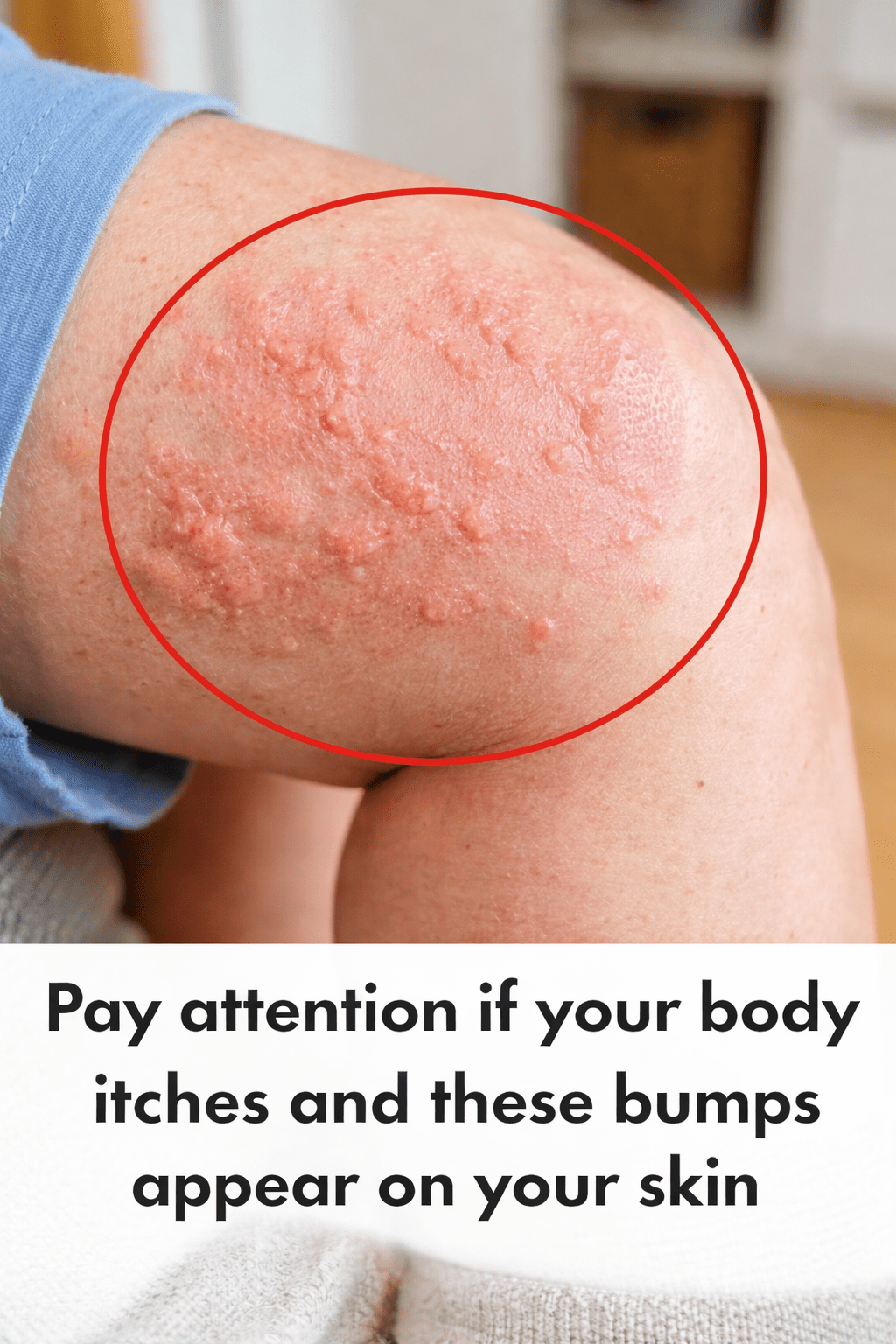
Have you ever wondered why your skin can look perfectly fine one minute and be covered in raised bumps the next? This phenomenon, known as hives or urticaria, is essentially your body’s internal alarm system going off. It is not just a surface-level irritation; it is a complex biological process involving your immune system.
Deep within your skin layers, there are specialized cells called mast cells. Think of these as tiny sentinels on guard. When they detect a perceived threat, they release a chemical called histamine.
The truth is, histamine has a very specific job. It makes your blood vessels expand and become slightly “leaky.” This allows fluid to seep into the surrounding tissue, which creates that characteristic swelling we call a welt.
But here is the kicker: histamine also stimulates your nerve endings. This is why hives don’t just look red; they feel like they are “on fire” or intensely itchy. It is a protective mechanism that has accidentally gone into overdrive.
The Two Main Faces of Skin Flare-Ups
Not all outbreaks are created equal. Understanding which type you are experiencing is the first step toward finding peace of mind. Experts generally categorize these reactions based on how long they linger.
Acute Reactions: The Sudden Guests
Most people deal with acute hives. These are the ones that appear out of nowhere and typically vanish within a few days or weeks. Usually, there is a clear “villain” in the story, such as a specific food you ate or a new laundry detergent you tried.
Chronic Challenges: The Persistent Puzzle
If the welts continue to appear for more than six weeks, they fall into the chronic category. This is where things get a bit more mysterious. In many cases, the external trigger is no longer the main issue.
Instead, the immune system might be staying in a “high alert” state even when no threat is present. This can sometimes be linked to internal factors or the body’s natural defense cycles. It is frustrating, but knowing the difference helps you set the right expectations for management.
Surprising Triggers You Might Be Overlooking
We often blame the obvious things like peanuts or cats. However, research shows that the list of potential triggers is much longer and more surprising than most of us realize.
1. The Role of Temperature Extremes
You might find this hard to believe, but your skin can react simply to a change in the air. For some, a cold breeze or jumping into a chilly swimming pool can cause an immediate reaction.
On the flip side, heat is a very common culprit. This isn’t just about the sun; it’s about your internal body temperature. A hot shower or even the sweat generated during a brisk walk can signal those mast cells to release histamine.
2. Physical Pressure and Friction
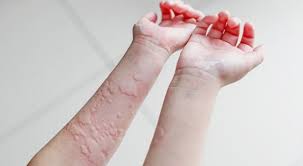
Have you ever noticed welts forming exactly where your bra strap sits or where you carried a heavy grocery bag? This is known as pressure urticaria.
It happens because the physical force on the skin cells can sometimes be enough to “pop” those mast cells open. Even sitting on a hard wooden chair for too long can trigger a reaction on the back of the thighs for sensitive individuals.
3. The Hidden Impact of Emotional Stress
It is often said that the skin is a mirror of our internal state. While stress doesn’t usually “create” hives out of thin air, it acts like gasoline on a fire.
When you are under high emotional tension, your body releases stress hormones like cortisol. These hormones can make your mast cells much more “twitchy” and reactive. This means a trigger that you might normally handle just fine suddenly causes a massive breakout because your system is already on edge.
4. Recent Viral or Bacterial Infections
Sometimes the trigger isn’t something you touched or ate today, but something you fought off two weeks ago. Common colds, sinus infections, or even a mild stomach bug can leave your immune system in a hyper-sensitive state.
As your body cleans up the remnants of an infection, the “alarm system” can stay active, leading to hives that seem to appear for no reason at all.
| Trigger Category | Common Examples | Why It Happens |
| Physical | Tight clothing, cold water, sunlight | Direct stimulation of skin cells |
| Biological | Viral remains, sinus issues | Immune system is on “high alert” |
| Lifestyle | High stress, lack of sleep | Hormonal shifts sensitize mast cells |
| Chemical | Artificial dyes, NSAIDs | Biochemical reaction in the blood |
The “Dermatographism” Mystery
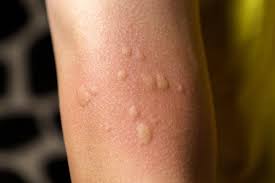
This is one of the most fascinating yet misunderstood types of skin reactions. Have you ever lightly scratched your arm and seen a raised red line appear exactly where your fingernail moved?
This is called “skin writing” or dermatographism. For people with this condition, the skin is so sensitive that even the slightest friction causes a localized release of histamine. It is usually harmless, but it can be quite startling if you don’t know what it is.
Practical Steps to Soothe Your Skin Today
While it is important to identify the root cause, you also need immediate comfort. Here are several evidence-based habits that can help you manage a flare-up and potentially prevent the next one.
- Cool It Down: Use a cool compress or take a lukewarm (not hot) bath. Heat is the enemy of an active hive, so keeping the skin temperature down is vital.
- Choose “Boring” Skincare: When your skin is reacting, it is not the time for scented lotions or complex anti-aging serums. Stick to fragrance-free, hypoallergenic moisturizers that support the skin barrier.
- Wear Loose Fabrics: Switch to 100% cotton clothing. Synthetic fabrics and tight waistbands can create friction and trap heat, both of which prolong the reaction.
- The Oatmeal Trick: Colloidal oatmeal baths are a time-tested way to soothe itchy skin. The phenols in oats have natural properties that help calm surface irritation.
How to Become Your Own Skin Detective
Since many triggers are delayed or cumulative, it can be almost impossible to remember what caused a reaction yesterday. This is why a “Trigger Journal” is your most powerful tool.
You should record:
- Everything you ate or drank in the 12 hours before the flare-up.
- The weather conditions (was it exceptionally humid or cold?).
- Your stress levels on a scale of 1 to 10.
- Any medications or supplements taken (even over-the-counter ones).
After a few weeks, patterns usually begin to emerge. You might notice that your skin only reacts on days when you have both a high-stress meeting and a specific type of processed snack.
When Should You Seek Professional Guidance?
In most cases, hives are a temporary nuisance. However, there are specific signs that your body needs more intensive support.
You should consult a healthcare professional if the hives are accompanied by any swelling of the lips, tongue, or throat. This is a sign that the reaction is moving beyond the skin. Additionally, if the welts are painful rather than itchy, or if they leave behind a bruise-like mark, a professional evaluation is necessary to rule out other underlying conditions.
Frequently Asked Questions
Can I use steroid creams on my hives?
Interestingly, most topical steroid creams are not very effective for hives. This is because the histamine release is happening in the deeper layers of the skin, and the cream often cannot penetrate deeply enough to stop the process. Oral options suggested by a professional are usually more helpful.
Are hives contagious?
Not at all. Since hives are an internal immune response or a reaction to a specific trigger, you cannot “catch” them from someone else, nor can you spread them to others.
Does drinking more water help?
While hydration is great for general skin health, there is no direct evidence that it “flushes out” hives. However, staying hydrated helps your body process metabolic waste and maintain a healthy internal environment, which supports overall immune function.
Final Thoughts
Living with hives can be a test of patience, but remember that your skin is simply trying to communicate with you. By paying attention to the surprising triggers like temperature, pressure, and stress, and by maintaining a simple, cooling skincare routine, you can significantly reduce the discomfort. Your skin is resilient, and with the right approach, you can help it find its balance again.
Disclaimer: This information is for educational purposes only and does not constitute medical advice. Always consult with a qualified healthcare professional for any health concerns or before starting new management routines.


