
You’ve noticed a small bump on your neck that wasn’t there before, or perhaps a tender spot behind your ear that’s making you pause and wonder. It’s a common experience that can spark immediate concern, especially when it feels unfamiliar or persists longer than expected. The uncertainty can linger in your mind, prompting questions about daily habits or recent changes in your routine that might be connected. But understanding the potential reasons behind these lumps can provide clarity and peace of mind— and we’ll uncover one lesser-known factor later that might surprise you.
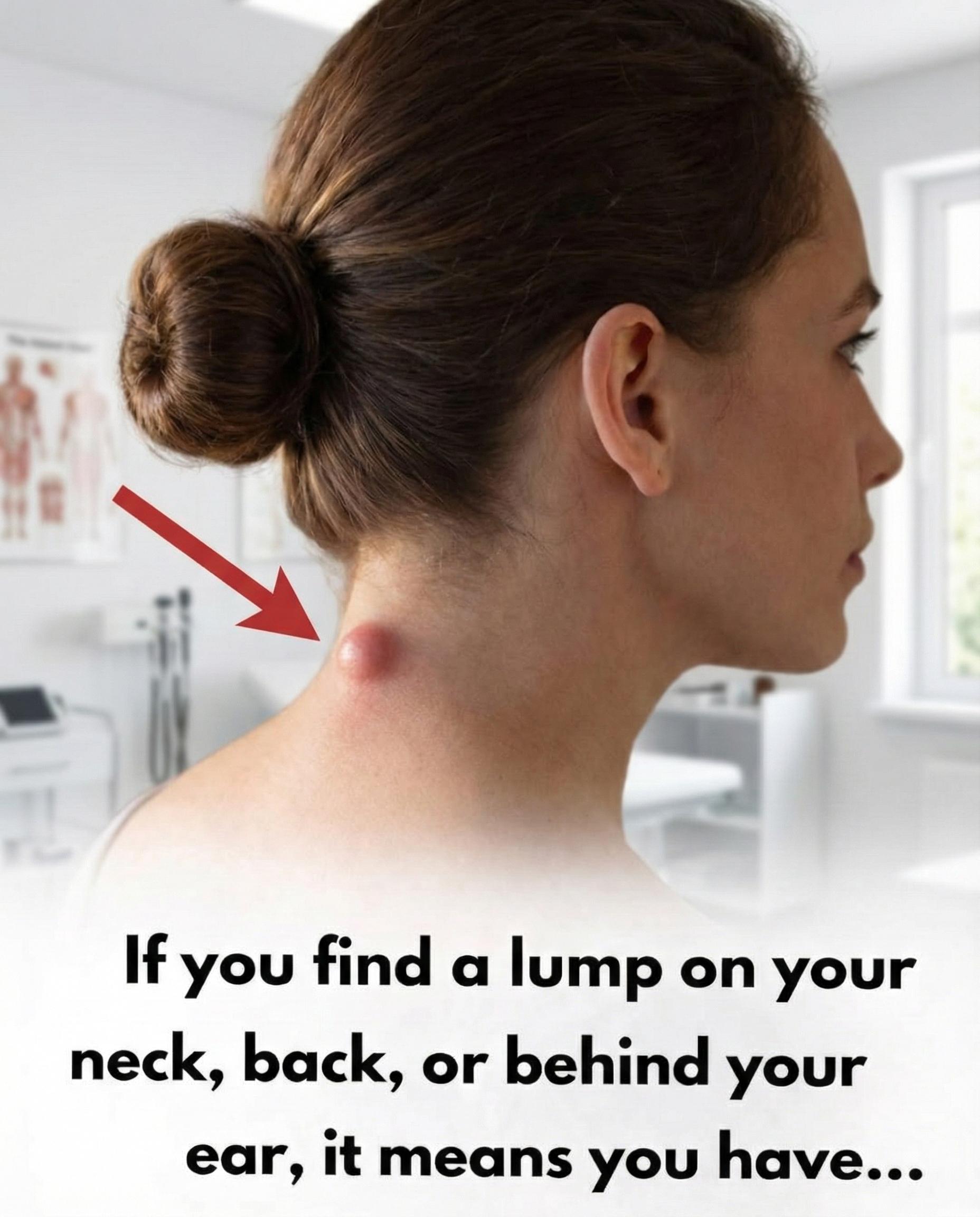
Common Reasons for Lumps in These Areas
Lumps on the neck, back, or behind the ear can stem from various everyday factors. Let’s break it down.
Swollen Lymph Nodes: Your Body’s Natural Response
One of the most frequent explanations is swollen lymph nodes. These small, bean-shaped glands are part of your immune system and can enlarge when fighting off infections.
Research shows that infections like the common cold or sore throat often lead to this swelling. For instance, if you’ve had a recent upper respiratory issue, nodes in the neck or behind the ear might react.
But that’s not all. Dental problems or ear infections can also trigger this response. The good news? They usually resolve as the underlying issue fades.
Skin-Related Issues: From Acne to Boils
Skin conditions are another common culprit. Acne, for example, can form deep cysts or nodules, especially on the back or neck where oil glands are active.
Boils, which are infected hair follicles, might appear as red, painful lumps. These often result from bacteria entering through minor skin breaks.
Here’s something interesting: Allergic reactions to products like shampoo or jewelry can cause irritated lumps behind the ear. Keeping an eye on what touches your skin can make a difference.

Cysts: Benign Growths Under the Surface
Cysts, such as sebaceous or epidermoid types, are fluid-filled sacs that develop from blocked glands.
They feel firm and movable, often appearing on the neck or back. Studies indicate these are harmless in most cases and form due to skin cell buildup.
And get this: Sometimes, they’re congenital, meaning they’ve been there since birth but only become noticeable later.
Other Possibilities: Infections and More
Infections like mastoiditis (behind the ear) or abscesses can create lumps. These might come with fever or pus.
Muscle knots from tension, especially on the back, can mimic lumps too. Poor posture or stress often plays a role here.
When to Pay Closer Attention to a Lump
Not every lump needs immediate action, but certain signs warrant observation.
Red Flags to Watch For
If the lump grows rapidly, becomes painful, or is accompanied by unexplained weight loss, it’s worth noting.
Skin changes over the lump, like redness or ulceration, could indicate something more.
But here’s the key: Persistence beyond a few weeks is a signal to track it closely.

Factors That Influence Lump Development
Your age, overall health, and recent exposures matter. For example, frequent travelers might encounter more infections.
Lifestyle habits, like smoking, can affect lymph node health.
Sự thật là, understanding these can help you connect the dots.
Practical Steps to Monitor and Care for Lumps at Home
You don’t have to wait passively. Here are actionable tips to incorporate into your routine.
Daily Habits for Skin and Immune Support
Start with good hygiene. Gently clean the area with mild soap to prevent irritation.
Apply a warm compress for 10-15 minutes, twice a day, to soothe discomfort.
Stay hydrated and eat nutrient-rich foods to support your body’s defenses.
Tracking Changes Over Time
Keep a simple journal:
- Note the lump’s size using a ruler or app.
- Record any pain levels on a scale of 1-10.
- Photograph it weekly for visual comparison.
This data can be useful if you decide to consult a professional.
Natural Ways to Reduce Tension-Related Lumps
For muscle knots, try these stretches:
- Neck rolls: Slowly circle your head 5 times each way.
- Shoulder shrugs: Lift and lower shoulders 10 times.
- Yoga poses like child’s pose for back relief.
Studies suggest regular movement helps prevent these.
Comparing Common Lump Types: A Quick Guide
To make it easier, here’s a table comparing key features:
| Type | Location | Feel | Common Cause | Duration |
|---|---|---|---|---|
| Swollen Lymph Node | Neck, Behind Ear | Soft, Tender | Infection | 1-2 Weeks |
| Cyst | Neck, Back | Firm, Movable | Blocked Gland | Persistent |
| Boil | Back, Neck | Red, Painful | Bacterial Infection | Days to Weeks |
| Muscle Knot | Back | Hard, Tense | Stress | Variable |
| Acne Nodule | Back, Neck | Deep, Inflamed | Oil Buildup | Weeks |
This overview, based on general medical insights, can help you observe patterns.
But that’s not the end. There’s more to consider about prevention.
Preventing Lumps Through Everyday Choices
Prevention starts with awareness. Maintain a balanced diet to bolster immunity.
Avoid sharing personal items like towels to reduce infection risks.
Here’s a checklist for daily prevention:
- Wash hands frequently.
- Use sunscreen on exposed areas.
- Manage stress with meditation.
- Get regular check-ups.
Research from health organizations emphasizes these habits.
And now, that surprising factor I mentioned earlier: Environmental allergens, like pollen or dust, can trigger lumps more often than you think, especially in seasonal changes. Tracking your surroundings might reveal patterns.
Wrapping It Up: Stay Informed and Proactive
In summary, lumps on the neck, back, or behind the ear often arise from benign causes like infections, cysts, or skin issues. By monitoring changes and adopting healthy habits, you can stay on top of your well-being. Remember, knowledge empowers you to make informed decisions.
Frequently Asked Questions
What should I do if a lump doesn’t go away after two weeks? Observe it for additional changes and consider discussing it with a healthcare provider for personalized insights.
Can stress cause lumps in these areas? Yes, stress can lead to muscle tension knots, particularly on the back, as supported by general wellness studies.
Are there home remedies for reducing lump discomfort? Warm compresses and gentle massage might help with comfort, but they’re not substitutes for professional advice.
This information is for educational purposes only and not intended as medical advice. Always consult a qualified healthcare professional for any health concerns or before making changes to your routine.


