
As we get older, many people notice changes in their eyesight—things like needing more light to read, experiencing occasional dryness, or seeing more difficulty with fine details. These subtle shifts are common, especially after 60, when factors like increased screen time, environmental stressors, and natural aging can contribute to eye strain and discomfort. Studies show that vision impairment affects a significant portion of adults over 65 in the United States, with age-related conditions becoming more prevalent over time. It’s frustrating when everyday activities like reading, driving, or enjoying hobbies start to feel more challenging.
But here’s the encouraging part: incorporating nutrient-rich foods into your routine may help support overall eye health and comfort. In this guide, we’ll explore three simple seeds—chia, flax, and sunflower—that provide key nutrients like omega-3 fatty acids, antioxidants, and vitamin E. These seeds draw inspiration from nutritious dietary traditions and are backed by general research on eye-supporting compounds. Stick around, because toward the end, you’ll find practical ways to add them to your day that could make a real difference in how you feel.
Why Eye Health Matters More After 60
Many adults over 60 report issues like dry eyes, blurred vision, or general discomfort. Research from organizations like the American Academy of Ophthalmology highlights how oxidative stress and inflammation play roles in age-related eye changes. Nutrient deficiencies or lifestyle factors can make these issues more noticeable.
The good news? A balanced diet with foods rich in certain nutrients may help maintain eye comfort and function. Plant-based options like seeds offer accessible ways to get these nutrients without relying solely on supplements.
Seed #1: Chia Seeds – A Source of Plant-Based Omega-3s for Eye Comfort
Chia seeds are tiny but packed with alpha-linolenic acid (ALA), a type of plant-based omega-3 fatty acid. Some studies suggest that omega-3s can support tear production and reduce dryness-related discomfort.
For example, people who add chia seeds to their meals often report feeling more hydrated in their eyes over time. Research on omega-3 intake shows potential benefits for dry eye symptoms in older adults.
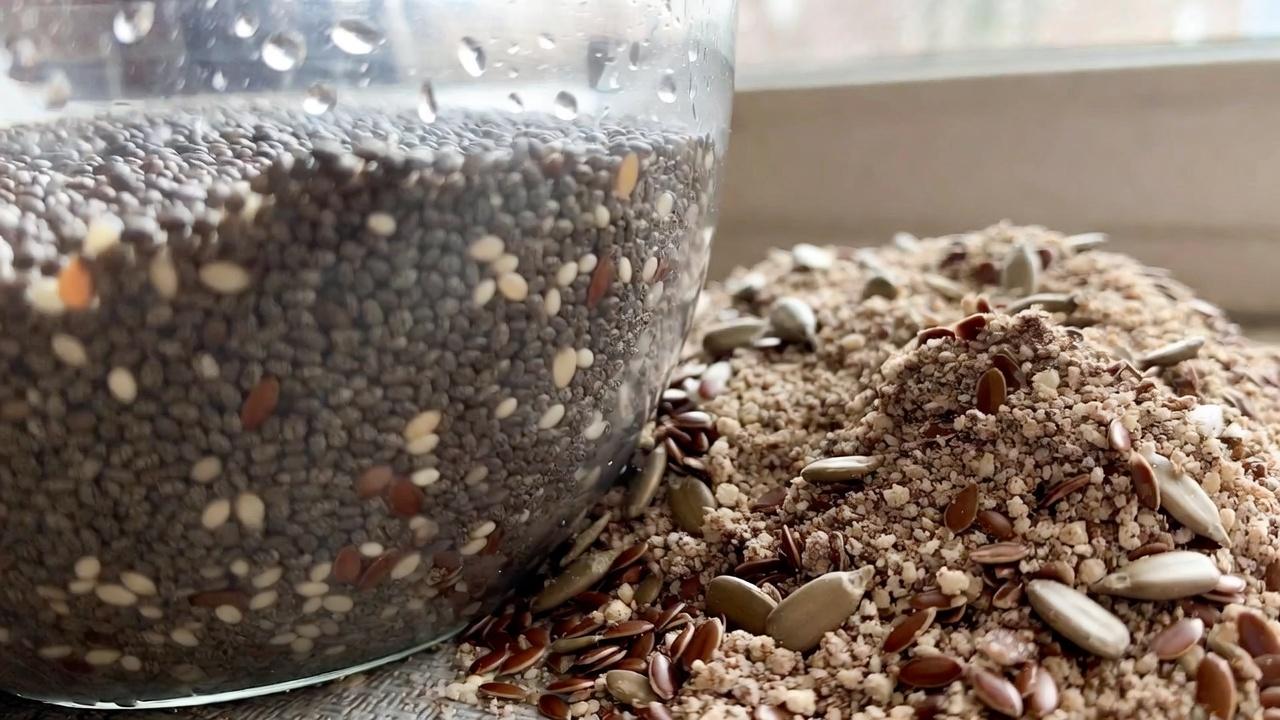
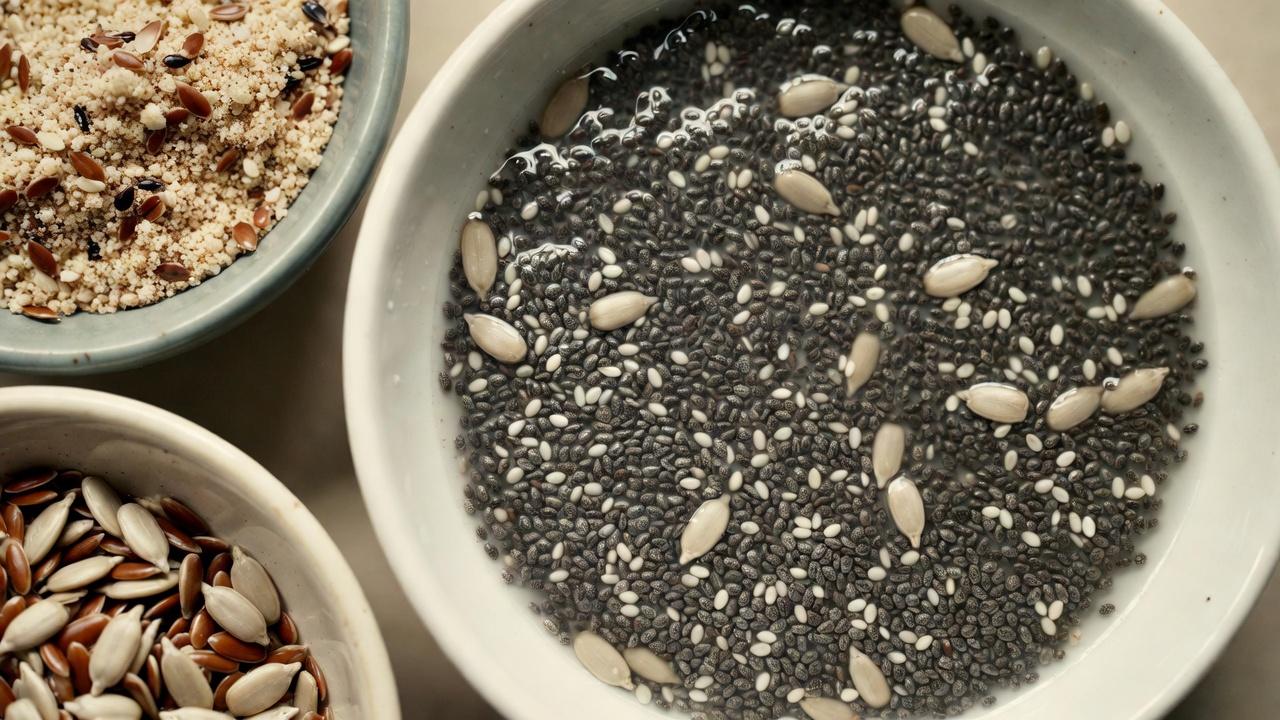
Quick Tip: Soak 1-2 tablespoons of chia seeds in water or plant milk overnight to create a gel-like pudding—perfect for breakfast.
But that’s not all—let’s look at how the next seed complements this.
Seed #2: Flax Seeds – Rich in Omega-3s and Protective Compounds
Flax seeds also deliver ALA omega-3s, often in higher amounts per serving than chia, along with lignans—plant compounds with antioxidant properties. General studies link these nutrients to supporting retinal health by helping combat oxidative stress.
Many people grind flax seeds fresh and add them to smoothies or yogurt. Anecdotal reports from those incorporating them daily note improved eye comfort, though individual results vary.
Pro Tip: Use a coffee grinder to freshly mill 1 tablespoon—freshness helps preserve the nutrients.
You’re already discovering powerful options—now for the third seed that adds another layer of support.
Seed #3: Sunflower Seeds – A Natural Source of Vitamin E
Sunflower seeds stand out for their vitamin E content, a fat-soluble antioxidant that helps protect cells from oxidative damage. The Age-Related Eye Disease Study (AREDS) highlighted how vitamin E, along with other nutrients, may support eye health in those at risk for age-related changes.
A small handful provides a good dose, and pairing it with zinc-rich foods can further support retinal function.
Easy Idea: Lightly roast a quarter-cup and toss into salads or trail mix for flavor and benefits.
Here are some key nutrients these seeds provide:
- Chia Seeds — Omega-3 (ALA): Supports comfort and reduces dryness potential
- Flax Seeds — Omega-3 + Lignans: Helps with oxidative stress protection
- Sunflower Seeds — Vitamin E + Zinc: Aids in cell protection and circulation
How These Seeds Work Together for Better Support
When combined, these seeds create a nutrient synergy—omega-3s for inflammation response, vitamin E for antioxidant action, and lignans for added protection. Research on balanced diets shows that getting a variety of these compounds from food sources may offer broader benefits.
Try this simple “vision-friendly mix”: Combine 1 tablespoon each of soaked chia and ground flax with a handful of sunflower seeds in yogurt or oatmeal.
Simple Ways to Add These Seeds to Your Daily Routine
Here are easy, no-fuss ideas to get started:
- Breakfast — Stir chia into overnight oats for a hydrating start
- Lunch — Sprinkle ground flax over salads or soups
- Snack — Grab a small handful of sunflower seeds
- Dinner — Blend all three into a smoothie with berries for extra lutein
Start with small amounts to avoid digestive discomfort, and increase gradually. Many notice improvements in energy and comfort within a few weeks of consistent use.
Habits That Support Eye Health Alongside Seeds
Pair these seeds with good habits for maximum benefit:
- Stay hydrated to help tear production
- Take regular screen breaks (follow the 20-20-20 rule)
- Get enough sleep—eyes repair during rest
- Eat colorful fruits and veggies for complementary antioxidants
Consistency is key—small daily changes often yield the best results.
FAQ: Common Questions About Seeds and Eye Health
Can I eat these seeds if I have allergies? Always check with your doctor, especially if you have seed or nut allergies. Start small to test tolerance.
Are plant-based omega-3s as effective as fish oil? Plant sources like ALA convert to active forms in smaller amounts, but they still contribute to overall intake. Many people combine both for variety.
How much should I eat daily? Aim for 1-2 tablespoons of chia or flax and 1/4 cup sunflower seeds, spread throughout the day.
This article is for informational purposes only and is not a substitute for professional medical advice. Consult your healthcare provider before making dietary changes, especially if you have existing eye conditions or take medications.


