
As we get older, many people notice subtle changes like occasional tiredness in the legs, reduced energy during daily activities, or a general sense of sluggishness. These can sometimes relate to natural shifts in vascular health and blood flow that occur over time. Factors such as inflammation, oxidative stress, and lifestyle habits may play a role in how smoothly circulation functions. The good news is that incorporating nutrient-rich foods into your routine can offer gentle, everyday support for cardiovascular wellness. In this guide, we’ll explore 14 common fruits backed by research for their potential to promote better blood vessel function and flow—without making any promises of dramatic changes.
One particularly interesting fruit stands out in studies for its unique enzyme content, which has caught the attention of researchers exploring natural ways to support platelet function and vessel health. Keep reading to discover which one it is and how these fruits fit into a balanced approach.
Why Blood Flow Matters More After 50
Maintaining healthy circulation becomes increasingly important with age, as blood vessels may experience gradual changes in flexibility and function. Research highlights that diets rich in antioxidants and certain bioactive compounds from fruits and vegetables are associated with better vascular health, reduced oxidative stress, and support for endothelial function—the inner lining of blood vessels that helps regulate flow.
Studies suggest that compounds like polyphenols, nitrates, vitamin C, and specific enzymes can contribute to vessel relaxation, lower inflammation, and healthier platelet activity. While these effects are generally mild and supportive, they align with broader recommendations for heart-healthy eating patterns, such as those high in fruits.
But that’s just the beginning—let’s look at the fruits that stand out in scientific literature.
Top Fruits for Supporting Circulation
Here are 14 everyday fruits that research has linked to potential benefits for blood flow and vascular wellness. Each offers unique nutrients that may help in different ways.
1. Pineapple – The Enzyme-Rich Option
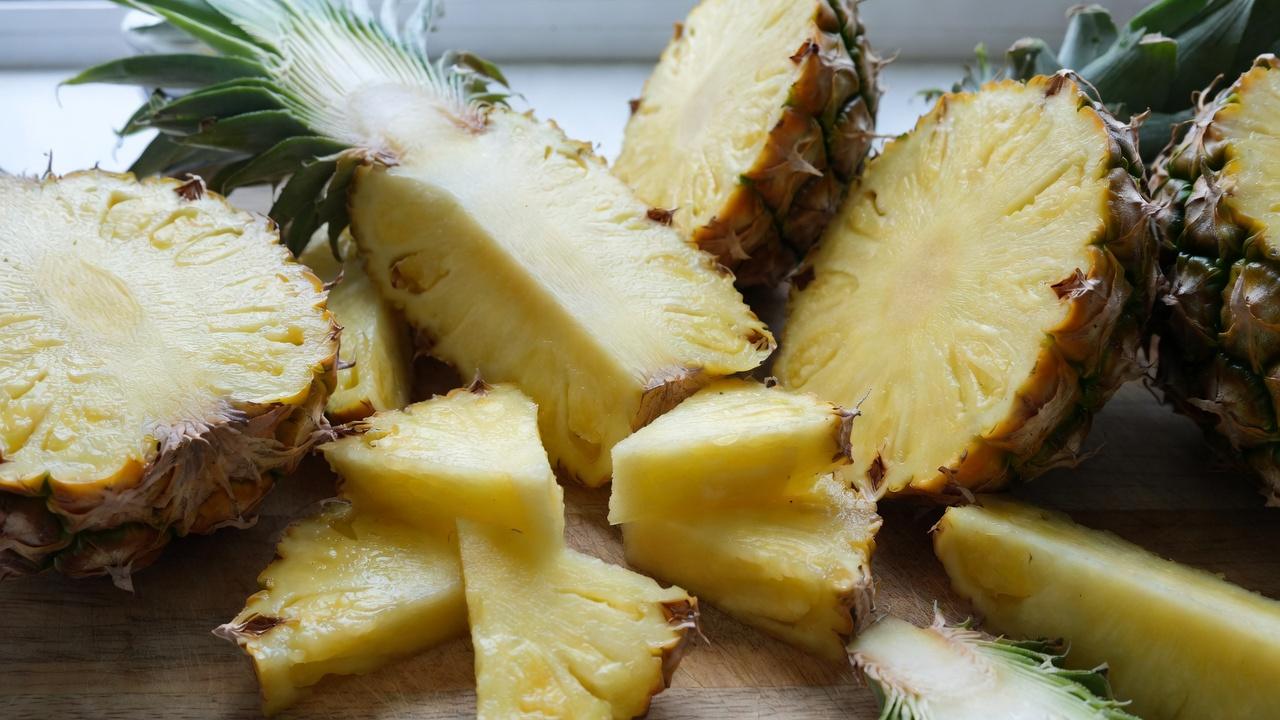
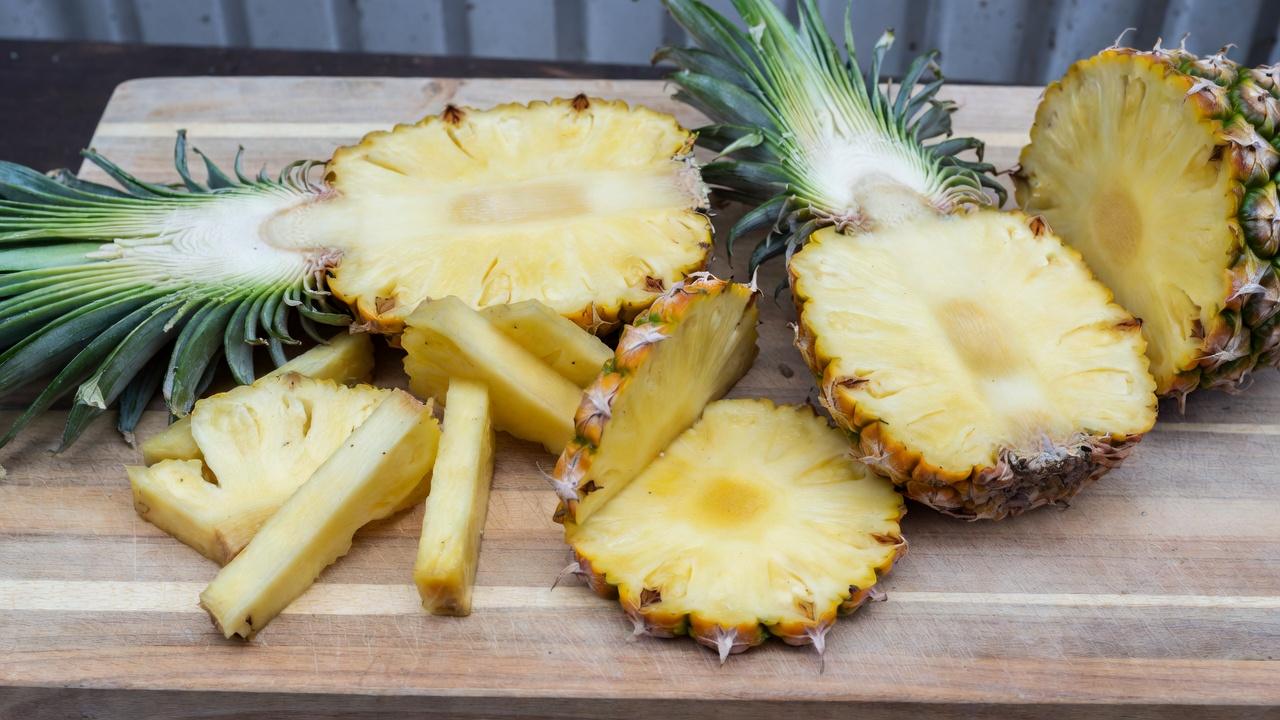
Pineapple contains bromelain, a natural enzyme studied for its anti-inflammatory properties and potential to influence blood viscosity and platelet function in lab and animal models. Some research explores bromelain’s role in supporting fibrin breakdown, which relates to overall flow dynamics.
Adding fresh pineapple to smoothies or salads is an easy way to include it.
2. Pomegranate – Packed with Polyphenols
Pomegranate is renowned for its high levels of punicalagins and other polyphenols. Multiple studies show that pomegranate juice or extract may help support nitric oxide production, which aids vessel dilation and improves blood flow. Research in healthy volunteers and those with cardiovascular concerns has noted benefits for endothelial function and arterial health.
Try the seeds in yogurt or drink diluted juice.
3. Berries (Blueberries, Strawberries, etc.) – Antioxidant Powerhouses
Berries are loaded with anthocyanins, which research links to reduced inflammation, better artery flexibility, and lower platelet aggregation in some studies. Regular intake is associated with healthier blood pressure and vascular protection.
A handful daily makes a great snack or topping.
4. Citrus Fruits (Oranges, Grapefruits, Lemons) – Vitamin C Boost
Citrus fruits provide flavonoids and vitamin C, which support collagen in blood vessel walls and may act as mild natural supporters of vessel health. Studies connect citrus consumption to improved flow and reduced oxidative stress.
Fresh slices or juice (without added sugar) work well.
5. Kiwi – The Surprising Enzyme Star
Here’s the one that surprised many researchers: kiwi fruit contains actinidin, a proteolytic enzyme. Human studies have shown that eating 2-3 kiwis daily for several weeks reduced platelet aggregation by around 18% in some participants and supported lower triglyceride levels. Additional lab research explores actinidin’s potential in clot breakdown processes.
This small fruit packs a big punch—eat it fresh, skin-on for extra fiber.
Here are a few more everyday allies:
- Apples: Quercetin may help inhibit excessive platelet activity.
- Watermelon: Citrulline supports nitric oxide for vessel relaxation.
- Bananas: Potassium aids in vessel relaxation and blood pressure balance.
- Grapes: Resveratrol promotes antioxidant protection for vessels.
- Papaya: Contains papain, similar to bromelain.
- Guava: Lycopene and fiber for vascular elasticity.
- Cherries: Anti-inflammatory compounds.
Simple Ways to Add These Fruits to Your Day
To make it practical, here are actionable tips:
- Start your morning with a berry and kiwi smoothie.
- Snack on citrus or apple slices mid-day.
- Add pomegranate seeds to salads or oatmeal.
- Include pineapple in stir-fries or as a dessert.
- Aim for variety—try to eat 3-5 different fruits across the week for broad nutrient coverage.
Quick Comparison Table: Fruit Benefits at a Glance
- Pomegranate: Polyphenols for nitric oxide and vessel support
- Kiwi: Actinidin enzyme for platelet function studies
- Berries: Anthocyanins for inflammation and artery health
- Citrus: Vitamin C and flavonoids for vessel strength
- Pineapple: Bromelain for anti-inflammatory potential
Consistency matters more than perfection—small additions build up over time.
Timeline for Building a Fruit-Rich Routine
Week 1-4: Focus on hydration and adding 2-3 servings daily. Week 4-8: Increase variety and notice energy patterns. Ongoing: Make it a lifelong habit alongside movement and check-ins with your doctor.
Final Thoughts: Nature’s Gentle Support
Incorporating these fruits into a balanced diet is a simple, enjoyable step toward supporting your cardiovascular wellness as you age. They provide antioxidants, vitamins, and unique compounds that align with what research shows benefits vascular health—without replacing medical care.
Which fruit will you try first? Start small today for potential long-term rewards.
Frequently Asked Questions
How many fruits should I eat daily for circulation support? Most guidelines recommend 2-4 servings of fruit per day as part of a varied diet rich in produce.
Can these fruits replace medication? No—fruits offer supportive nutrition but are not a substitute for prescribed treatments. Always follow your healthcare provider’s advice.
Are there any precautions with these fruits? Some, like pomegranate or grapefruit, may interact with medications (e.g., blood thinners or statins). Check with a doctor if you’re on meds.
Disclaimer: This article is for informational purposes only and not intended as medical advice. Fruits can support overall health as part of a balanced diet, but they do not diagnose, treat, cure, or prevent any disease. Consult your healthcare provider before making dietary changes, especially if you have existing conditions or take medications.


