
Many men over 50 notice changes in their urinary habits, such as more frequent trips to the bathroom, especially at night, or a weaker stream that disrupts daily life and sleep. These symptoms often stem from benign prostatic hyperplasia (BPH), a common non-cancerous enlargement of the prostate that affects a significant portion of older men. While aging plays a key role, everyday dietary choices can influence how noticeable these symptoms become, as certain foods and drinks may irritate the bladder, promote inflammation, or contribute to fluid retention.
The good news? Small, realistic adjustments to what you eat and drink can support better urinary comfort and overall wellness. In this guide, we’ll explore eight foods and beverages commonly linked to increased prostate-related discomfort in research, explain why they matter, and share practical alternatives. Stick around until the end for an unexpected bonus tip that many men overlook but could make a real difference in daily ease.

Why Diet Matters for Prostate Comfort
Research suggests that lifestyle factors, including what you put on your plate, play a supporting role in managing BPH symptoms. Studies from sources like Mayo Clinic indicate that limiting items that irritate the bladder or increase inflammation may help ease urinary urgency and frequency. A balanced approach focusing on whole foods often brings the most sustainable benefits without drastic overhauls.
But that’s not all… let’s dive into the specific items worth watching.
1. Alcohol – A Common Bladder Irritant
Alcohol acts as a diuretic, increasing urine production and potentially heightening urgency or nighttime awakenings. It can also relax bladder muscles in ways that make control trickier for some men.
Many find that reducing intake leads to fewer interruptions during sleep. If you enjoy a drink, consider spacing them out or switching portions.
2. Caffeinated Drinks (Coffee, Tea, Energy Drinks)
Caffeine stimulates the bladder, which may worsen urgency and frequency in men with BPH symptoms.
Research highlights that cutting back on caffeinated beverages often brings noticeable relief for urinary patterns.
3. Spicy Foods
Ingredients like chili peppers contain capsaicin, which can irritate the urinary tract and amplify discomfort or sudden urges.
Opting for milder flavors helps many maintain enjoyment without added irritation.
4. Red Meat and Processed Meats
Higher consumption of red meat and processed varieties (like bacon or sausages) has been associated in some studies with increased inflammation and potential links to prostate health concerns.
The World Health Organization notes connections worth considering when planning meals.
5. High-Fat Dairy Products (Full-Fat Cheese, Butter, Whole Milk)
Saturated fats in full-fat dairy may contribute to inflammation, and some research ties higher intake to greater discomfort in prostate-related issues.
Switching to lower-fat or plant-based options is a simple step many find helpful.
6. High-Sodium Foods (Processed Snacks, Canned Soups, Fast Food)
Excess salt promotes fluid retention, which can increase pressure on the bladder and lead to more frequent trips.
Monitoring sodium helps support steadier urinary habits.
7. Fried Foods and Trans Fats
Deep-fried items and those with trans fats promote overall inflammation, potentially aggravating symptoms.
Choosing baked or grilled alternatives keeps meals satisfying while being gentler.
8. Sugary Beverages and Processed Sweets
High sugar intake contributes to weight gain and inflammation, both of which can indirectly influence prostate comfort.
Whole fruits offer natural sweetness with added fiber benefits.
Quick Comparison: Harmful Triggers vs. Prostate-Supportive Swaps
- Alcohol → Herbal tea or infused water – Fewer nighttime disruptions
- Caffeinated drinks → Decaf options or green tea – Reduced bladder stimulation
- Spicy foods → Mild herbs like basil or oregano – Flavor without irritation
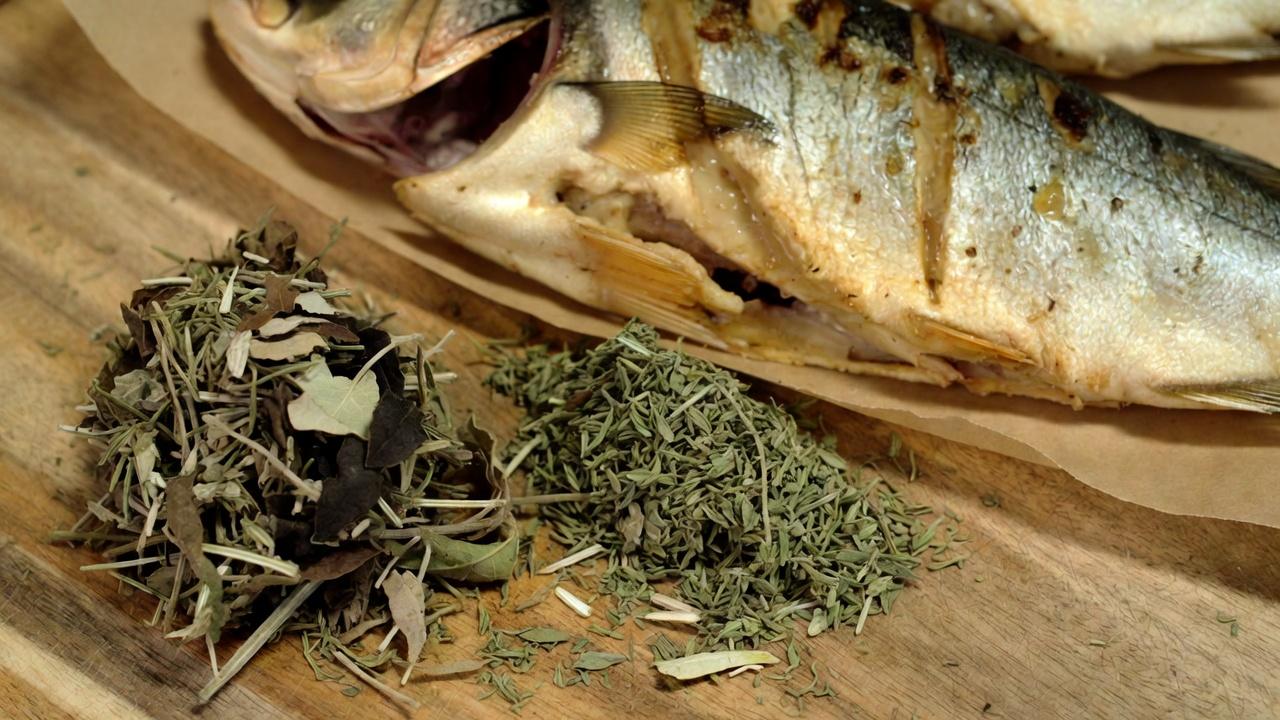
- Red/processed meats → Grilled fish (salmon) – Omega-3s for anti-inflammatory support
- High-fat dairy → Low-fat yogurt or plant-based alternatives – Less saturated fat load
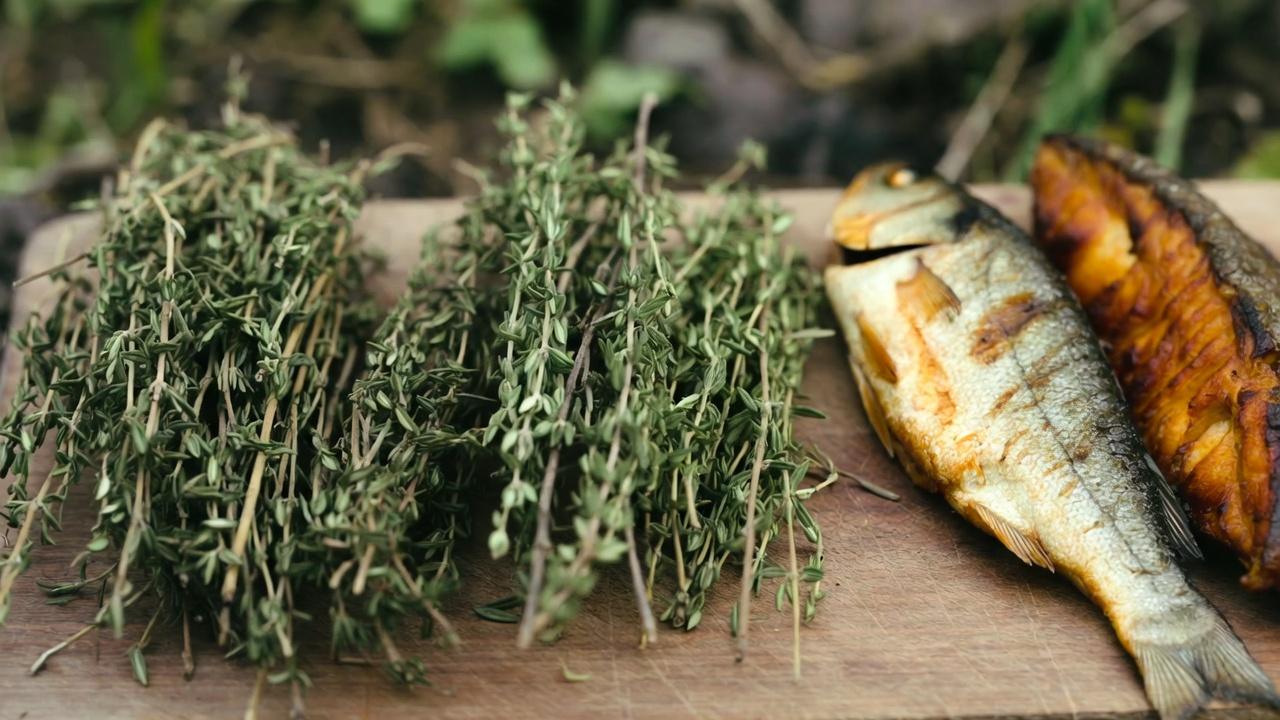
- High-sodium items → Fresh herbs and lemon – Better fluid balance
- Fried foods → Baked vegetables – Lower inflammation potential
- Sugary drinks → Whole fruits or water – Natural energy without excess sugar
These swaps focus on moderation and variety, helping create sustainable habits.
Actionable Steps to Try This Week
Start small for the best results:
- Track your intake for 3 days to spot patterns.
- Replace one trigger (like evening coffee) with a gentler option.
- Add more vegetables and fruits daily for natural support.
- Stay hydrated with plain water throughout the day.
- After a couple of weeks, note any shifts in comfort.
Consistency often brings gradual improvements that feel rewarding.
Bonus Insight Many Overlook
Incorporate cruciferous vegetables like broccoli or cauliflower regularly. Studies suggest these may offer protective compounds that support prostate cell health through everyday nutrition.
Wrapping It Up
Supporting prostate wellness through diet doesn’t require perfection – it’s about mindful choices that fit your lifestyle. By becoming aware of these eight common items and experimenting with swaps, many men discover easier days and better nights. Start with one change today and build from there.
Frequently Asked Questions
What is the best diet pattern for prostate health?
A plant-focused approach rich in fruits, vegetables, whole grains, and healthy fats (like those in fish and nuts) appears supportive based on ongoing research.
How quickly might dietary changes help urinary symptoms?
Some men notice improvements in urgency or frequency within a few weeks, though results vary – patience and consistency matter.
Should I take supplements for prostate support?
Always check with a healthcare provider first, as needs are individual and some supplements interact with conditions or medications.
Disclaimer: This article is for informational purposes only and is not a substitute for professional medical advice. Consult your healthcare provider before making significant dietary changes, especially if you have existing health conditions or symptoms.


