
As we get older, staying proactive about our health becomes more important than ever. Many older adults worry about maintaining strong natural defenses against everyday challenges, including those related to cellular health. The good news is that simple, everyday choices—like adding nutrient-rich foods to your meals—can make a real difference in supporting overall wellness. Research shows that certain seeds stand out for their impressive profiles of antioxidants, healthy fats, fiber, and plant compounds that contribute to a balanced diet. But here’s the exciting part: incorporating just a small handful daily could be easier than you think, and the benefits go far beyond what most people expect.

Why Seeds Deserve a Spot in Your Daily Routine
Seeds are tiny powerhouses packed with essential nutrients that support heart health, digestion, and inflammation balance—all key factors in healthy aging. Studies suggest that diets rich in seeds and nuts are associated with better long-term health outcomes. What makes them especially appealing for older adults is how versatile and affordable they are. You don’t need fancy recipes; just sprinkle them on yogurt, oatmeal, or salads.
But that’s not all… the real standout feature is their concentration of protective plant compounds like lignans, polyphenols, and omega-3s. These elements help combat oxidative stress, a natural process that increases with age.
The Top 6 Seeds to Consider Adding to Your Meals
Here are six of the most researched seeds, each bringing unique benefits to the table:
- Flaxseeds
These small brown or golden seeds are one of the richest sources of lignans—plant compounds that act as antioxidants. Research indicates flaxseeds may support hormonal balance and cellular health, particularly in relation to breast and prostate concerns. They’re also loaded with alpha-linolenic acid (ALA), a plant-based omega-3 that promotes anti-inflammatory effects. Ground flaxseeds are best for easy absorption. - Chia Seeds
Tiny yet mighty, chia seeds expand in liquid to form a gel that’s great for digestion. They provide plenty of fiber, omega-3s, and antioxidants. Studies highlight their potential role in reducing inflammation and supporting overall wellness, making them a smart choice for maintaining energy as we age. - Pumpkin Seeds
Also known as pepitas, these green seeds are rich in zinc, magnesium, and vitamin E. Evidence links them to antioxidant protection that may benefit prostate, colon, and breast health. Their satisfying crunch makes them perfect as a snack or topping. - Sesame Seeds
Whether black or white, sesame seeds offer lignans and sesamin, compounds with strong antioxidant properties. Research points to their ability to support liver health and reduce oxidative damage, which is especially helpful for detoxification as we get older. - Sunflower Seeds
High in vitamin E and selenium, these seeds provide powerful antioxidant support. Studies suggest they help protect cells and may play a role in lowering risks for certain types of cellular changes. They’re affordable and add a nutty flavor to any dish. - Hemp Seeds
These mild-tasting seeds deliver complete protein, omega-3s, and omega-6s in a balanced ratio. Emerging research shows they support anti-inflammatory pathways and overall nutrient needs, ideal for older adults looking to maintain muscle and heart health.
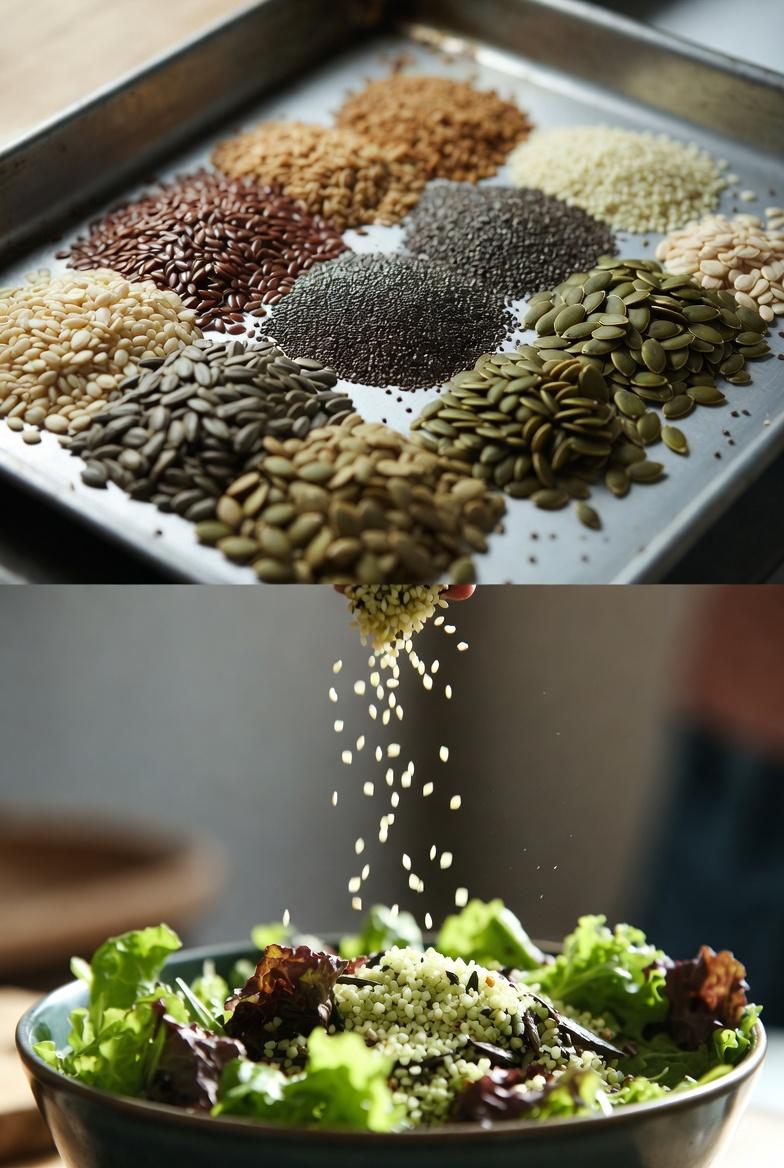
Quick Comparison: Nutrient Highlights of These Seeds
Here’s a simple side-by-side look to help you choose:
- Flaxseeds: Highest in lignans + omega-3s
- Chia Seeds: Top fiber + omega-3s
- Pumpkin Seeds: Excellent zinc + magnesium
- Sesame Seeds: Strong lignans + vitamin E
- Sunflower Seeds: Vitamin E leader + selenium
- Hemp Seeds: Complete protein + balanced fats
Adding variety keeps things interesting and ensures a broad range of nutrients.
How to Easily Incorporate These Seeds into Your Day (Actionable Tips)
Getting started is simple—aim for 1–2 tablespoons daily to begin. Here’s how:
- Start your morning right: Stir ground flaxseeds or chia seeds into oatmeal, yogurt, or smoothies for a nutrient boost.
- Snack smarter: Roast pumpkin or sunflower seeds lightly (no added salt) and keep a small jar handy.
- Upgrade meals: Sprinkle sesame or hemp seeds over salads, soups, or stir-fries for texture and flavor.
- Pro tip: Grind flaxseeds fresh for better absorption—use a coffee grinder. Store all seeds in the fridge to keep them fresh.
But wait… there’s one more thing most people overlook that can maximize the benefits.
Important Things to Keep in Mind
While these seeds offer wonderful nutritional support, balance is key. Start small to avoid digestive discomfort from high fiber, and drink plenty of water. If you have any medical conditions or take medications, check with your healthcare provider first—some seeds can interact with blood thinners or other treatments.
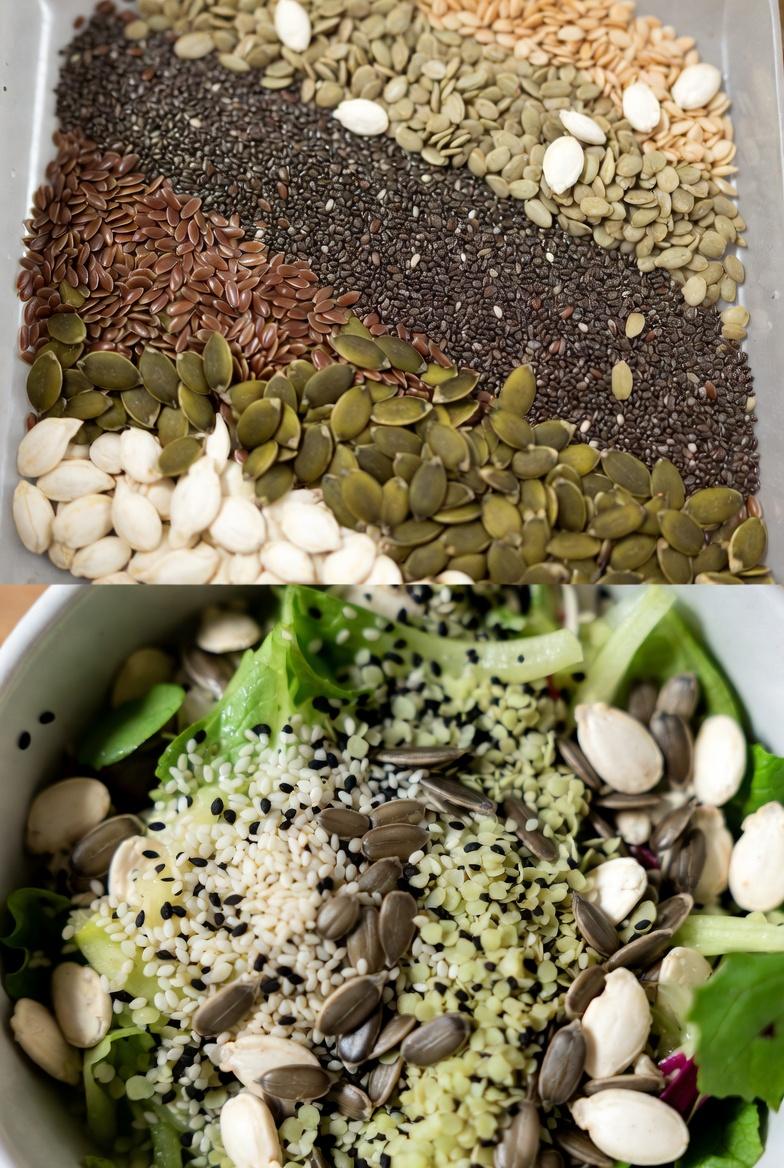
Wrapping It Up: Small Seeds, Big Potential
Incorporating these six nutrient-packed seeds into your routine is an easy, enjoyable way to support your body’s natural defenses as you age. From antioxidants and healthy fats to fiber and plant compounds, they provide practical tools for better wellness. Start today with one or two favorites, and build from there—you might be surprised how quickly it becomes a habit.
FAQ
How many seeds should older adults eat daily?
Most experts suggest 1–2 tablespoons (about 1 ounce) per day as part of a balanced diet. This provides benefits without excess calories.
Are there any side effects to eating these seeds?
They’re generally safe, but high fiber can cause bloating if introduced too quickly. Grind flaxseeds and stay hydrated to help.
Can I eat these seeds if I have allergies?
Most are safe, but check for cross-contamination if you have nut allergies. Hemp and chia are usually well-tolerated.
Disclaimer: This article is for informational purposes only and is not intended as medical advice. It does not claim to prevent, treat, or cure any disease. Always consult a qualified healthcare professional before making changes to your diet, especially if you have health conditions or are taking medications. Individual results may vary.


