
In today’s world, many people worry about staying healthy, especially when seasonal bugs and everyday germs seem to lurk everywhere. You might feel frustrated trying to support your body’s natural defenses while juggling a busy life and avoiding constant illnesses that leave you tired and run down. The good news is that a simple kitchen staple you probably already have on hand could offer some intriguing support. Research has long highlighted garlic’s potential role in promoting overall wellness, thanks to its unique compounds. But here’s the part that might surprise you: the way you prepare and use this everyday ingredient can make a real difference in unlocking its properties—stick around to discover practical tips you can try today.
What Makes Garlic Special? The Science Behind Its Compounds
Garlic (Allium sativum) has been valued for centuries in traditional practices around the world. When you crush or chop a fresh clove, an enzyme reaction occurs that produces allicin—a sulfur-containing compound responsible for much of garlic’s characteristic aroma and potential benefits.
Studies, including lab research published in scientific journals, suggest that allicin and related organosulfur compounds may interact with microbes in ways that support the body’s natural processes. For example, research has explored garlic’s effects in test-tube settings against various bacteria, fungi, and even some viruses. These findings come from sources like PubMed and reviews from institutions studying natural compounds.
But that’s not all… the real intrigue lies in how these properties might contribute to everyday wellness when incorporated thoughtfully into your routine.
How Garlic May Support Your Body’s Defenses
Garlic’s organosulfur compounds have drawn attention in lab studies for their broad-spectrum characteristics. Here’s a closer look at what research indicates:
- Antibacterial Potential — In vitro studies show activity against a range of Gram-positive and Gram-negative bacteria, including some resistant strains. Compounds like allicin appear to disrupt microbial enzymes and cell functions.
- Antifungal Insights — Research has noted effects against fungi such as Candida species, where garlic extracts may interfere with growth and membrane integrity.
- Antiviral Considerations — Some preclinical work suggests compounds could help inhibit certain viruses by blocking entry or replication processes, though human evidence varies.
These observations come from numerous studies, including those reviewing allicin’s mechanisms. While promising in controlled settings, it’s important to note that results from lab research don’t always translate directly to everyday human health.
Here are some key compounds often highlighted in studies:
- Allicin (formed when fresh garlic is crushed)
- Ajoene and diallyl sulfides (breakdown products with their own properties)
- S-allyl cysteine (more stable in aged preparations)
These elements work together, which is why fresh garlic often shows the most activity in research.
Practical Ways to Incorporate Garlic Into Your Daily Life
Ready to experiment? Here are actionable steps to add more garlic safely and effectively. Start small to see how your body responds.
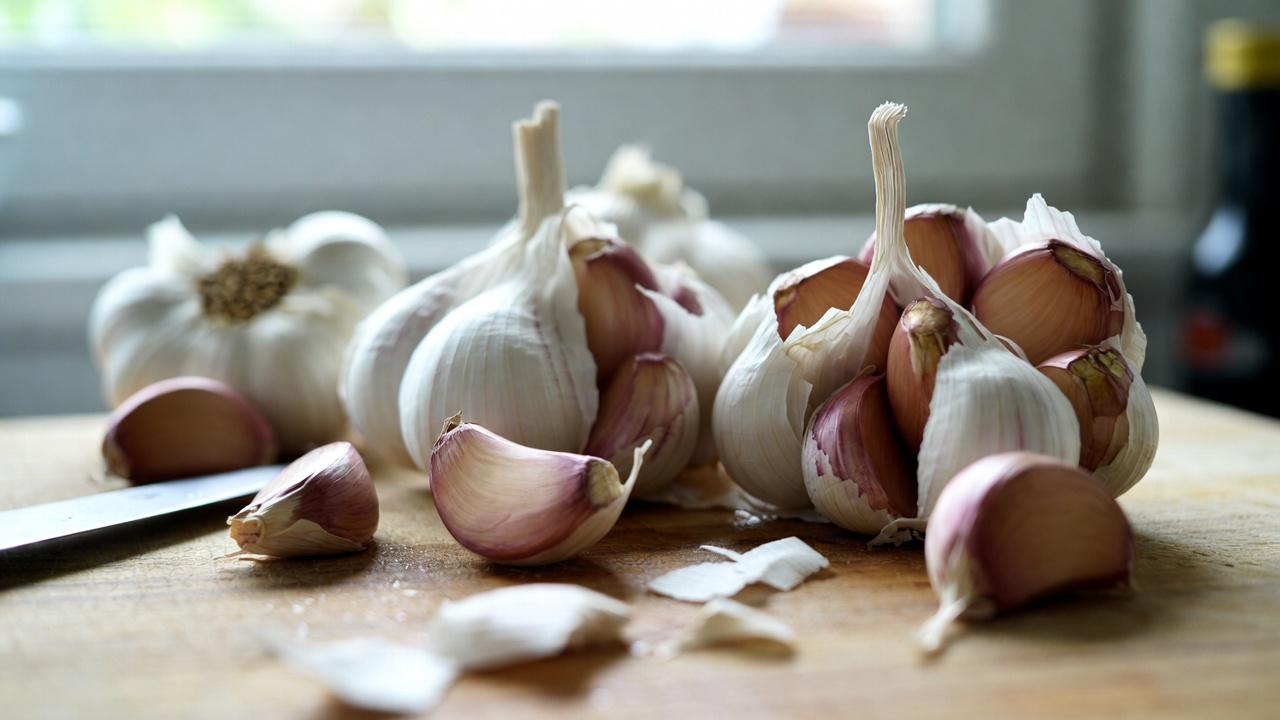
- Choose Fresh for Maximum Potential Buy whole bulbs and store them in a cool, dry place. Fresh garlic tends to retain more of the active compounds.
- Crush or Chop and Wait Mince or crush cloves and let them sit for 10-15 minutes before cooking or eating. This allows allicin to form fully.
- Try Raw in Small Amounts Add chopped raw garlic to salads, dressings, or spreads like hummus. Start with half a clove to avoid stomach upset.
- Cook Lightly Add minced garlic toward the end of cooking soups, stir-fries, or sauces. High heat can reduce some compounds, so gentle sautéing preserves more.
- Make a Simple Infusion Steep crushed garlic in warm water for a mild tea, or mix with honey for easier consumption.
Many experts suggest 1-2 cloves per day as a reasonable amount for general wellness support. Always listen to your body—if you notice any discomfort, scale back.
Here are two quick recipe ideas to get started:
- Garlic Honey Boost — Crush 2 cloves, mix with 1 tablespoon of raw honey, and take a teaspoon daily.
- Simple Garlic Oil — Infuse olive oil with gently heated crushed garlic for drizzling on veggies or bread.
These small habits can become part of your routine without much effort.
Potential Benefits Beyond Antimicrobial Support
Beyond its microbe-related properties, garlic has been studied for other wellness aspects:
- Supporting cardiovascular health (like healthy blood pressure levels in some people)
- Providing antioxidant effects that help combat everyday oxidative stress
- Contributing to overall immune function during cold season
Aged garlic extract, in particular, appears in studies for its stability and potential immune-modulating effects.
But wait… there’s one more thing to consider before you dive in fully.
Safety Tips and Things to Keep in Mind
Garlic is generally considered safe when used in food amounts. However, some people experience digestive discomfort, bad breath, or body odor. Raw garlic may irritate the stomach more than cooked.
If you take blood-thinning medications (like warfarin), have a bleeding disorder, or are preparing for surgery, consult your healthcare provider first—garlic can influence blood clotting. Pregnant or breastfeeding individuals should also check with a professional.
Wrapping It Up: A Simple Addition With Intriguing Potential
Garlic stands out as an accessible, flavorful way to explore natural support for your well-being. From its unique sulfur compounds to practical daily uses, this kitchen hero offers more than just taste. By incorporating it mindfully—whether raw, lightly cooked, or in infusions—you might notice subtle shifts in how you feel day to day.
Experiment with the tips above, and pay attention to what works for you. Small changes like these can add up to meaningful support over time.
Frequently Asked Questions
Q: Is raw garlic better than cooked for health benefits? A: Many studies suggest raw or freshly crushed garlic maximizes compound formation like allicin, but lightly cooked garlic still offers value and may be easier on the stomach.
Q: How much garlic should I eat daily? A: 1-2 fresh cloves per day is a common suggestion in research for general use, but start low and adjust based on your tolerance.
Q: Can garlic replace medical treatments? A: No—garlic is a food with potential supportive properties, not a substitute for professional medical care or prescribed medications.
Disclaimer: This article is for informational purposes only and not intended as medical advice. Garlic should not be used to diagnose, treat, cure, or prevent any disease. Always consult a qualified healthcare professional before making changes to your diet or health routine, especially if you have existing conditions or take medications.


