
Finding pests like cockroaches scurrying across your kitchen floor or noticing itchy bites from bed bugs can quickly turn everyday life into a source of stress and discomfort. These unwanted visitors not only disrupt your peace but also raise concerns about cleanliness and health in your home. Many people turn to simple, everyday items in search of gentler alternatives to harsh chemicals, and baking soda often comes up as a popular choice because it’s affordable, readily available, and generally considered safe around the house.
In this article, we’ll explore how some homeowners use baking soda in various DIY approaches for common pests, what people report from their experiences, and the current understanding from various sources. While results can vary widely depending on the situation, we’ll share practical ideas you can consider trying responsibly—plus, there’s a surprising insight about combining it with basic home habits that often makes the biggest difference.
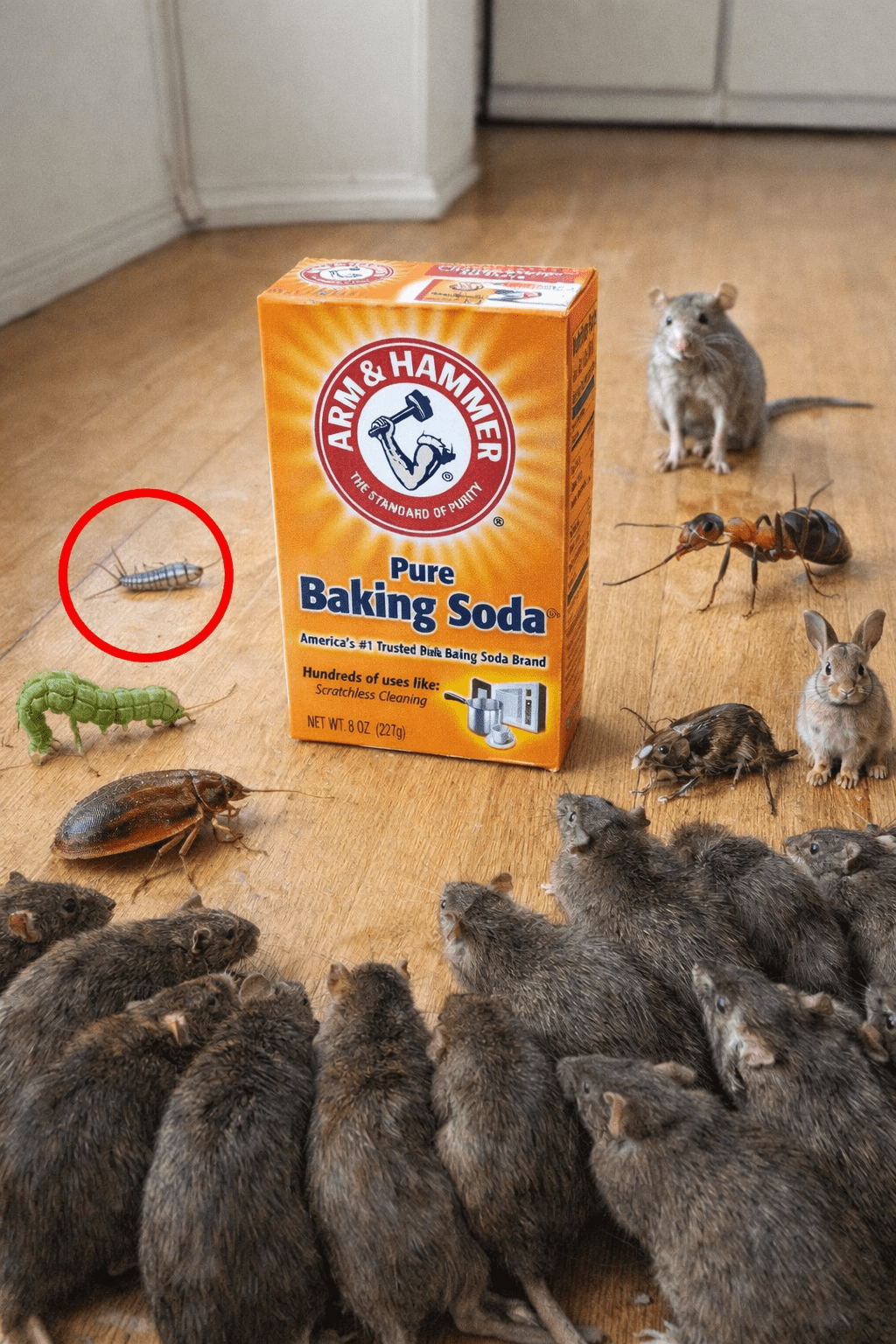
Understanding How Baking Soda Might Interact with Pests
Baking soda, or sodium bicarbonate, is a mild alkaline powder commonly found in kitchens. Some theories suggest that when ingested by certain pests, it could react with stomach acids to produce carbon dioxide gas, potentially causing internal discomfort. Others propose it might absorb moisture or disrupt exteriors through contact.
However, scientific perspectives and expert views indicate that its effects are limited and not consistent across all pests. Studies and pest management resources note that baking soda is registered by the EPA mainly as a fungicide for plants, not as a broad insecticide or rodenticide. Still, anecdotal reports from homeowners keep the conversation alive, especially for certain crawling insects.
But that’s not the full picture—let’s look at specific pests and popular methods people try.
Popular DIY Methods Using Baking Soda
Homeowners often experiment with baking soda in baits or barriers because it’s non-toxic in small amounts and easy to prepare. Here are some of the most discussed approaches, based on common experiences and online discussions.
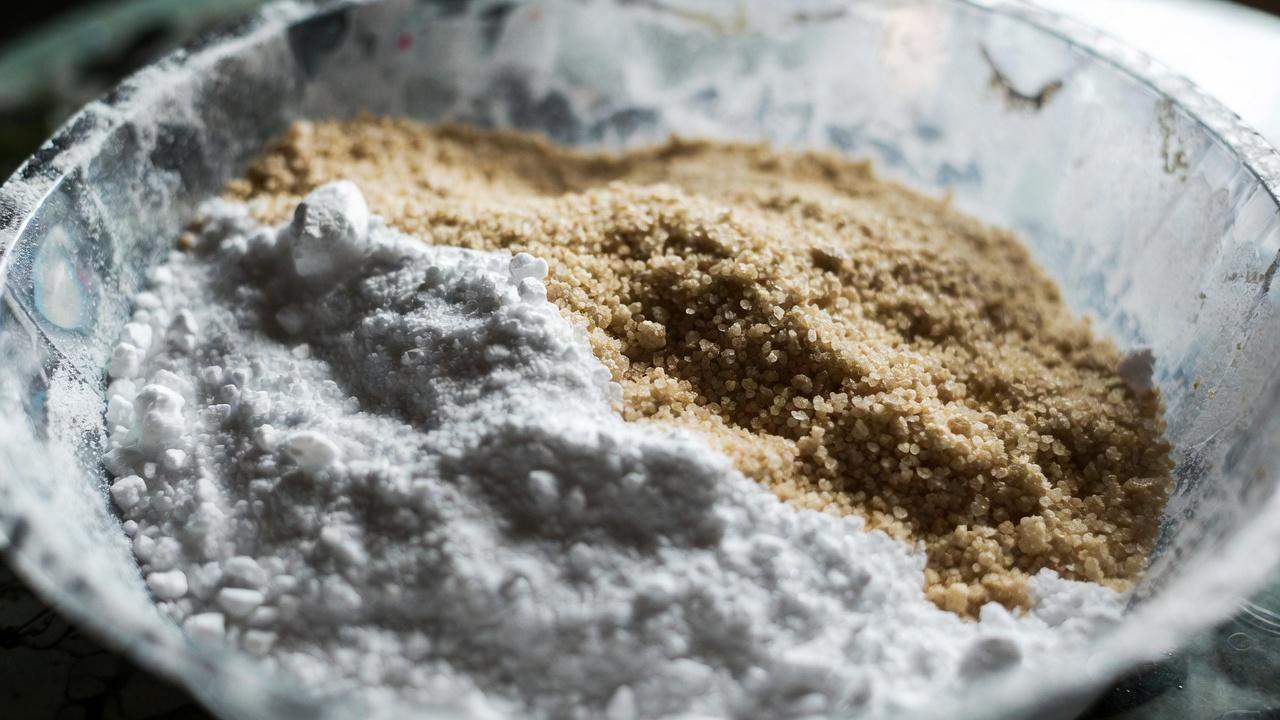
Method for Cockroaches: The Classic Sugar Mix Many people mix equal parts baking soda and powdered sugar (or regular sugar), then place small amounts in shallow dishes or lids near areas where cockroaches appear. The sugar attracts them, while the baking soda is ingested along with it.
Numerous homeowners share stories of noticing fewer sightings over a couple of weeks when they refresh the mixture regularly. Some sources suggest this could work because the ingested combination may lead to a reaction inside the pest. Keep the mix dry, as moisture can reduce its appeal.
For Ants: Powdered Sugar Trails Similar to the cockroach approach, people sprinkle a blend of powdered sugar and baking soda along ant trails or entry points. Worker ants may carry it back to the colony.
Reports vary—some see a reduction in activity, while others note ants sometimes avoid the mixture if it tastes off. Consistency and combining with good sanitation seem to help.
Sprinkling as a Barrier A few dust baking soda along baseboards, windowsills, or entryways, hoping it creates a deterrent by absorbing oils or creating an unpleasant surface for crawling insects like fleas or ants.
This method gets mixed feedback, with limited support from experts for strong repulsion.
Other Variations Some add chopped onion or peanut butter to attract cockroaches more strongly, or experiment with yeast for extra fizz. For rodents, folks occasionally mix baking soda with flour or sugar, based on the gas theory—though many sources caution that rodents can often avoid large amounts or release gas differently, making results unpredictable.
What the Evidence and Experiences Show
Effectiveness depends heavily on the pest type. Here’s a quick comparison of common approaches:
- Cockroaches — Sugar + baking soda bait: Anecdotal success reported by many; may thin out populations over time when kept dry and refreshed.
- Ants — Powdered sugar mix: Variable results; some colony disruption noted, but not always consistent.
- Bed Bugs — Sprinkled powder: Largely considered ineffective by pest experts; these pests are resilient and hide deeply.
- Mice/Rats — Flour/sugar bait: Stories exist, but experts highlight humane concerns and low reliability due to avoidance or gas release.
Research shows mixed outcomes—some lab-like conditions suggest potential for certain insects, but real-world applications often fall short without additional steps. Professional resources emphasize that baking soda isn’t a standalone solution for heavy infestations.
Here are some practical tips if you decide to try:
- Use equal parts (1:1) for most baits.
- Place in dark, out-of-the-way spots like under sinks or along walls.
- Refresh every 3–7 days.
- Keep mixtures dry and away from water sources initially.
- Make sure they’re inaccessible to children and pets.
- Vacuum up any dead pests promptly to avoid attracting more issues.
Stop if you see no improvement after a couple of weeks, and consider other options.
Boosting Results with Everyday Prevention Habits
Here’s the part many find most surprising: the foundation of any pest management effort often comes down to reducing what draws them in. Pests thrive where food, water, and hiding spots are available.
Simple habits can amplify any DIY attempt:
- Seal cracks and entry points with caulk.
- Store food in airtight containers.
- Clean spills and crumbs immediately.
- Reduce clutter where pests hide.
- Fix leaky faucets to limit water access.
These steps alone often lead to noticeable reductions, sometimes more than any single remedy.
When to Seek Professional Support
If sightings persist or the problem feels overwhelming, consulting a pest management professional can provide targeted, reliable strategies. They assess the specific situation and use methods suited to your home.
Frequently Asked Questions
Is baking soda safe to use around pets and kids? In small amounts and placed out of reach, it’s generally considered low-risk. Always monitor and avoid areas where accidental ingestion could occur.
How long does it take to see results with baking soda baits? Experiences vary—some notice changes in days to weeks, but patience and consistency are key. It’s not an overnight fix.
Can baking soda work for all household pests? No—reports suggest better anecdotes for crawling insects like cockroaches and ants, while it’s widely viewed as ineffective for bed bugs or fully reliable for rodents.
Disclaimer: This article is for informational purposes only and is not intended as pest control advice. Results can vary greatly, and baking soda is not a proven or guaranteed method. For persistent pest issues, consult a qualified professional pest management service for safe and effective solutions. Always prioritize safety in your home.


