
Waking up drenched in sweat in the middle of the night or suddenly feeling like your emotions are on a rollercoaster can leave you wondering what’s happening to your body. These frustrating changes often start in your late 40s or early 50s, as hormone levels shift during perimenopause and lead into menopause. Many women feel caught off guard, thinking it’s just stress, aging, or something else entirely. The good news is that understanding these signs empowers you to take simple steps for relief and feel more in control.
But here’s the surprising part most people overlook: recognizing the patterns early can make a huge difference in how smoothly you navigate this natural transition – keep reading to discover practical ways to ease them.
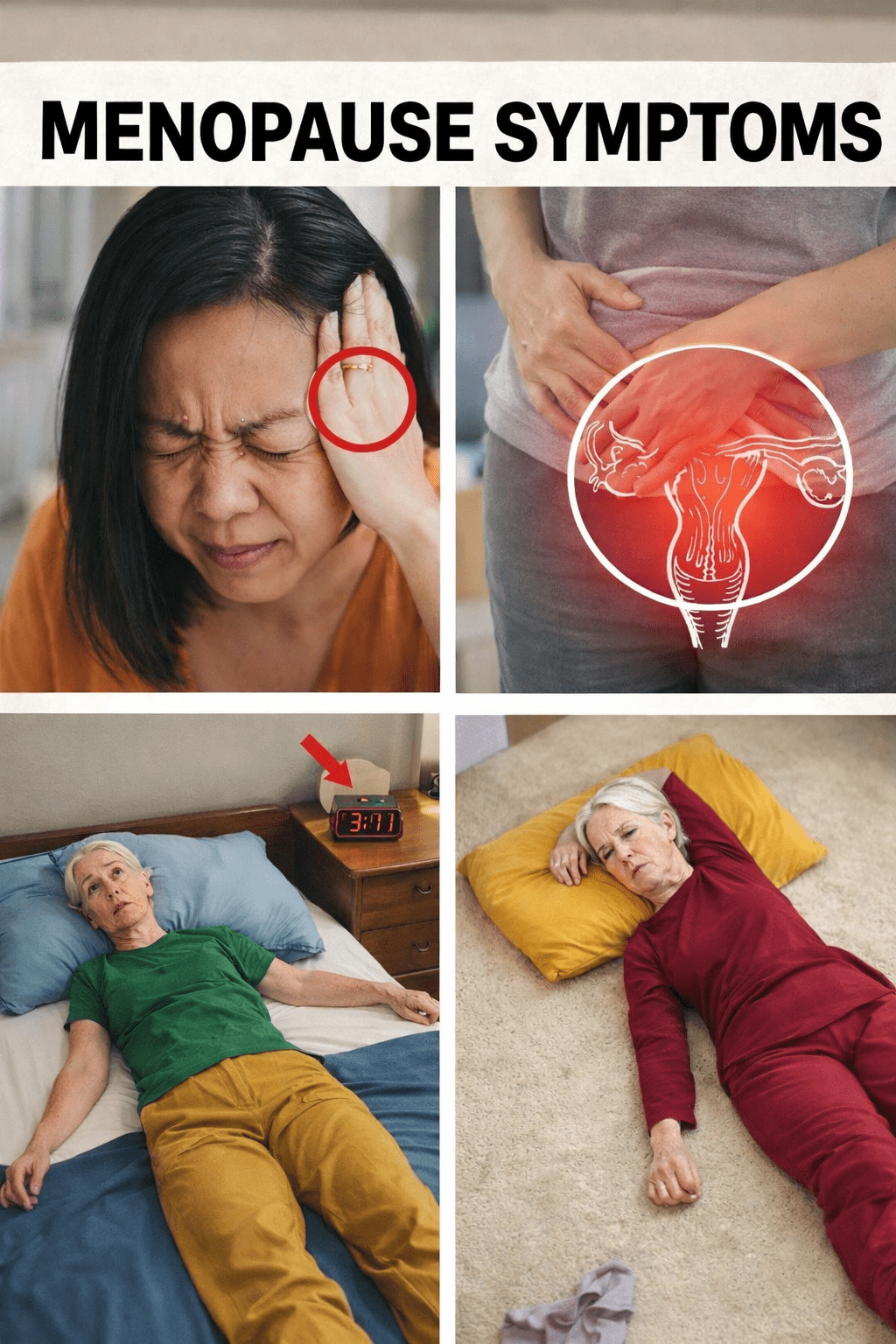
Why Menopause Feels So Confusing
Menopause is officially reached after 12 consecutive months without a period, with the average age around 51-52 according to reliable sources like the Mayo Clinic and Cleveland Clinic. The lead-up phase, called perimenopause, can last several years and brings fluctuating estrogen levels that affect everything from your sleep to your mood. Research shows symptoms vary widely, but many women experience multiple changes that disrupt daily life. The key is knowing what to watch for so you can respond proactively.
The Most Common Signs to Notice
Here are nine frequent experiences women report during this transition, based on insights from trusted health organizations.
1. Hot Flashes and Night Sweats
A sudden wave of intense heat spreading across your chest, face, and neck – often followed by sweating and chills – ranks as one of the top complaints. Studies indicate that up to 80% of women experience these vasomotor symptoms at some point. Night sweats can wake you repeatedly, leaving you exhausted the next day.
But that’s not all – triggers like spicy foods, caffeine, or warm rooms can make them worse.
2. Irregular Periods
Your cycle might shorten, lengthen, become heavier, lighter, or skip entirely. This happens as ovulation becomes less predictable during perimenopause. It’s one of the earliest clues for many women.
Track your cycles for a few months to spot patterns – this simple habit provides valuable information to share with your healthcare provider.
3. Mood Swings and Irritability
One minute you’re fine, the next you’re snapping over small things or feeling unexpectedly tearful. Hormonal shifts can influence brain chemistry, leading to these emotional ups and downs.
Here’s an interesting fact: many women find journaling their moods helps identify connections to other symptoms like poor sleep.

4. Brain Fog and Memory Lapses
Trouble concentrating, forgetting names, or feeling like your mind is in a haze is surprisingly common. Estrogen plays a role in cognitive function, and its fluctuations can contribute to these temporary changes.
The encouraging news? These issues often improve with lifestyle adjustments and time.
5. Ongoing Fatigue
Even after a full night’s sleep (or what feels like one), you might feel drained. Disrupted rest from night sweats, combined with hormonal changes, drains energy reserves.
Prioritizing consistent sleep routines can help recharge your body more effectively.
6. Unexplained Weight Gain
Many notice extra pounds, especially around the midsection, even without major diet or activity changes. A slower metabolism and hormonal shifts contribute to this gradual change.
Focus on balanced eating and movement that feels good – small, sustainable habits add up over time.
7. Vaginal Dryness and Discomfort
Lower estrogen can thin vaginal tissues, leading to dryness, irritation, or discomfort during intimacy. This affects a significant number of women but often goes unmentioned.
Over-the-counter moisturizers or lubricants can provide immediate relief for many.
8. Sleep Difficulties
Trouble falling asleep, staying asleep, or waking frequently ties closely to night sweats and mood changes. Poor sleep then worsens other symptoms in a frustrating cycle.
Establishing a calming bedtime routine often makes a noticeable difference.
9. Joint and Muscle Aches
Stiffness, aches, or discomfort in joints and muscles can emerge or worsen. Estrogen helps regulate inflammation, so declines may play a role.
Gentle stretching, staying active, and maintaining good posture support joint comfort.
Quick Comparison of Common Signs and Everyday Tips
- Hot Flashes/Night Sweats → Layer clothing, use fans, avoid triggers like alcohol.
- Irregular Periods → Track in an app for patterns.
- Mood Swings → Practice deep breathing or short walks.
- Brain Fog → Break tasks into smaller steps, stay hydrated.
- Fatigue → Aim for consistent sleep times.
- Weight Changes → Focus on nutrient-dense foods.
- Vaginal Dryness → Try regular moisturizers.
- Sleep Issues → Create a cool, dark bedroom.
- Joint Pain → Incorporate low-impact movement like swimming.

Practical Steps You Can Take Today
Start with these actionable habits to support your body:
- Keep a symptom journal – Note what you experience, when, and possible triggers.
- Prioritize sleep hygiene – Cool room, no screens before bed, consistent schedule.
- Stay active – Aim for 30 minutes of moderate movement most days.
- Eat balanced meals – Include calcium-rich foods, fruits, veggies, and healthy fats.
- Manage stress – Try mindfulness, yoga, or talking with supportive friends.
- Stay hydrated and limit caffeine/alcohol – These can worsen some symptoms.
Many women find relief through these everyday adjustments while working with their doctor for personalized guidance.
Your Menopause Journey – Wrapping It Up
This transition is a natural part of life, and while the signs can feel disruptive, you’re not alone – millions of women navigate them successfully every year. By paying attention early and making small changes, you can ease discomfort and maintain your energy and well-being. Remember, knowledge is your best tool.
Frequently Asked Questions
How long do menopause symptoms typically last?
Symptoms often start in perimenopause and can continue for several years, with many easing after menopause is reached. Duration varies widely among individuals.
Can lifestyle changes really help with these signs?
Yes – regular exercise, healthy eating, stress management, and good sleep habits support your body and often reduce the intensity of common experiences.
When should I talk to a healthcare provider?
If symptoms interfere with daily life or you’re unsure about changes, a conversation provides clarity and options tailored to you.
This article is for informational purposes only and is not a substitute for professional medical advice. Always consult your healthcare provider for personalized guidance.


