
As we age, especially after 75, it’s common to notice gradual changes in how steady we feel on our feet or how easily we move through daily tasks. Many people rely on walking to stay active, which is great for heart health and overall mood. However, research shows that regular walking alone often doesn’t fully address the specific declines in muscle strength, balance control, and quick reaction ability that can increase fall risk over time. Studies highlight that targeted exercises focusing on strength and balance can help support better stability and mobility in older adults.
The good news is that small, intentional movements can make a meaningful difference. In this guide, we’ll explore five easy, equipment-free exercises recommended by physical therapists and supported by evidence from fall prevention research. These moves take just minutes a day and can fit seamlessly into your routine.

The Importance of Targeted Balance and Strength Work After 75
After age 75, natural changes like reduced muscle mass and slower reaction times can affect how well we stay upright during everyday activities. Walking helps maintain endurance, but it may not challenge the smaller stabilizing muscles or the nervous system’s ability to respond quickly to uneven surfaces.
Evidence from systematic reviews, including those informing WHO guidelines on physical activity, indicates that multicomponent programs combining balance and functional exercises are particularly helpful for reducing fall rates in community-dwelling older adults. Adding targeted moves to your day can support better coordination, leg power, and confidence.
But here’s the encouraging part: consistency with simple exercises can lead to noticeable improvements in stability over weeks to months.
5. Heel-to-Toe Walking – Sharpen Your Dynamic Balance
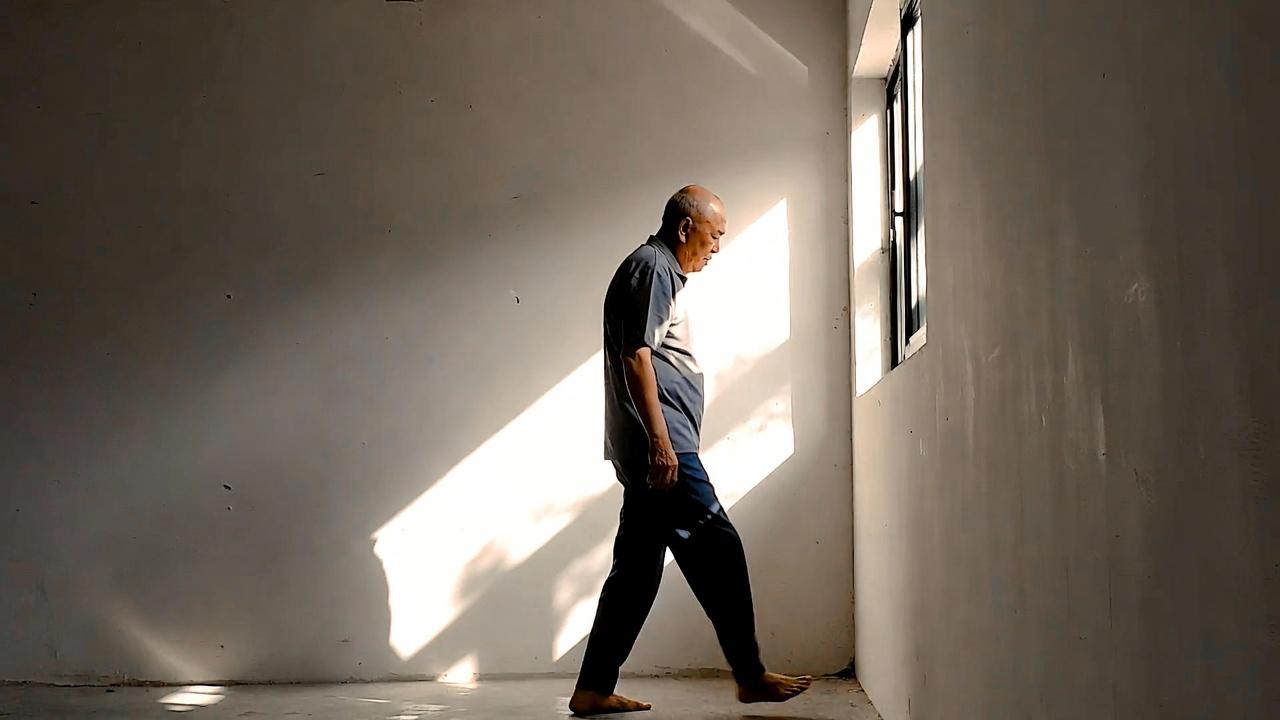
This exercise, also known as tandem walking, challenges your body to maintain alignment while moving, much like navigating a narrow path.
How to do it step by step:
- Stand tall near a wall or sturdy surface for light support if needed.
- Place one foot directly in front of the other so the heel of the front foot touches the toes of the back foot.
- Take 10–20 slow, controlled steps forward, keeping your gaze ahead.
- Repeat the sequence 2 times.
Start with short distances and progress by adding gentle head turns. Research on balance training in older adults shows that dynamic exercises like this can enhance coordination and confidence on varied terrain.
4. Chair Squats – Build Leg Power for Everyday Independence
Rising from a seated position is a movement we repeat many times daily, and strengthening the muscles involved supports smoother transitions.
How to do it step by step:
- Sit in a sturdy chair with feet flat on the floor, hip-width apart.
- Cross your arms over your chest or hold them out for balance.
- Lean slightly forward and stand up using your legs, then slowly lower back down.
- Aim for 2–3 sets of 8–10 repetitions.
If needed, use your hands lightly on the chair arms at first. The 30-second chair stand test is widely used to assess lower body strength in seniors, and regular practice can help maintain functional ability.
Here are quick tips to get the most from chair squats:
- Focus on slow lowering to build control.
- Breathe out as you stand up.
- Stop if you feel any discomfort in your knees.
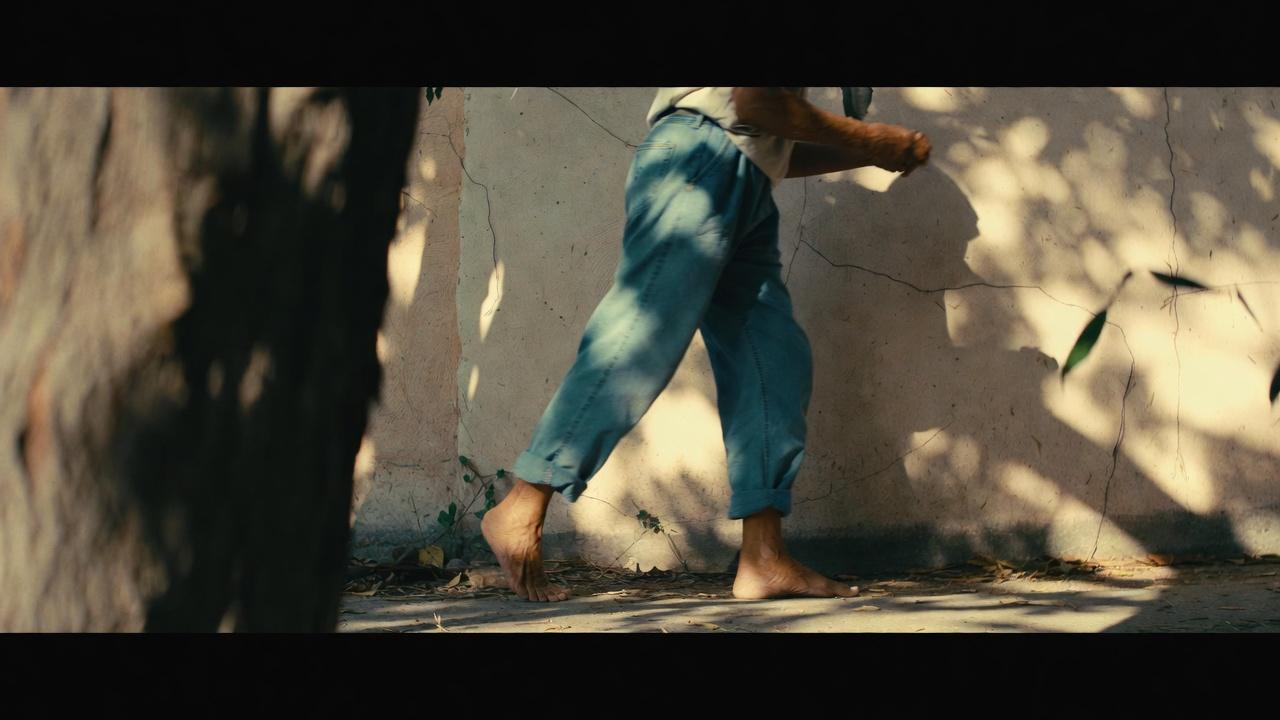
3. Standing Hip Circles – Target Side-to-Side Stability
Walking primarily moves hips forward and back, but side stability is key for preventing sideways stumbles.
How to do it step by step:
- Stand next to a wall with one hand lightly touching for support.
- Lift one knee comfortably high, then circle it out to the side, behind, and back to the front.
- Do 5 slow circles in each direction per leg.
- Repeat once or twice daily.
This gentle motion activates hip stabilizers. Studies on fall prevention emphasize strengthening lateral hip muscles to improve overall stability.
2. Isometric Wall Push – Develop Quick Force for Reaction
When a trip happens, your body needs to generate force fast to recover – this safe hold helps train that without movement.
How to do it step by step:
- Stand about arm’s length from a wall, palms at shoulder height.
- Keep your body straight and push firmly into the wall for 10–15 seconds.
- Rest 30 seconds, then repeat 3–5 times.
Research on isometric training in older adults suggests it can support better force development safely.
1. Single-Leg Stance – The Foundational Balance Builder
Standing on one leg mimics the brief single-leg phases of walking and standing, training your entire system.
How to do it step by step:
- Stand near a counter for light support.
- Lift one foot slightly off the floor and hold the position.
- Aim for 20–30 seconds per leg (or as long as comfortable), repeating 3 times daily.
- Incorporate it during daily habits like brushing teeth.
A well-known study found that the ability to hold a single-leg stance for 10 seconds is linked to better outcomes in older adults, making this a powerful daily practice.
Here’s a simple daily routine to combine them (under 15 minutes):
- Single-Leg Stance: 30 seconds × 3 per leg (morning routine)
- Chair Squats: 2 sets of 10 (after meals)
- Heel-to-Toe Walking: 20 steps × 2 (hallway practice)
- Standing Hip Circles: 5 each way per leg × 2 (bedtime)
- Isometric Wall Push: 10–15 seconds × 3–5 (anytime)
Real-World Benefits of Adding These Moves
Many older adults report feeling steadier and more confident after incorporating balance and strength work. Consistent practice supports mobility, helping you enjoy activities like gardening or family gatherings with greater ease.
Frequently Asked Questions
How often should I do these exercises? Aim for daily or at least 3–5 days a week. Start slow and build up as you feel comfortable.
Is it safe if I have joint concerns? These are gentle, but always check with your doctor or physical therapist first, especially if you have recent injuries or conditions.
How long until I notice improvements? Many people feel more stable within 4–8 weeks of regular practice, though results vary.
This article is for informational purposes only and is not a substitute for professional medical advice. Consult your physician or a qualified physical therapist before starting any new exercise program, particularly if you have health conditions, recent surgeries, or concerns about balance.
Stay consistent – your future mobility thanks you for it!


