
As we age, especially after 60, maintaining strong bones becomes increasingly important. Bone density naturally declines over time, and many people worry about fragility, minor aches, or the risk of falls leading to breaks. Research highlights that adequate intake of key nutrients like calcium and vitamin D plays a vital role in bone health, yet many seniors fall short through everyday diets. What if a simple, affordable pantry item could help provide these nutrients in a natural, convenient way? Keep reading to discover why canned sardines deserve a closer look.
The Challenge of Bone Health in Later Years
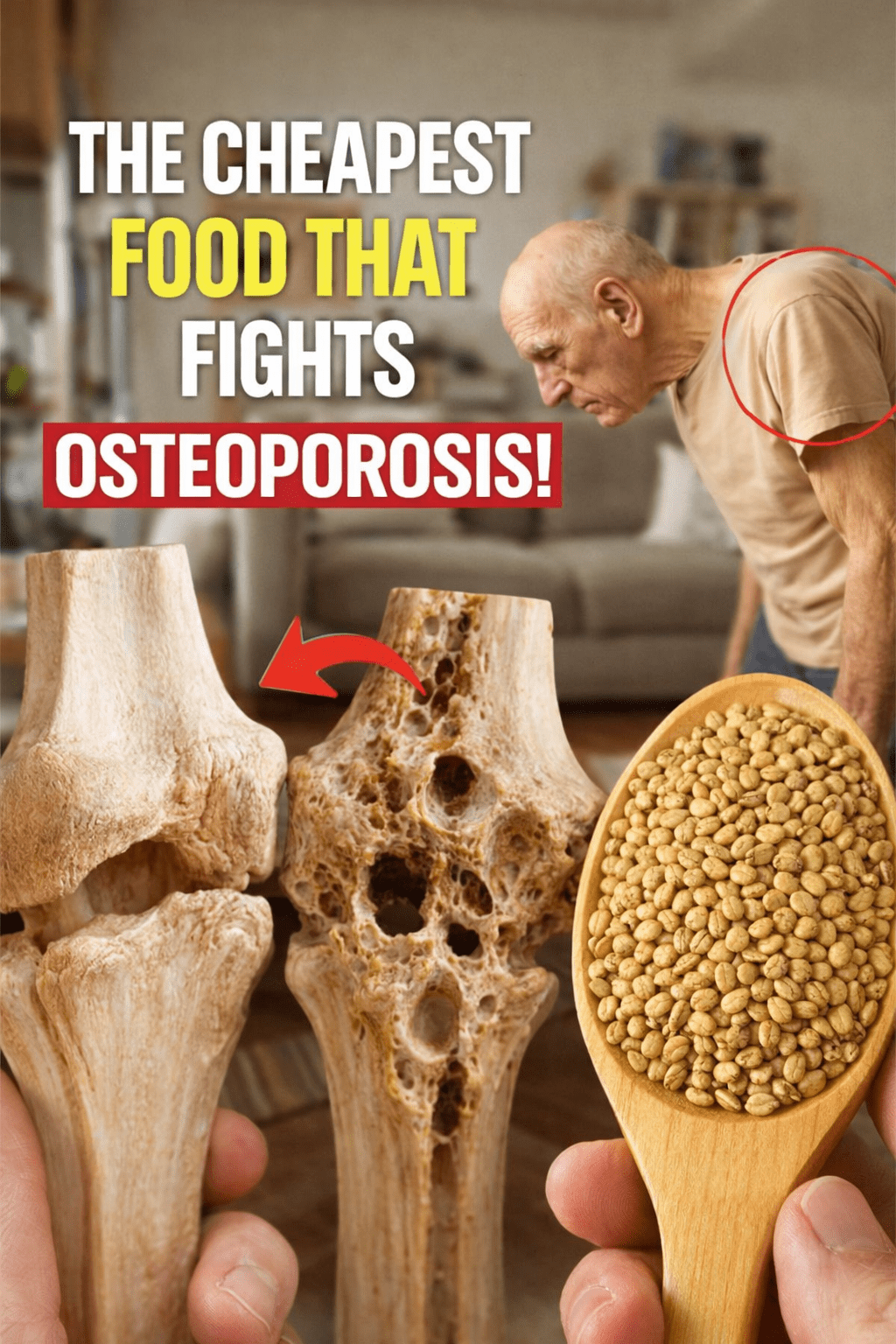
Bone health doesn’t stay the same forever. After age 60, the body absorbs less calcium, and hormonal changes can accelerate loss of bone density. Studies show that inadequate calcium and vitamin D may contribute to weaker bones and slower healing from fractures in older adults. Many turn to dairy or supplements, but these aren’t always ideal—some people experience digestive discomfort with dairy, while supplements can feel isolated without supporting nutrients.
This is where whole foods shine. They often deliver a natural matrix of nutrients that work together for better overall support.
Why Canned Sardines Stand Out as a Nutrient-Dense Option
Canned sardines are small, oily fish packed with benefits, especially when eaten with their soft, edible bones. A typical 3.75-ounce can provides around 325-350 mg of calcium—about one-third of the daily recommended amount for most adults over 50—plus natural vitamin D to help with absorption.
Research indicates that vitamin D enhances calcium uptake in the intestines, making this combination particularly useful. Sardines also offer omega-3 fatty acids, protein, phosphorus, magnesium, and selenium, which collectively support bone metabolism and may help reduce everyday oxidative stress.
But that’s not all—these nutrients come in a budget-friendly package, often costing $1-2 per can.
Key Nutrients in Sardines That Support Bone Health
Here are some of the standout elements in canned sardines and how they may contribute:
- Calcium from Edible Bones — Highly bioavailable and natural, providing a solid amount without needing dairy.
- Vitamin D — Naturally occurring (up to 170-200 IU per can), aiding calcium absorption more effectively than some fortified sources.
- Phosphorus — Works hand-in-hand with calcium to build bone structure.
- Magnesium — Helps activate processes that utilize calcium in bones; many older adults don’t get enough.
- Omega-3 Fatty Acids — May help address chronic low-level inflammation that can affect bone turnover.
- Protein — Supports muscle maintenance, which indirectly helps protect bones.
- Potassium — Assists in balancing body acids that might otherwise pull calcium from bones.
- Selenium — An antioxidant that supports overall cellular health, including in bone tissue.
Studies suggest that whole-food sources like sardines provide synergistic benefits beyond single-nutrient supplements.

Nutrient Comparison: Sardines vs. Everyday Alternatives
To see how canned sardines stack up, here’s a quick comparison based on typical values:
| Food Source | Serving Size | Calcium (mg) | Vitamin D (IU) | Approx. Cost per Serving |
|---|---|---|---|---|
| Canned Sardines (with bones) | 3.75 oz can | 325-350 | 170-200 | $1-2 |
| Glass of Milk | 8 oz | ~300 | ~100 (fortified) | $0.50-1 |
| Plain Low-Fat Yogurt | 6 oz | 200-300 | Varies | $1-2 |
| Calcium Supplement | 1 tablet | 500-600 | Often none | $0.20-0.50 |
Sardines offer co-nutrients naturally, often at a competitive price, and with good absorption rates similar to dairy sources.

Practical Tips to Add Sardines to Your Routine
Ready to give them a try? Start small and build from there:
- Begin gradually — Aim for 1-2 servings per week to see how your body responds.
- Choose wisely — Opt for sardines packed in water or olive oil, with bones included for maximum calcium. Low-sodium versions are great if you’re watching salt.
- Easy serving ideas — Mash them on whole-grain toast with lemon and herbs; mix into salads; add to pasta; or enjoy straight from the can with crackers.
- Flavor tips — If the taste feels strong at first, pair with acidic elements like lemon, vinegar, or mustard to brighten it up.
- Storage — Refrigerate leftovers and use within a few days.
Listen to your body and incorporate them as part of a balanced diet with weight-bearing activities like walking for best support.
Common Questions About Canned Sardines and Bone Health
How often is it safe to eat canned sardines? Most experts suggest 2-3 servings of fatty fish per week is beneficial. Sardines are low in mercury compared to larger fish, making them a safer choice for regular enjoyment—though variety in your diet is always ideal.
What if I don’t like the taste or texture? Many start with milder varieties in olive oil. Blending them into recipes (like spreads or patties) can mask stronger flavors while keeping the benefits.
Are there any concerns for seniors? Sardines are generally safe, but check with your doctor if you’re on blood thinners (due to omega-3s) or have fish allergies. Choose low-sodium options if needed.
Final Thoughts
Canned sardines offer an accessible, affordable way to boost intake of bone-supporting nutrients like calcium and vitamin D naturally. By including them occasionally in your meals, you may support your overall bone health as part of a healthy lifestyle.
This article is for informational purposes only and is not a substitute for professional medical advice. Always consult your healthcare provider before making dietary changes, especially if you have existing health conditions.


