
Many people deal with occasional eye area discomfort, such as dryness, mild redness, or irritation from long screen time, dry air, allergies, or everyday environmental factors. These issues can leave the delicate skin around your eyes feeling tight, uncomfortable, and looking tired, making it hard to focus or feel refreshed throughout the day. The constant need to rub or blink more often only adds to the frustration, especially when standard moisturizers don’t quite reach this sensitive zone.
That’s where a time-tested natural plant like aloe vera comes in — known for its gentle, hydrating properties that many find supportive for skin care routines. But there’s an intriguing aspect to how people safely incorporate it around the eyes that we’ll explore further toward the end.
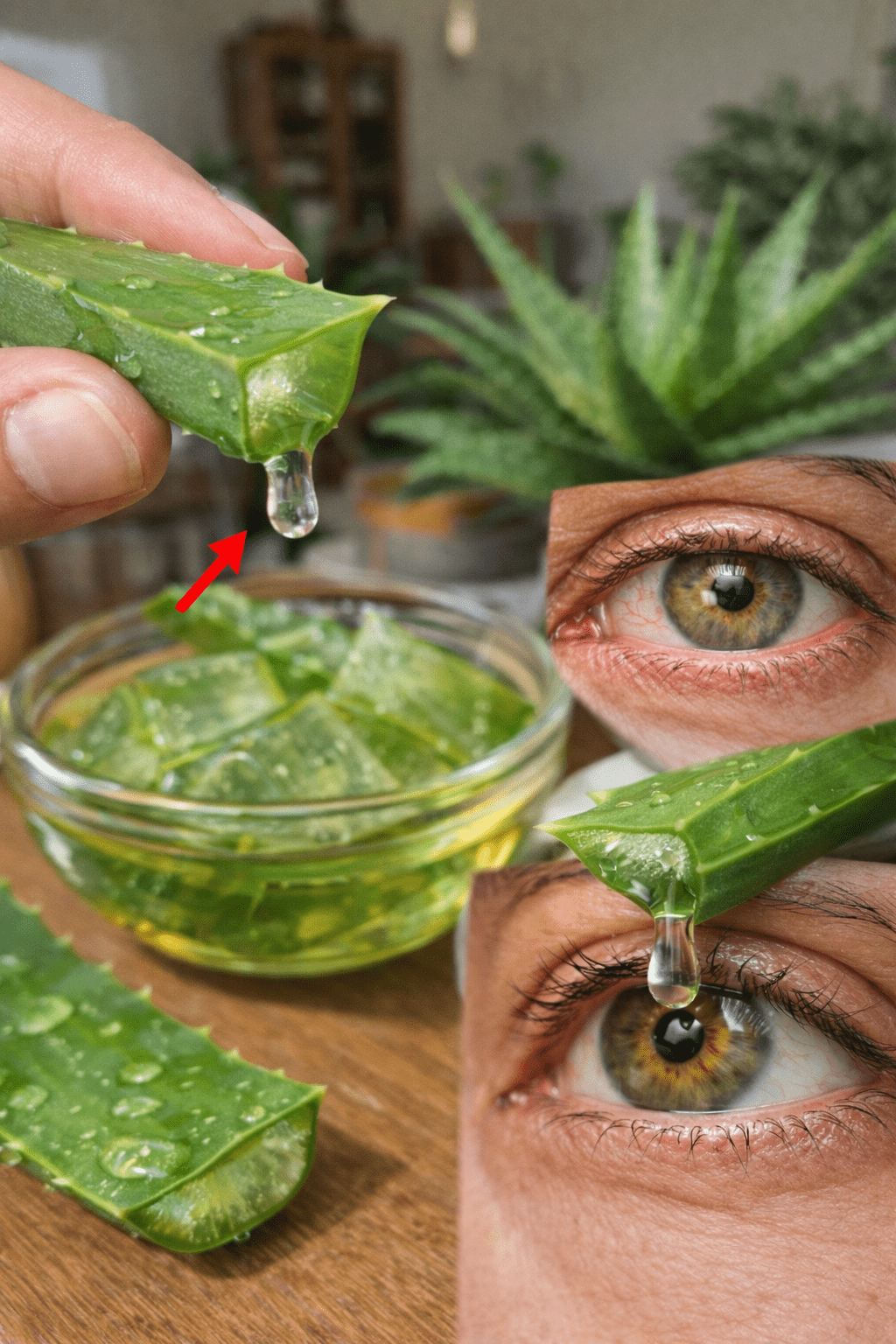
Why Aloe Vera Draws Attention for Eye Area Care
Aloe vera, the gel-filled succulent plant, has been valued for centuries in traditional wellness practices. Its clear inner gel is packed with water, vitamins, enzymes, and other natural compounds that contribute to its reputation for soothing and moisturizing.
Research, including lab studies on human corneal cells, suggests that certain aloe vera extracts may offer properties that help reduce inflammation and support moisture in eye-related tissues (as noted in a 2012 study published in Pharmaceutical Biology). While more human clinical trials are needed, these findings highlight why aloe vera appears in some commercial eye care products designed for sensitive or dry eyes.
The key appeal? Its natural cooling sensation and ability to lock in hydration without heavy greasiness, making it a popular choice for those seeking gentle, plant-based options in their daily routine.
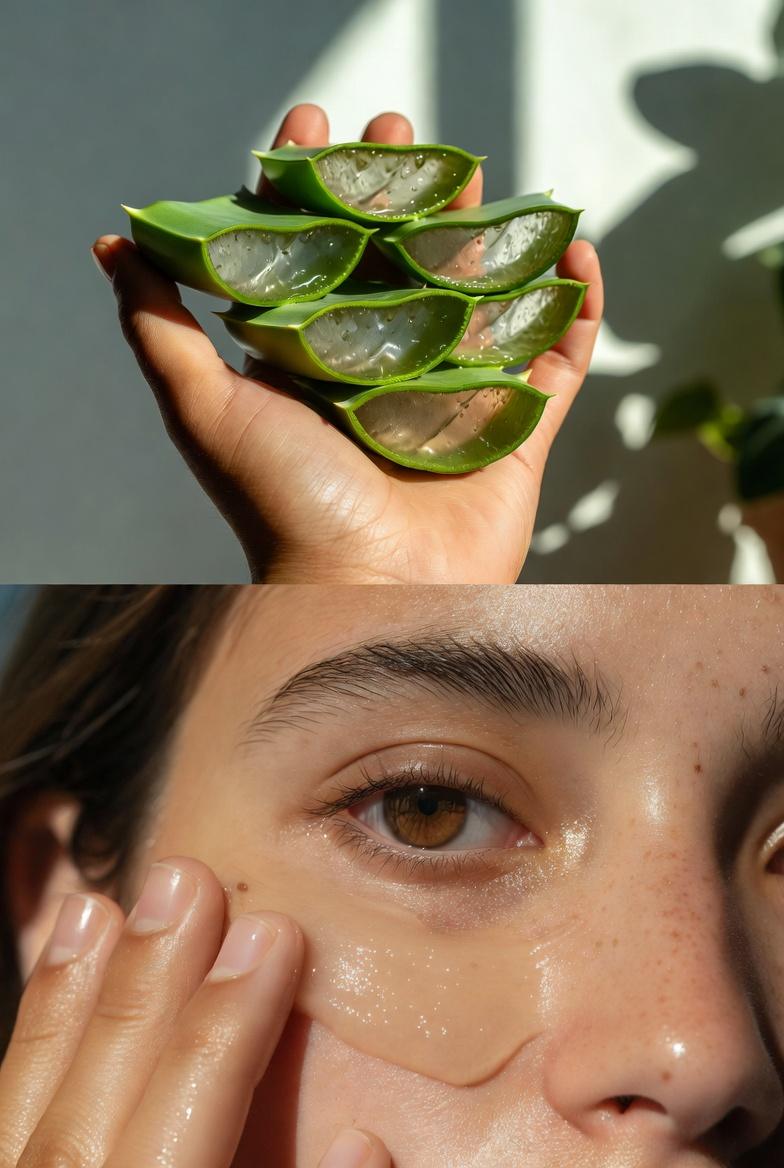
Understanding the Potential Benefits Around the Eyes
Aloe vera’s high water content and polysaccharides act like a natural humectant, drawing moisture to the skin. This can be particularly helpful for the thin, delicate area around the eyes, which loses hydration quickly.
Here are some commonly discussed supportive effects:
- Hydration support — Helps maintain moisture on the skin surface, reducing the tight, dry feeling often associated with environmental stressors.
- Soothing mild irritation — The plant’s compounds may calm temporary discomfort from wind, dust, or fatigue.
- Appearance of refreshed skin — Many users report the area looks less puffy or tired after gentle application.
Studies indicate low-concentration extracts show no toxicity to corneal cells in lab settings, adding to its appeal for external use.
But that’s not all — the real interest lies in how to use it properly to avoid common pitfalls.
Important Safety Considerations Before Trying
While aloe vera is generally well-tolerated on skin, the eyes are extremely sensitive. Direct contact with gel inside the eyes can lead to burning, stinging, or increased redness — something multiple sources, including Healthline and WebMD, strongly caution against.
Always prioritize these safety steps:
- Never apply fresh gel or homemade solutions directly into the eyes.
- Use only pure, high-quality aloe vera gel (preferably 99-100% pure, without added alcohols or fragrances).
- Perform a patch test: Apply a small amount to your inner arm and wait 24 hours to check for reactions.
- Opt for commercial products specifically formulated for the eye area if seeking something closer to the eyes.
- Consult an eye care professional before starting, especially if you have ongoing discomfort, wear contacts, or have sensitivities.
Avoid homemade eye drops — evidence shows they’re not reliably safe without proper processing.
Simple Ways to Incorporate Aloe Vera Safely Into Your Routine
Here are practical, beginner-friendly methods to explore aloe vera for the skin around your eyes. These focus on external application only.
Step-by-Step: Basic Aloe Vera Application Around the Eyes
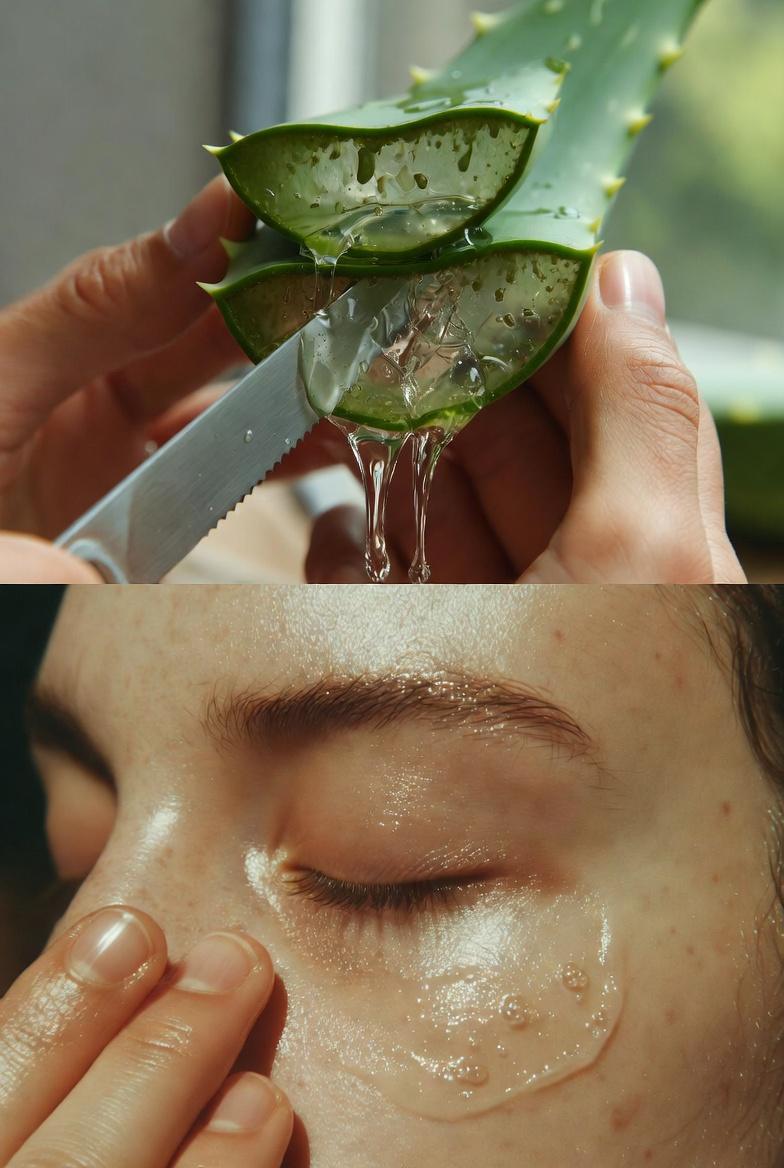
- Choose your source — Use store-bought pure aloe vera gel or extract fresh gel from a mature leaf (slice open, drain yellow sap, scoop clear gel).
- Cleanse gently — Wash your face with a mild cleanser and pat dry.
- Apply sparingly — Dab a pea-sized amount onto clean fingertips.
- Massage lightly — Use your ring finger to pat (not rub) the gel onto the under-eye area and eyelids, staying away from the lash line.
- Let it absorb — Leave on for 10-15 minutes, then rinse with cool water if needed.
- Frequency — Start with 2-3 times per week, ideally in the evening.
Quick Comparison: Fresh vs. Store-Bought Aloe Vera Gel
- Fresh from plant
- Pros: Minimal processing, full natural compounds
- Cons: Risk of latex contamination if not drained properly; shorter shelf life
- Store-bought pure gel
- Pros: Stabilized, often preservative-free options available; consistent quality
- Cons: May have minor additives (check labels carefully)
Both can work well when used externally — just ensure freshness and purity.
For an extra cooling boost, refrigerate the gel for 10 minutes before applying. Many find this enhances the refreshing feel after a long day.
Additional Tips to Support Eye Area Comfort
Combine aloe vera with simple habits for better results:
- Stay hydrated — Drink plenty of water to support overall moisture levels.
- Use a humidifier — Especially in dry climates or air-conditioned rooms.
- Take screen breaks — Follow the 20-20-20 rule (every 20 minutes, look 20 feet away for 20 seconds).
- Protect from sun — Wear sunglasses to shield from UV rays.
These everyday adjustments often make a noticeable difference alongside gentle topical care.
Wrapping It Up: A Gentle Natural Ally?
Aloe vera offers an approachable, natural way to nurture the skin around your eyes with its hydrating and soothing profile. While lab research points to promising properties for reducing dryness and mild irritation externally, results vary by individual, and it’s no substitute for professional eye care.
The most rewarding part? Starting small with safe application can become a calming ritual in your self-care routine.
Frequently Asked Questions
Is it safe to use aloe vera gel directly under my eyes every day?
Many people use pure aloe vera gel around the eyes daily without issues, but start slowly and monitor your skin. Always avoid getting it in your eyes.
Can aloe vera help with puffiness around the eyes?
Its cooling and hydrating nature may temporarily soothe the area, making it appear less puffy for some users when applied gently.
What’s the difference between using aloe vera gel and special eye products with aloe?
Commercial eye products are formulated and tested for safety near the eyes, often with lower concentrations and sterile processing — they’re generally a safer choice if you’re concerned.
Disclaimer: This article is for informational purposes only and not intended as medical advice. Aloe vera is not a treatment for any eye condition. If you experience persistent dryness, redness, irritation, or changes in vision, consult an eye doctor or healthcare professional promptly. Individual results may vary, and patch testing is recommended to avoid allergic reactions.


