
Kidneys play a vital role in filtering waste from your blood, but when they’re not functioning well, subtle changes can appear throughout your body. You might feel unusually tired or notice odd skin issues that seem unrelated, yet these could stem from the same source, leading to discomfort that disrupts daily life. It’s frustrating when these signals go unnoticed, potentially allowing concerns to build over time. But here’s the good news: by learning about these indicators early, you can take proactive steps—and stick around to the end where I’ll share a simple checklist to monitor your own health.
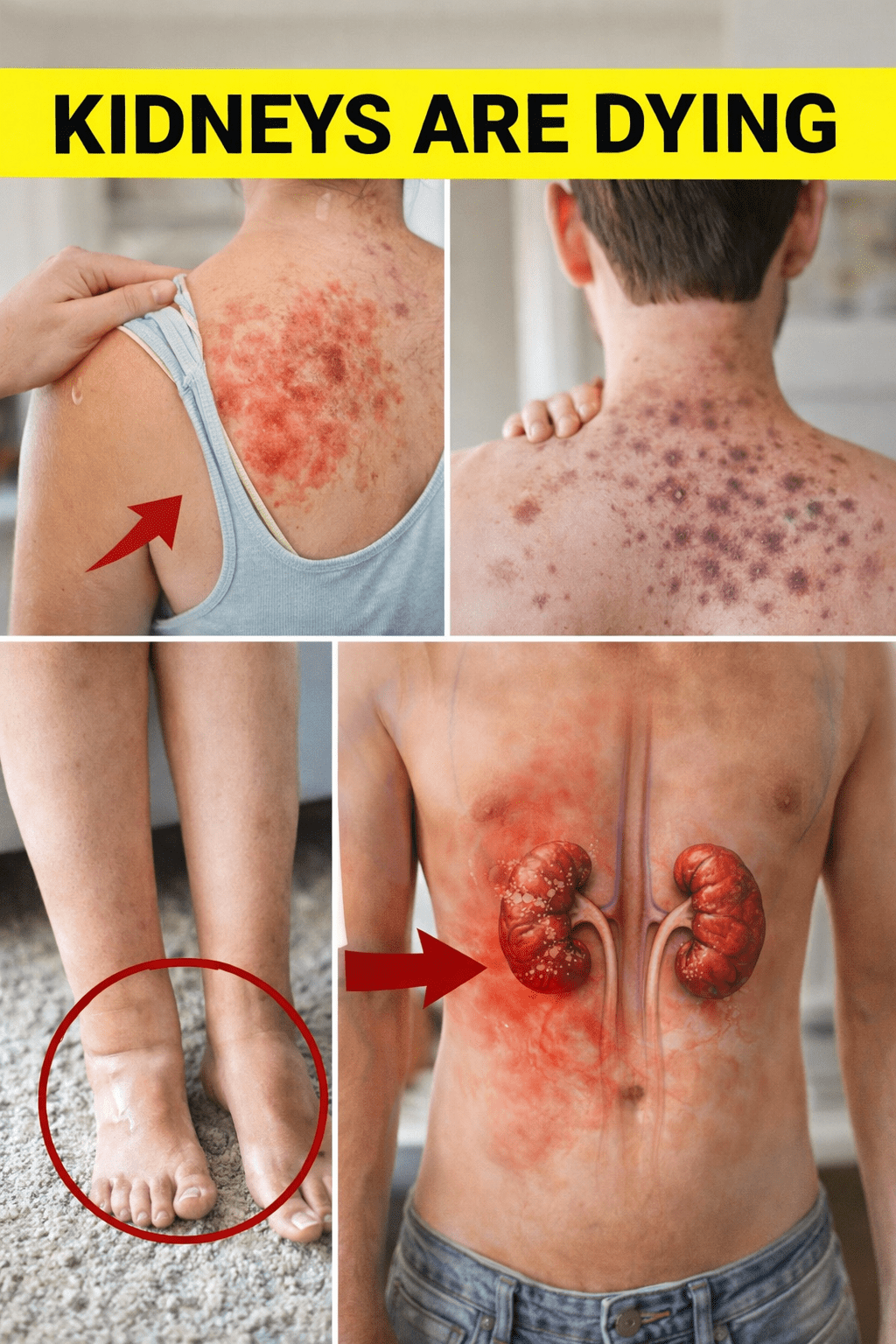
Understanding Kidney Function and Why Signs Matter
Your kidneys are bean-shaped organs that work tirelessly to maintain balance in your body. They remove toxins, regulate blood pressure, and produce hormones essential for red blood cell production. When kidney function declines, waste products can accumulate, leading to various symptoms.
Research from organizations like the National Kidney Foundation shows that chronic kidney disease affects about 37 million adults in the U.S., often without early detection. That’s why recognizing potential signs is key.
But that’s not all—many of these signs mimic other common issues, like stress or aging.
Common Yet Overlooked Changes in Energy and Mood
One area where kidney concerns often show up is in how you feel day to day.
Persistent Fatigue
Feeling exhausted even after a full night’s sleep? This could happen because kidneys produce erythropoietin, a hormone that signals your body to make red blood cells. If levels drop, anemia might follow, leaving you drained.
Studies, such as those from the Mayo Clinic, link this to toxin buildup in the blood.
Here’s a quick tip: Track your energy levels in a journal for a week. Note patterns, like worsening in the afternoon.

Trouble with Concentration or Memory
Ever experience brain fog or forgetfulness? Waste accumulation can affect brain function, leading to confusion or reduced mental sharpness.
According to the American Kidney Fund, this is more common in advanced stages but can appear earlier.
And get this: It might improve with lifestyle adjustments, like staying hydrated.
Skin-Related Indicators You Might Dismiss
Your skin can reveal a lot about internal health.
Itchy or Dry Skin
Persistent itching, especially without an obvious cause, might result from minerals like phosphorus building up.
The National Kidney Foundation notes that up to 40% of people with kidney issues report this.
To ease it temporarily: Try moisturizing with fragrance-free lotions after showers.
Changes in Skin Color or Texture
Notice your skin looking paler, yellowish, or with unusual pigmentation? Anemia or toxin retention could be factors.
Research indicates these changes stem from hormonal imbalances.
But wait, there’s more—rashes or blisters might also appear.
Rashes and Blisters
Small, itchy bumps or fluid-filled spots on arms or legs? These could relate to waste buildup irritating the skin.
In some cases, conditions like acquired perforating dermatosis are linked, per dermatological studies.
Simple action: Avoid scratching to prevent infection; consult a professional for creams.

Urinary Changes as Key Clues
Shifts in urination patterns are classic, yet often ignored.
Foamy or Bubbly Urine
If your urine looks like it’s topped with foam that lingers, it might indicate protein leakage, a sign of kidney filter damage.
The Mayo Clinic explains this as proteinuria, detectable through simple tests.
Pro tip: Observe this over a few days and note frequency.
Frequent Nighttime Urination
Waking up multiple times to urinate? Known as nocturia, it can signal impaired fluid balance.
Studies show it’s tied to kidneys’ reduced ability to concentrate urine.
Blood in Urine
Spotting pink or red hues? This hematuria warrants attention, as it could point to damage or infection.
But don’t panic—many causes are treatable if caught early.
Reduced Urine Output
Producing less urine than usual? Dehydration or obstruction might play a role, but it can also indicate acute issues on top of chronic ones.
Pain and Discomfort Signals
Physical aches shouldn’t be brushed off.
Flank or Side Pain
A dull ache in your lower back or sides? This area is where kidneys sit, and pain might arise from inflammation or stones.
The NHS highlights this as a potential indicator.
Action step: Apply a warm compress for temporary relief while monitoring.
Muscle Cramps
Sudden, painful spasms, especially in legs? Electrolyte imbalances from poor kidney function could be the culprit.
Research from kidney specialists notes this is common post-dialysis but can occur earlier.
Breathing and Appetite-Related Hints
These affect daily comfort significantly.
Shortness of Breath
Struggling to catch your breath during light activities? Fluid buildup in lungs or anemia might contribute.
The American Kidney Fund lists this among top symptoms.
Here’s an idea: Practice deep breathing exercises to manage until you seek advice.
Loss of Appetite
Suddenly not hungry? Toxin accumulation can cause nausea or a metallic taste, reducing food interest.
Studies link this to conditions like gastroparesis in those with diabetes.
Nausea and Vomiting
Feeling queasy often? This stems from waste in the bloodstream irritating the stomach.
But that’s just the start—bad breath might tag along.
Unusual Breath or Taste
A metallic taste or ammonia-like breath? Known as uremic fetor, it’s from nitrogen compounds.
The Mayo Clinic describes this as a telltale sign.
Other Bodily Changes to Note
Don’t overlook these lesser-discussed ones.
Swelling in Extremities
Puffy ankles, feet, or hands? Fluid retention happens when kidneys can’t remove excess sodium.
This edema can worsen with standing.
Quick check: Press on the swollen area—if it leaves a dent, note it.
Nail and Hair Issues
Brittle nails with lines or half-and-half appearance? Or thinning hair? Nutritional deficiencies from kidney concerns might cause this.
Research shows low protein levels contribute.
Calcium Deposits Under Skin
Hard nodules or painful sores? Conditions like calciphylaxis are rare but serious.
Sleep Problems
Trouble sleeping? Itching, cramps, or restless legs can disrupt rest.
The National Kidney Foundation reports sleep issues in many affected individuals.
How to Monitor and When to Act
Now, let’s break this down with actionable steps.
- Daily Self-Check List:
- Monitor urine color and frequency.
- Note any persistent fatigue or skin changes.
- Track swelling by measuring ankle circumference weekly.
- Log appetite and energy levels.
- Lifestyle Tips to Support Kidney Health:
- Stay hydrated with 8 glasses of water daily.
- Eat a balanced diet low in sodium and processed foods.
- Exercise moderately, like walking 30 minutes a day.
- Avoid over-the-counter painkillers without guidance, as they can strain kidneys.
Studies from reputable sources emphasize that early intervention through blood and urine tests can make a difference.
But remember, these signs aren’t definitive—many overlap with other conditions.
Wrapping Up: Prioritizing Your Kidney Health
In summary, being aware of these 23 unusual signs—from fatigue and itchy skin to urinary changes and swelling—can help you stay informed about your body’s signals. Early recognition empowers you to discuss concerns with a healthcare provider, potentially leading to better management.
And as promised, here’s that simple checklist: Print it out, mark any matching signs, and share with your doctor for personalized insights.
Frequently Asked Questions
What causes kidney issues to go unnoticed for so long? Many signs develop gradually and mimic everyday problems like stress or aging, making them easy to dismiss until more advanced stages, according to the National Kidney Foundation.
Can lifestyle changes help support kidney function? Yes, habits like maintaining a healthy weight, controlling blood pressure, and avoiding smoking can play a role, as supported by research from the Mayo Clinic.
When should I see a doctor about these signs? If you notice persistent changes, such as ongoing fatigue or urinary issues lasting more than a week, it’s wise to consult a professional for tests.
Always consult a healthcare provider for any health concerns, as this article is for informational purposes only and not a substitute for medical advice.


