
Breast cancer affects millions of women worldwide, and many cases are found when changes in the breast are noticed early. It’s natural to feel concerned when you spot something unusual, but most breast changes turn out to be benign. Still, staying aware of your body can make a real difference in catching potential issues sooner. Research from organizations like the American Cancer Society and Mayo Clinic shows that knowing your normal breast appearance and feel helps spot differences quickly. In this guide, we’ll walk through some of the most commonly mentioned early signs, why they matter, and simple steps you can take right now. But here’s something important: there’s one everyday habit that could help you notice these changes even faster—keep reading to find out what it is.
Why Paying Attention to Breast Changes Matters
Many people think breast cancer always starts with a big lump, but that’s not always the case. Early signs can be subtle and vary from person to person. According to reliable sources like the American Cancer Society, some breast cancers cause no symptoms at all in the beginning, which is why regular screenings are key. However, being familiar with your breasts means you’re more likely to notice anything new. Studies highlight that early detection often leads to better outcomes, so let’s look at the signs that experts commonly point out.
1. A New Lump or Thickening in the Breast or Underarm
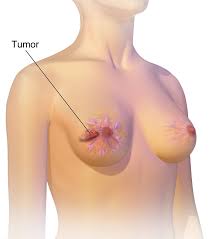
The most talked-about sign is a new lump or thickened area that feels different from the rest of your breast tissue. This could feel hard, soft, round, or irregular—and it might or might not be painful.
- It often appears in the outer part of the breast.
- Sometimes it’s too small to feel and shows up only on a mammogram.
- Thickening without a clear lump can also occur, making part of the breast feel denser.
But remember: Most lumps are not cancer. Things like cysts or fibroadenomas can cause similar feelings. The key is any change that doesn’t go away or worsens over time.
Quick Tip: During your monthly breast awareness check (more on how below), gently feel for anything new while lying down or in the shower.
2. Changes in Breast Size, Shape, or Swelling
You might notice one breast looks or feels different in size or shape compared to before. This could include unexplained swelling in all or part of the breast—even without a lump.
Here are common examples people report:
- One breast suddenly appearing larger.
- General swelling that doesn’t relate to your menstrual cycle.
- A shift in overall contour or asymmetry that feels new.
These changes can happen gradually, so comparing both breasts side by side helps. Again, hormonal shifts or weight changes can cause this too, but any persistent difference deserves a check.
3. Skin Changes on the Breast
Skin alterations are another important clue. The breast skin might look different, such as:
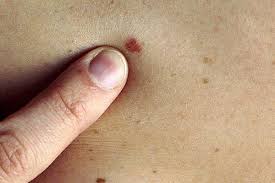
- Dimpling or puckering (like orange peel texture).
- Redness, rash-like appearance, or scaling.
- Thickening or dryness that doesn’t improve.
In some cases, this resembles an infection, but if it persists, it’s worth discussing with a doctor. Inflammatory breast cancer, though rarer, can cause redness and warmth quickly.
Interesting Fact: Lifting your arms overhead in good lighting can make dimples more visible, as shadows highlight skin changes.
4. Nipple Changes or Unusual Discharge
Nipples can show early clues too. Watch for:
- Nipple turning inward (retraction) if it’s new.
- Discharge (other than breast milk) that’s clear, bloody, or spontaneous.
- Scaling, crusting, or soreness around the nipple.
Pain or burning in the nipple area is less common but noted in some types. Most nipple discharge has benign causes, but bloody or clear types should be evaluated.
But that’s not all… These signs are helpful to know, but the real game-changer is building a simple routine to check your breasts regularly. Let’s get into that next.
How to Perform a Simple Breast Self-Awareness Check (Step-by-Step)
You don’t need to be an expert—breast self-awareness is about knowing your normal. Experts like those at the Mayo Clinic recommend this over rigid self-exams.
- Choose a time: Do it monthly, ideally a few days after your period ends (when breasts are less tender).
- Look in the mirror: Stand with arms at sides, then raised, checking for visible changes in shape, size, or skin.
- Feel while standing or lying down: Use the pads of your fingers in a circular motion, covering the whole breast and armpit. Use light, medium, and firm pressure.
- Check the nipple: Gently squeeze for any discharge.
- Repeat on both sides: Compare them.
If anything feels off, note it and contact your healthcare provider. This habit takes just minutes but empowers you.
When Should You See a Doctor?
Don’t wait if you notice any of these changes. See a professional right away—even if your last mammogram was clear. Early professional evaluation is the best step. Screening guidelines (like annual mammograms starting at age 40-45 for average risk, per American Cancer Society) remain essential, as many early cancers show no signs.
Conclusion: Take Control of Your Breast Health Today
Being aware of these four key signs—a new lump or thickening, changes in size or swelling, skin alterations, and nipple changes—can help you act sooner. Combined with regular screenings and self-awareness, you’re giving yourself the best chance to stay ahead. Your body is unique, so trust your instincts if something feels different.
Frequently Asked Questions
What is the most common early sign of breast cancer?
The most frequently mentioned is a new lump or mass in the breast or underarm, though many lumps are not cancerous (American Cancer Society).
Can men have these same signs?
Yes, though rarer, men can experience similar breast changes and should seek evaluation if noticed.
Do all breast cancers cause symptoms early on?
No—many are found through screening before symptoms appear, which is why regular mammograms matter.
Disclaimer: This article is for informational purposes only and not a substitute for professional medical advice. Always consult a qualified healthcare provider if you notice any breast changes or have concerns about your health. Early detection through screenings and awareness can be important, but only a doctor can provide a proper assessment.


