
As we age, the eyes undergo natural changes. The lens can become less flexible, the retina may receive less efficient blood flow, and oxidative stress from daily exposure to light and environment can accumulate. Common issues include age-related macular changes, where the central part of the retina responsible for sharp vision becomes vulnerable, or general dryness and reduced clarity.
Studies, including large-scale research like the Age-Related Eye Disease Study (AREDS), highlight how specific nutrients help support retinal health and may contribute to slower progression of certain age-related concerns. Antioxidants, healthy fats, and minerals stand out as particularly important for protecting delicate eye tissues.
But here’s the encouraging part: small, everyday dietary adjustments can make a meaningful difference in providing those protective nutrients.
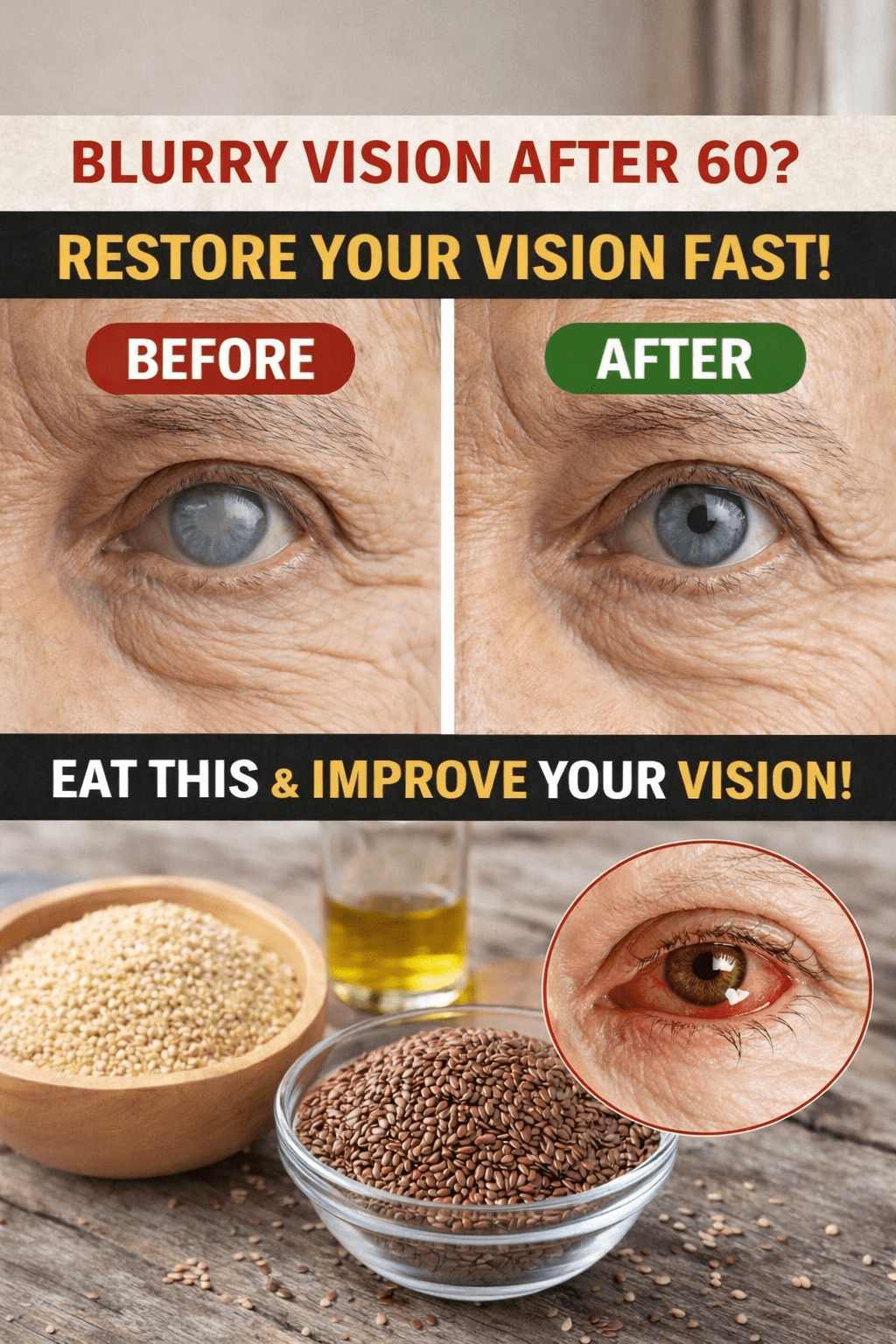
The Seed That Supports Eye Health: Flaxseeds
Among various seeds praised for vision-friendly properties, flaxseeds (also known as linseeds) emerge as a standout choice for seniors. These tiny brown or golden seeds are loaded with plant-based omega-3 fatty acids (specifically alpha-linolenic acid or ALA), which the body can convert to forms that support retinal cell function.
Research shows that omega-3s help maintain proper retinal structure and reduce inflammation, which is beneficial for overall eye comfort. Flaxseeds also provide lignans (powerful antioxidants) and fiber, contributing to general wellness that indirectly benefits circulation to the eyes.
Other seeds like chia, pumpkin, sunflower, and sesame also offer eye-supportive nutrients—such as vitamin E for antioxidant protection or zinc for retinal pigment health—but flaxseeds are frequently highlighted for their high omega-3 content in plant form, making them ideal for those seeking vegetarian options.
Here’s why many experts recommend considering flaxseeds:
- Rich in ALA omega-3s that support retinal health (sources: various nutrition reviews and eye health studies).
- Contains antioxidants that combat oxidative stress in eye tissues.
- Easy to add to meals without major changes to your routine.
But that’s not all—let’s dive into how these nutrients work specifically for aging eyes.
Key Nutrients in Flaxseeds for Eye Support
Flaxseeds deliver a powerful combination that aligns with what eye health research emphasizes:
- Omega-3 Fatty Acids (ALA): These help maintain retinal cell membranes and may reduce dry eye discomfort, a common issue after 60. Observational data links higher omega-3 intake to better support for macular health.
- Lignans and Antioxidants: These plant compounds fight free radicals, potentially protecting against light-induced damage.
- Fiber and Minerals: Support overall digestion and circulation, ensuring nutrients reach the eyes efficiently.
While flaxseeds provide ALA (a precursor to more active omega-3 forms like DHA), combining them with other sources can enhance benefits.
For comparison, here’s a quick look at how flaxseeds stack up against other eye-friendly seeds:
- Flaxseeds: Highest in plant omega-3s (ALA), great for daily use.
- Chia seeds: Similar omega-3 profile, plus more calcium.
- Sesame seeds: Good source of vitamin E and zinc for antioxidant support.
- Pumpkin seeds: High in zinc, important for retinal pigment.
Including a variety keeps your diet interesting while providing broad nutrient coverage.
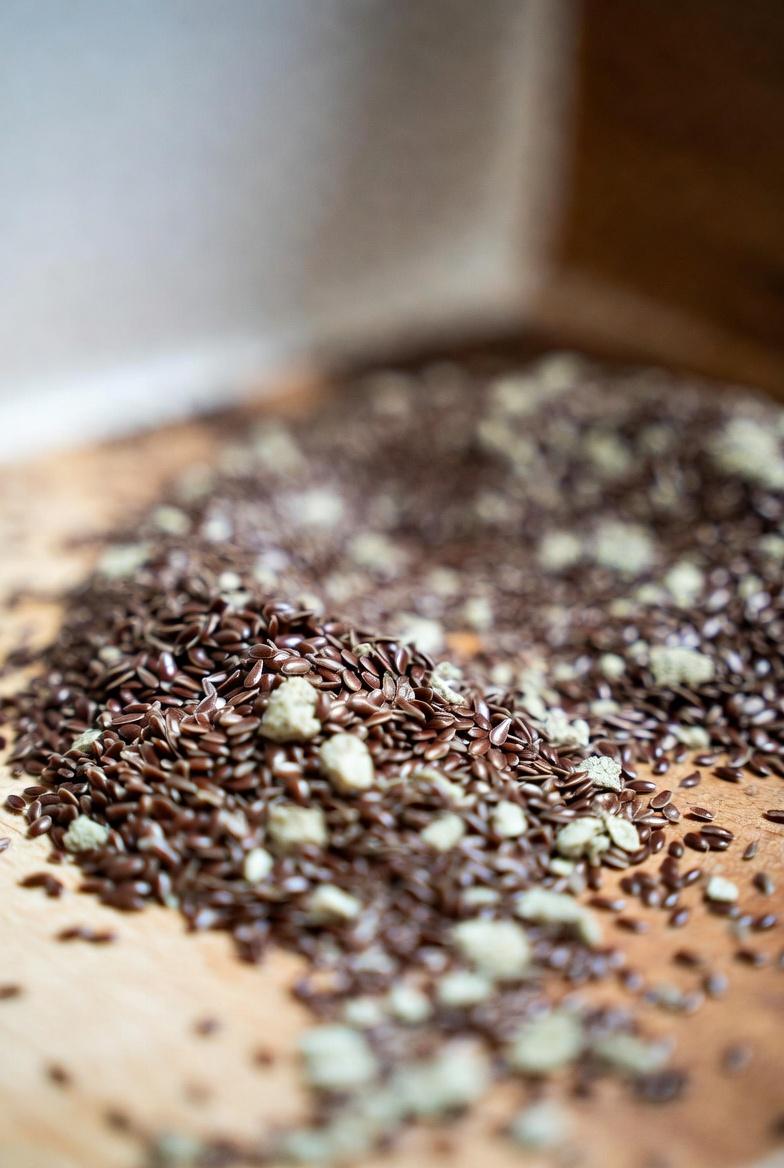
How to Easily Add Flaxseeds to Your Daily Routine
Getting started is simple and doesn’t require fancy recipes. Aim for 1-2 tablespoons per day to enjoy the potential benefits.
Here are actionable steps you can try today:
- Grind them fresh — Whole seeds may pass through undigested, so use a coffee grinder or buy ground flaxseed (store in the fridge to keep fresh).
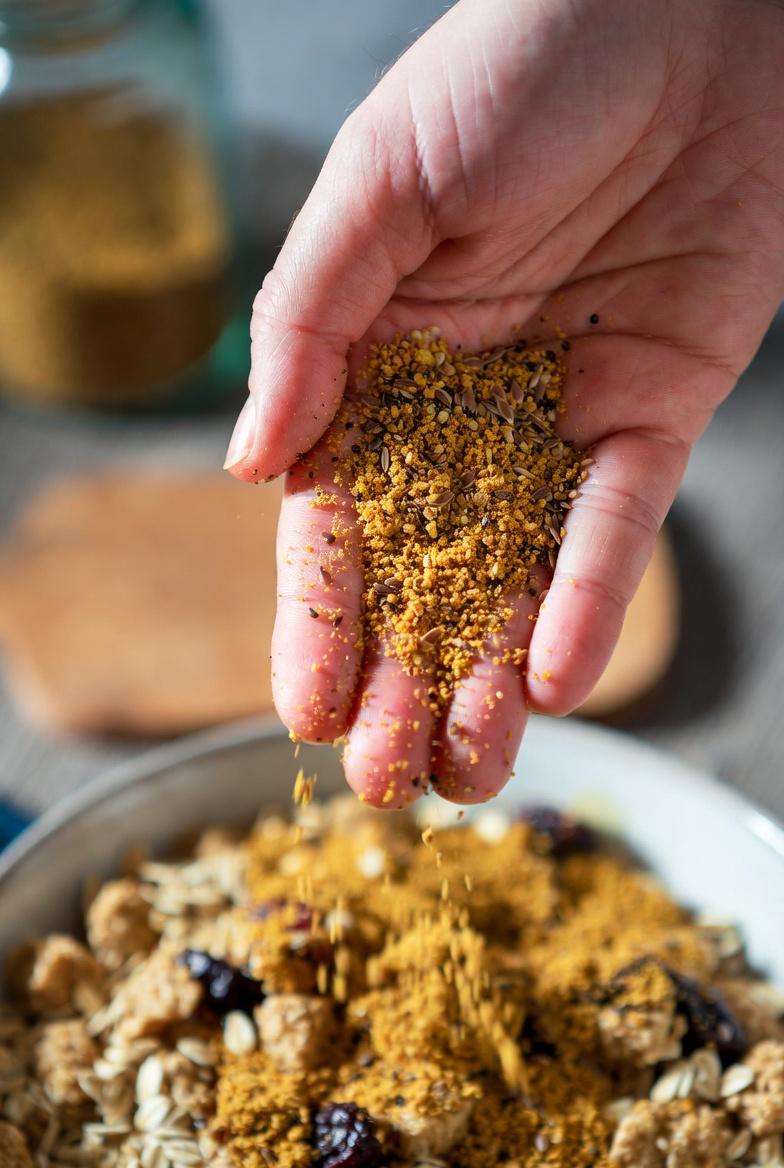
- Sprinkle on breakfast — Add to oatmeal, yogurt, or smoothies for a nutty boost.
- Mix into baked goods — Substitute some flour with ground flax in muffins or bread.
- Blend into drinks — Stir into water with lemon or add to soups.
- Use as an egg replacer — Mix 1 tbsp ground flax with 3 tbsp water for vegan baking.
Pro tip: Start small if you’re new to them to avoid digestive adjustment, and always drink plenty of water.
Many seniors find that after a few weeks of consistent use, they enjoy the subtle flavor while feeling good about supporting their eye health naturally.
Important Considerations for Best Results
Pair flaxseeds with other eye-supportive habits for maximum potential:
- Eat colorful veggies (like spinach or kale) for lutein and zeaxanthin.
- Include fatty fish or other omega-3 sources if possible.
- Stay hydrated and protect eyes from UV with sunglasses.
- Schedule regular eye exams to monitor changes.
These combined steps create a holistic approach to eye wellness.
Conclusion: A Simple Step Toward Better Eye Support
Incorporating flaxseeds into your diet offers a practical, nutrient-dense way to provide your eyes with supportive compounds as you age. While no single food is a magic solution, consistent small changes like this can contribute to long-term eye comfort and clarity. Start today with a sprinkle on your morning meal, and notice how easy it feels to prioritize your vision naturally.
FAQ
What is the best way to consume flaxseeds for eye health benefits? Grind them fresh and add 1-2 tablespoons daily to foods like yogurt, smoothies, or salads for better nutrient absorption.
Are there any side effects to eating flaxseeds? Most people tolerate them well, but start with small amounts to avoid mild digestive changes. Consult your doctor if you have conditions affecting digestion or take certain medications.
How long does it take to notice benefits from adding seeds to my diet? Nutritional support builds over weeks to months as part of a consistent healthy lifestyle—pair it with regular eye check-ups for the best monitoring.
Disclaimer: This article is for informational purposes only and is not intended to diagnose, treat, cure, or prevent any disease. Always consult your healthcare provider before making significant dietary changes, especially if you have existing eye conditions or take medications. Individual results may vary.


