
Many seniors turn to garlic as a simple, natural addition to their meals, hoping to support heart health, immunity, and overall wellness as they age. Studies suggest compounds in garlic, like allicin, may offer antioxidant and anti-inflammatory support that can be especially helpful later in life. But what feels like a healthy habit can sometimes lead to unexpected discomfort—think digestive upset, lingering breath issues, or interactions with common medications. The good news? Most of these challenges come from easily avoidable habits rather than the garlic itself.
Here’s the encouraging part: with a few mindful adjustments, you can keep enjoying garlic’s potential benefits without the downsides. In this guide, we’ll explore practical ways to incorporate garlic thoughtfully, drawing from reliable research and everyday experience. Stick around to the end—there’s one surprising preparation tip that many people overlook, and it could make all the difference in how your body responds.
Why Garlic Appeals to So Many Seniors
Garlic has earned its reputation as a kitchen staple with good reason. Research highlights its sulfur-containing compounds that may help maintain healthy blood pressure levels and support cardiovascular wellness—key concerns as we get older. Some studies even link regular, moderate garlic intake to better immune function, potentially reducing the duration of common colds.
For older adults, whose bodies may respond more sensitively to foods, garlic’s natural properties can feel like a gentle ally. But moderation and proper use matter more than ever.
The Truth About Garlic and Aging: Benefits Backed by Science
Numerous reviews of human studies show garlic may contribute to modest improvements in cholesterol profiles and blood vessel function. For instance, aged garlic extract has been studied for its potential to ease oxidative stress, which accumulates with age.
But here’s the key: benefits appear most consistent with balanced, everyday use—not extreme amounts. One population-based study among oldest-old individuals found associations between habitual garlic consumption and positive health outcomes, though lifestyle factors play a big role too.
The point? Garlic isn’t a magic bullet, but used wisely, it fits nicely into a heart-friendly routine.
Common Ways People Use Garlic That May Cause Issues
Many well-meaning seniors run into trouble not because of garlic itself, but how they consume it. Here are some frequent patterns worth watching:
- Eating large amounts raw on an empty stomach
- Over-relying on supplements without guidance
- Combining high doses with certain daily medications
- Ignoring early signs of digestive sensitivity
But that’s not all… these habits often stem from enthusiasm for quick results, yet small tweaks can prevent most discomfort.
8 Smart Adjustments Seniors Can Make When Enjoying Garlic
To help you get the most from garlic while staying comfortable, here are practical, easy-to-follow tips:
- Start small and build up — Begin with just 1 small clove per day to see how your body responds. Many find this gentle introduction avoids irritation.
- Let it rest after chopping — Crush or mince garlic and wait 10-15 minutes before cooking or eating. This allows beneficial compounds like allicin to form fully.
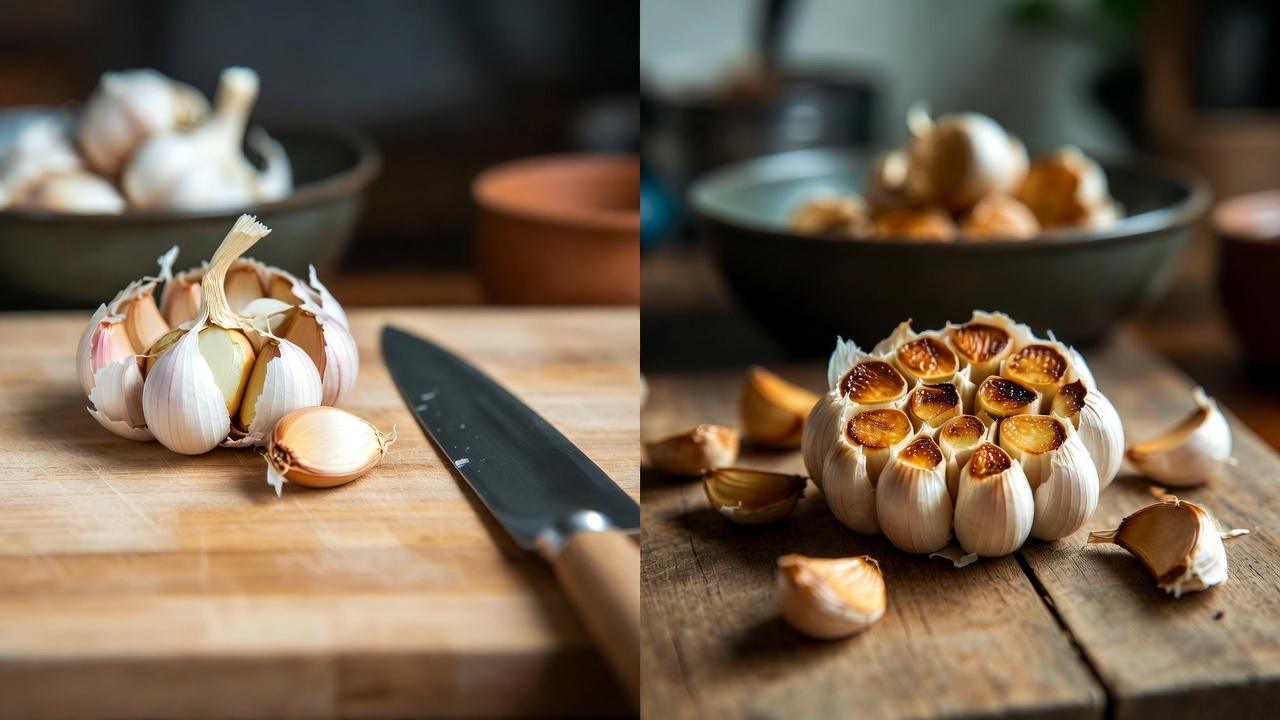
- Cook it gently — Roasting or sautéing reduces pungency while preserving many advantages. Raw is potent, but cooked is often easier on the stomach.
- Pair it with food — Always include garlic in meals rather than alone. Combining with fats like olive oil or proteins can improve tolerance.
- Choose aged or prepared forms — Aged garlic extract or black garlic tends to be milder and better tolerated by sensitive systems.
- Stay hydrated and balanced — Drink plenty of water and maintain a varied diet to support digestion when adding more garlic.
- Time it thoughtfully — Avoid large amounts late in the evening if breath or reflux is a concern.
- Listen to your body — If you notice bloating, heartburn, or other changes, scale back and consult a professional.
These steps help turn garlic from a potential irritant into a reliable daily companion.
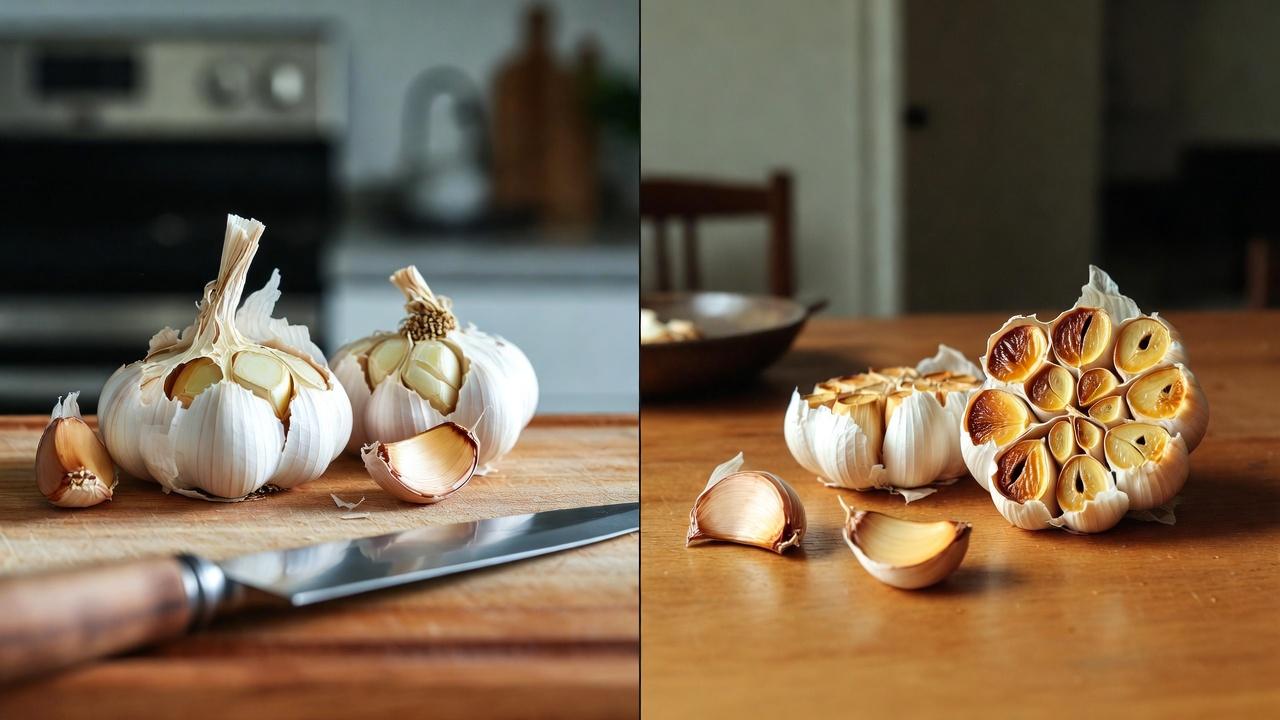
Quick Comparison: Raw vs. Cooked Garlic
| Aspect | Raw Garlic | Cooked Garlic |
|---|---|---|
| Potency of compounds | Higher (more allicin) | Slightly lower, but still present |
| Digestive comfort | Can be harsher on stomach | Generally gentler |
| Breath impact | Stronger and longer-lasting | Milder |
| Best for | Short bursts or dressings | Everyday meals and roasting |
Use this as a handy reference when deciding how to prepare it.
One Overlooked Tip That Changes Everything
Many people crush garlic and use it immediately—but waiting just a short time maximizes those helpful sulfur compounds. This simple pause can enhance what your body absorbs while reducing some of the harsher effects. It’s a small change with a surprisingly big payoff.
Wrapping It Up: Enjoy Garlic Your Way
Garlic remains a flavorful, research-supported addition to many seniors’ diets when approached thoughtfully. Focus on moderation, proper preparation, and paying attention to how you feel—those habits make the difference between discomfort and daily enjoyment.
Always consult your healthcare provider before making significant dietary changes, especially if you take medications or have ongoing health conditions. This article is for informational purposes only and not intended as medical advice.
Frequently Asked Questions
How much garlic is generally considered moderate for older adults? Most studies suggest 1-2 cloves per day as a reasonable amount in food form. Start lower if you’re new to it or have sensitivities.
Does cooking garlic destroy its potential benefits? No—cooking reduces some intensity but retains many supportive compounds. Gentle heat often makes it more enjoyable and tolerable.
Can garlic interact with medications commonly used by seniors? Garlic may influence blood thinning or pressure effects in some cases. It’s wise to discuss with your doctor if you’re on blood thinners, blood pressure meds, or planning surgery.


