
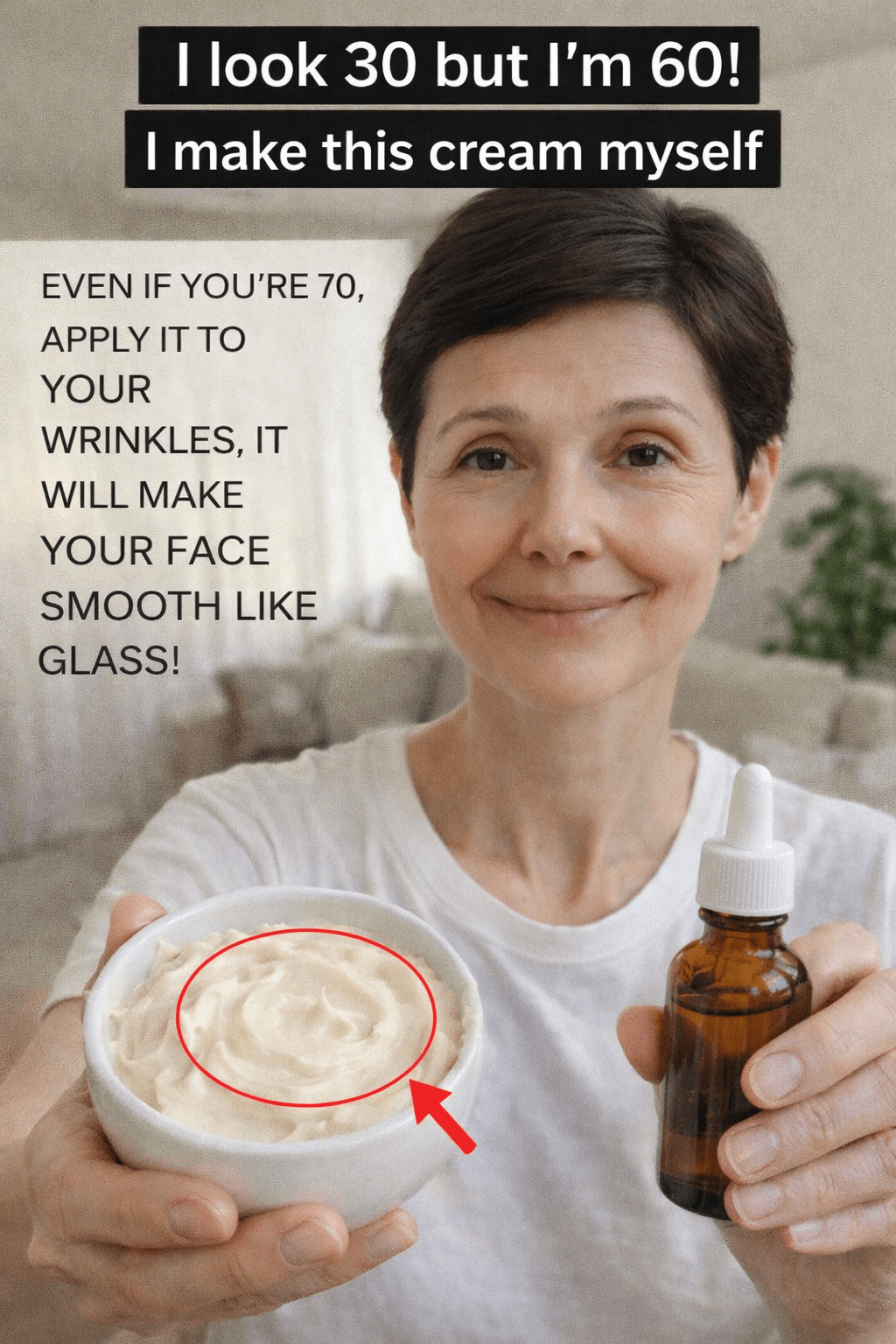
Baking soda, or sodium bicarbonate, is a common household item known for its mild abrasive texture and alkaline properties. It’s often discussed in DIY skincare circles for occasional gentle exfoliation, which may help remove dead skin cells and promote a smoother surface appearance.
Research and anecdotal reports suggest it can provide a temporary brightening or softening effect when used sparingly. For instance, studies on its antifungal and antibacterial properties indicate potential benefits in specific contexts, though not specifically for aging signs. The key is moderation—its high pH (around 9) differs from the skin’s natural slightly acidic range (4.5–5.5), so overuse can lead to dryness or irritation.
But here’s the interesting part: when combined thoughtfully with moisturizing ingredients, some find it adds a subtle refresh to their evening routine.
Potential Benefits of Baking Soda in Skincare Routines
Many explore baking soda for its exfoliating action. Here’s why it appeals to those seeking natural options:
- Gentle Exfoliation — The fine particles can buff away dull surface buildup, potentially making skin feel softer and look more even.
- Oil Absorption — Its mild alkaline nature may help balance excess oil on certain skin types.
- Temporary Smoothing — Occasional use might create a polished look by clearing debris, as noted in some beauty specialist discussions.
Keep in mind that these effects are often short-term and surface-level. Long-term skin health relies more on consistent habits like hydration, sun protection, and balanced nutrition.
Important Safety Considerations Before Trying It
While baking soda is affordable and accessible, it’s not suitable for everyone. Dermatologists frequently caution that its alkalinity can disrupt the skin’s natural barrier, leading to dryness, redness, or increased sensitivity over time.
Who should be extra careful?
- People with sensitive, dry, or reactive skin
- Those with conditions like eczema or rosacea
- Anyone using strong actives like retinoids
Always do a patch test: Apply a small diluted amount to your inner arm and wait 24 hours. If irritation occurs, skip it entirely. Experts recommend limiting use to 1–2 times per week at most, and never on broken or inflamed skin.
How to Make a Simple Baking Soda-Based Mixture at Home
If you’re curious about incorporating it safely, focus on dilution and pairing with hydrating elements. Here’s a basic, gentle approach many discuss:
Ingredients (for a small batch):
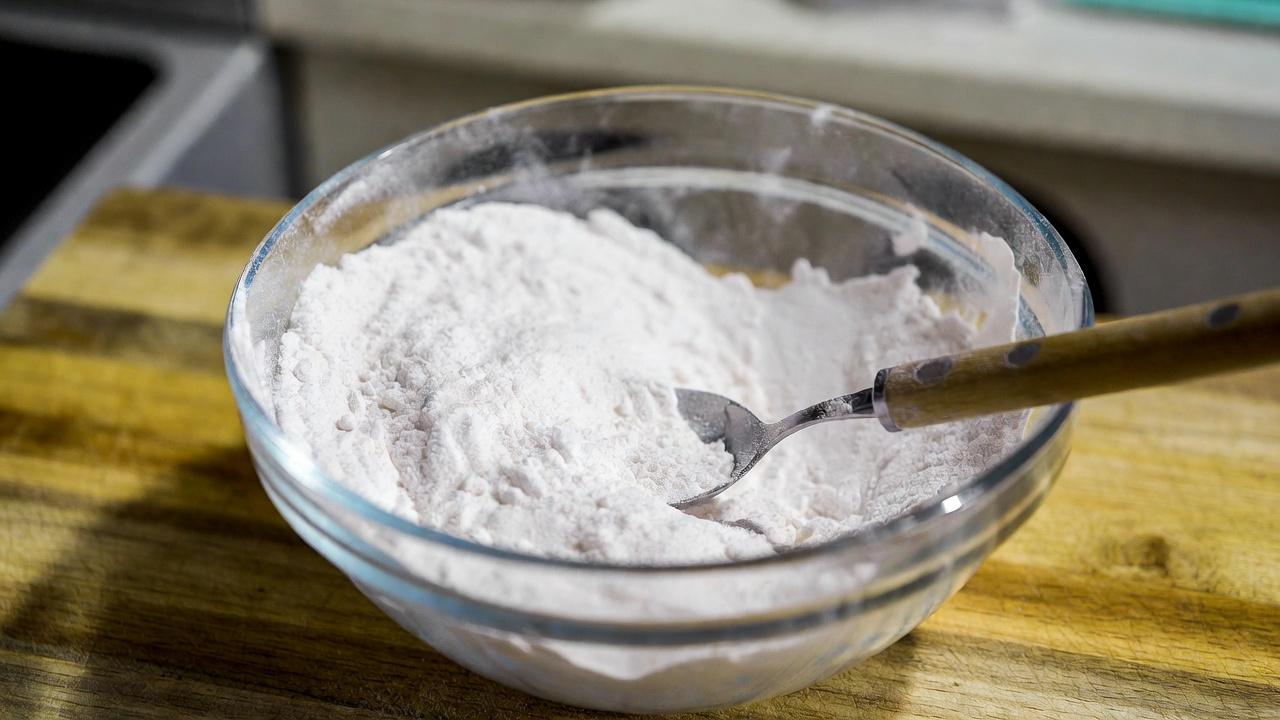
- 1 teaspoon baking soda
- 1–2 tablespoons plain, unscented moisturizer or aloe vera gel (for added soothing)
- A few drops of water if needed for consistency
Step-by-Step Guide:
- Start with clean hands and a small bowl.
- Mix the baking soda into the moisturizer until it forms a creamy paste.
- If too thick, add a tiny bit of water.
- Apply a thin layer to damp skin, avoiding the eye area.
- Gently massage in circular motions for 30–60 seconds.
- Rinse thoroughly with lukewarm water.
- Pat dry and follow with your regular moisturizer.
This creates a mild, creamy texture rather than a harsh scrub. Use it as an occasional treatment, perhaps once a week before bed, and monitor how your skin responds.
But that’s not the full picture—pairing it wisely makes all the difference.
Tips for Getting the Most from Your Skincare Habits
To support overall skin appearance, combine any occasional exfoliation with these evidence-based practices:
- Daily Hydration — Use a gentle, fragrance-free moisturizer morning and night.
- Sun Protection — Apply broad-spectrum SPF 30+ every day to help prevent further changes.
- Gentle Cleansing — Opt for pH-balanced cleansers that respect your skin’s barrier.
- Lifestyle Support — Prioritize sleep, a nutrient-rich diet, and staying hydrated.
Studies show consistent sun protection and moisturizing contribute more significantly to maintaining smooth-looking skin than any single ingredient.
Common Questions About Baking Soda in Skincare
Can baking soda be used every day? No, most experts suggest limiting it to occasional use (1–2 times weekly) to avoid disrupting your skin’s balance.
Is it better for certain skin types? It may suit oilier skin for short-term oil control, but dry or sensitive types often fare better with gentler alternatives.
What should I do if my skin feels irritated after using it? Stop immediately, rinse with cool water, and apply a soothing moisturizer. Consult a dermatologist if redness persists.
Final Thoughts
Exploring natural options like baking soda can be a fun way to refresh your routine, as long as it’s done thoughtfully and sparingly. While it may offer a gentle exfoliating boost for some, true skin smoothness comes from daily care, patience, and listening to your skin’s needs.
Always prioritize safety—your skin is unique, and what works for one person may not suit another.
Disclaimer: This article is for informational purposes only and not intended as medical advice. Consult a qualified healthcare professional or dermatologist before trying any new skincare practice, especially if you have skin concerns or conditions. Individual results may vary, and no ingredient can guarantee specific changes in appearance.


