
Many people go about their daily lives unaware that their body might be sending quiet signals about potential heart concerns. These subtle changes can appear gradually, blending into everyday discomforts and making them easy to dismiss. Yet, overlooking them might mean missing an opportunity to pay closer attention to your well-being. By becoming familiar with these common indicators, you can stay more attuned to what your body is trying to communicate—but hold on, because at the end of this article, I’ll share an unexpected habit that could help you track these signals more effectively.
Understanding Heart Health and Early Signals
Heart health is something we all think about from time to time, especially as we age or deal with stress. Research from organizations like the American Heart Association highlights how the body can provide clues when the heart is under strain. These aren’t always dramatic; often, they’re mild and build up over weeks.
But that’s not all—understanding these signals involves knowing they’re not one-size-fits-all. Factors like age, gender, and lifestyle play a role. For instance, studies show women may experience different patterns compared to men.
To make this clearer, let’s look at a quick comparison:
| Aspect | Common in Men | Common in Women |
|---|---|---|
| Chest Discomfort | More intense pressure | Milder, with fatigue |
| Other Pain | Arms and jaw | Back or stomach |
| Additional Symptoms | Sweating, shortness of breath | Nausea, dizziness |
This table draws from general observations in medical literature, emphasizing the need for personal awareness.
Sign 1: Frequent Chest Discomfort
One of the more noticeable signals can be a recurring sense of tightness or pressure in the chest area. This might feel like a mild ache that comes and goes, not always linked to physical effort.
According to sources like Ochsner Health, this occurs when blood flow to the heart is reduced, putting extra stress on the muscle. It’s important to note if it lasts more than a few minutes or happens repeatedly.
Here’s a simple step-by-step way to monitor this:
- Keep a journal of when it happens—what were you doing?
- Note any accompanying feelings, like breathlessness.
- Discuss patterns with a healthcare professional during your next check-up.
And speaking of patterns, let’s move to the next sign.

Sign 2: Unusual Fatigue
Feeling unusually tired, even after resting, is another subtle hint your body might be giving. This isn’t the normal end-of-day exhaustion; it’s a persistent drain that interferes with routine activities.
Research indicates this can stem from the heart working harder due to restricted blood flow, as noted in studies from the Cleveland Clinic. It affects daily life, making simple tasks feel overwhelming.
To address this proactively:
- Track your energy levels over a week.
- Incorporate short walks or light activities to gauge changes.
- Consider lifestyle adjustments, like better sleep hygiene.
But wait, there’s more to consider when fatigue pairs with other sensations.
Sign 3: Dizziness or Lightheadedness
Sudden spells of dizziness can catch you off guard, making the room feel like it’s spinning. This might happen when standing up or during quiet moments.
Experts from Geisinger explain this as potentially related to reduced blood supply to the brain or irregular rhythms. It’s often overlooked as dehydration or stress.
Try these actionable steps:
- Sit or lie down immediately to avoid falls.
- Hydrate and eat balanced meals to rule out simple causes.
- Log occurrences to share with a doctor.
The truth is, this sign can link to others, creating a bigger picture.
Sign 4: Indigestion or Nausea
Digestive upsets like nausea, bloating, or heartburn might seem unrelated to heart matters, but they can be connected. These feelings may persist even on an empty stomach.
Medical insights from the Texas Heart Institute suggest this happens due to oxygen shortages affecting the digestive system. It’s more common in certain groups.
For practical management:
- Avoid heavy meals if symptoms arise.
- Opt for smaller, frequent eats with fiber-rich foods.
- Consult if it disrupts your routine.
Here’s the interesting part: this sign often mimics everyday issues.

Sign 5: Excessive Sweating
Breaking into a cold sweat without exercise or heat can be puzzling. It might feel clammy and unrelated to your environment.
As per health articles from Norton Healthcare, this is the body’s response to stress on the cardiovascular system. It’s a fight-or-flight reaction gone awry.
Steps to take:
- Dress in layers to manage comfort.
- Practice relaxation techniques like deep breathing.
- Monitor for patterns with other signals.
But don’t stop here—another physical change might appear lower in the body.
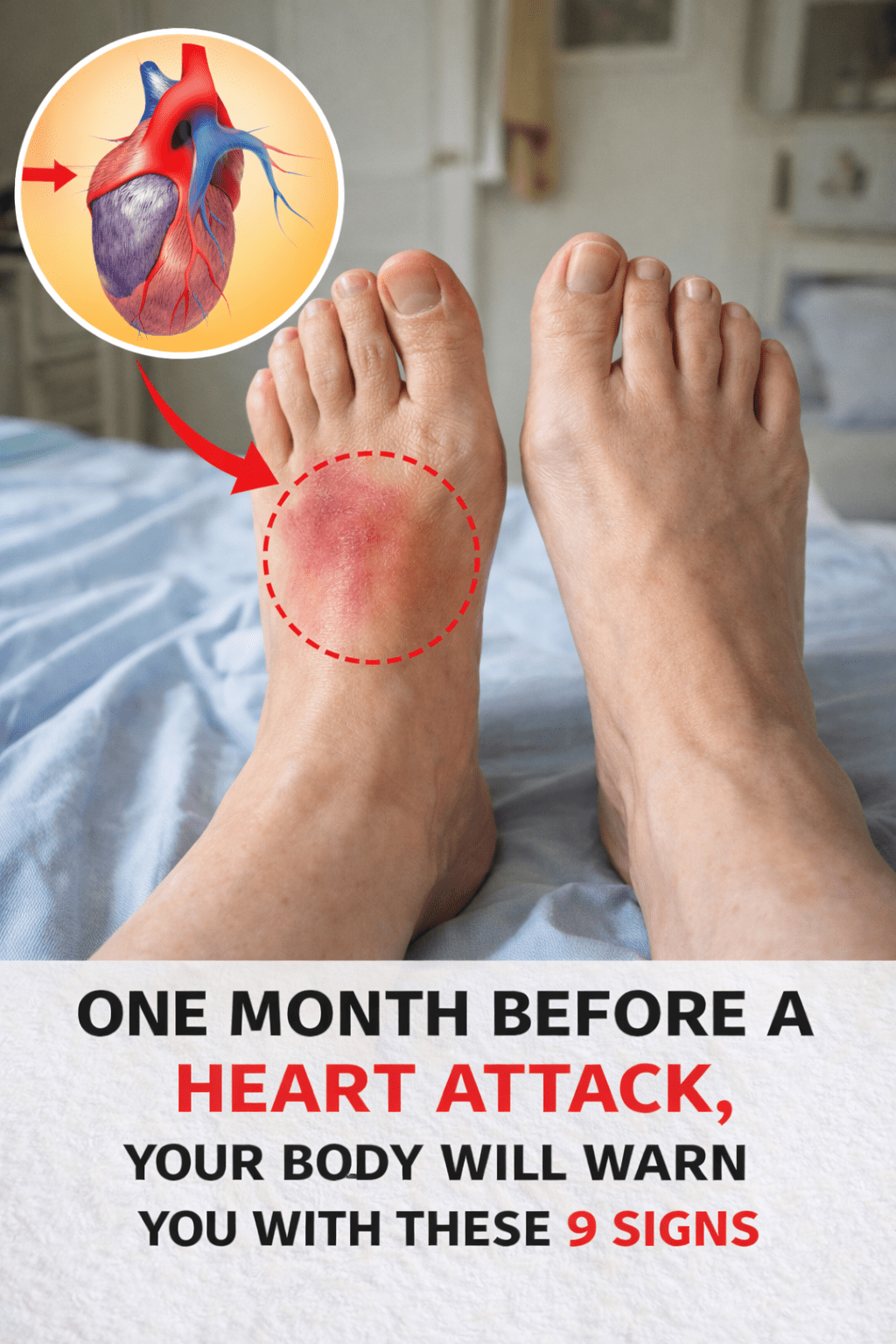
Sign 6: Swelling in Legs, Ankles, or Feet
Noticeable puffiness in your lower extremities could indicate fluid buildup. This swelling might make shoes feel tight or leave marks from socks.
Ochsner Health reports this as a sign of the heart not pumping efficiently, leading to backup in veins. It’s subtle but progressive.
Actionable advice includes:
- Elevate your legs when resting.
- Reduce salt intake to help with fluid balance.
- Wear comfortable footwear and move regularly.
And now, let’s talk about rhythm disruptions.
Sign 7: Irregular Heartbeat
A fluttering or racing sensation in your chest might feel like skipped beats. This irregularity can come and go.
Studies show this as a potential indicator of strain, per the American Heart Association. It’s worth noting if it’s new or worsening.
To handle it:
- Avoid caffeine or stimulants temporarily.
- Practice mindfulness to reduce stress.
- Seek evaluation if persistent.
Surprisingly, pain isn’t always centralized.
Sign 8: Pain in Other Body Parts
Discomfort spreading to arms, back, neck, jaw, or stomach can mimic other aches. It might feel like pressure rather than sharp pain.
Geisinger wellness articles describe this as referred pain from heart issues. It’s often intermittent.
Tips for awareness:
- Stretch gently to differentiate from muscle strain.
- Rest and observe triggers.
- Don’t ignore if it recurs.
Finally, breathing changes round out the list.
Sign 9: Shortness of Breath
Struggling to catch your breath during light tasks or at rest is a key signal. It might include wheezing or a tight feeling.
This stems from the heart’s reduced capacity to circulate oxygen, as explained in medical resources. It’s commonly paired with fatigue.
Practical steps:
- Use pursed-lip breathing techniques.
- Avoid smoky or polluted areas.
- Build gradual activity levels.
Lifestyle Habits to Support Heart Awareness
Beyond recognizing signs, incorporating healthy routines can help. Research supports regular exercise, a balanced diet, and stress management.
For example, aim for 150 minutes of moderate activity weekly, as recommended by health guidelines. Include heart-friendly foods like fruits, veggies, and whole grains.
Here’s a list of daily habits:
- Start with a morning walk.
- Monitor blood pressure at home.
- Stay connected with loved ones for emotional support.
- Get annual check-ups.
These can enhance overall vigilance.
Wrapping Up: Stay Informed and Proactive
In summary, being aware of these 9 subtle signals—from chest discomfort to shortness of breath—can encourage timely attention to your health. Remember, everyone’s experience varies, so listening to your body is key. And as promised, that unexpected habit? Try daily journaling of how you feel physically; it creates a personal record that might reveal patterns you otherwise miss.
FAQ
What should I do if I notice one of these signs?
If a sign persists or worsens, contact a healthcare provider promptly to discuss your observations and get appropriate guidance.
Are these signs different for men and women?
Yes, women might experience more fatigue, nausea, or back pain, while men often report chest pressure, based on general studies.
How can I reduce my risk of heart issues?
Focus on a healthy lifestyle, including balanced eating, regular movement, avoiding smoking, and managing stress through proven methods.
Please note: This article is for informational purposes only and not a substitute for professional medical advice. Always consult with a qualified healthcare provider for any health concerns.


