
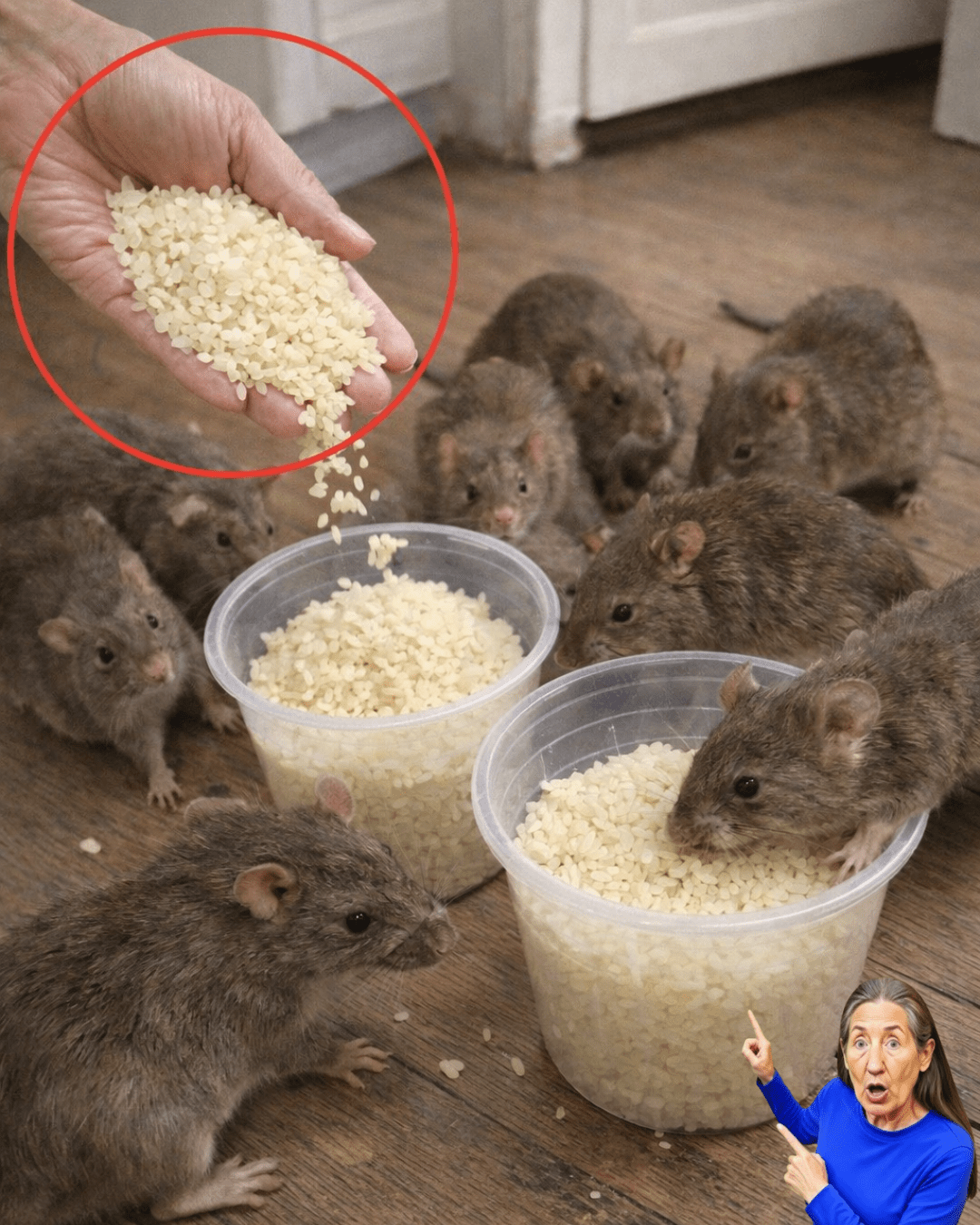
Imagine waking up to the unsettling sight of tiny droppings in your kitchen cabinets or hearing scurrying sounds at night while your family sleeps. These unwanted visitors — rats and cockroaches — not only create mess but also carry potential health concerns and trigger constant worry about contamination in your living space. Many homeowners feel frustrated searching for simple, non-toxic ways to keep their homes protected without harsh chemicals. But here’s something interesting: a common kitchen staple might offer a gentle helping hand in discouraging these pests — and the best part is, you probably already have it in your spice rack.
Why Bay Leaves Might Make a Difference
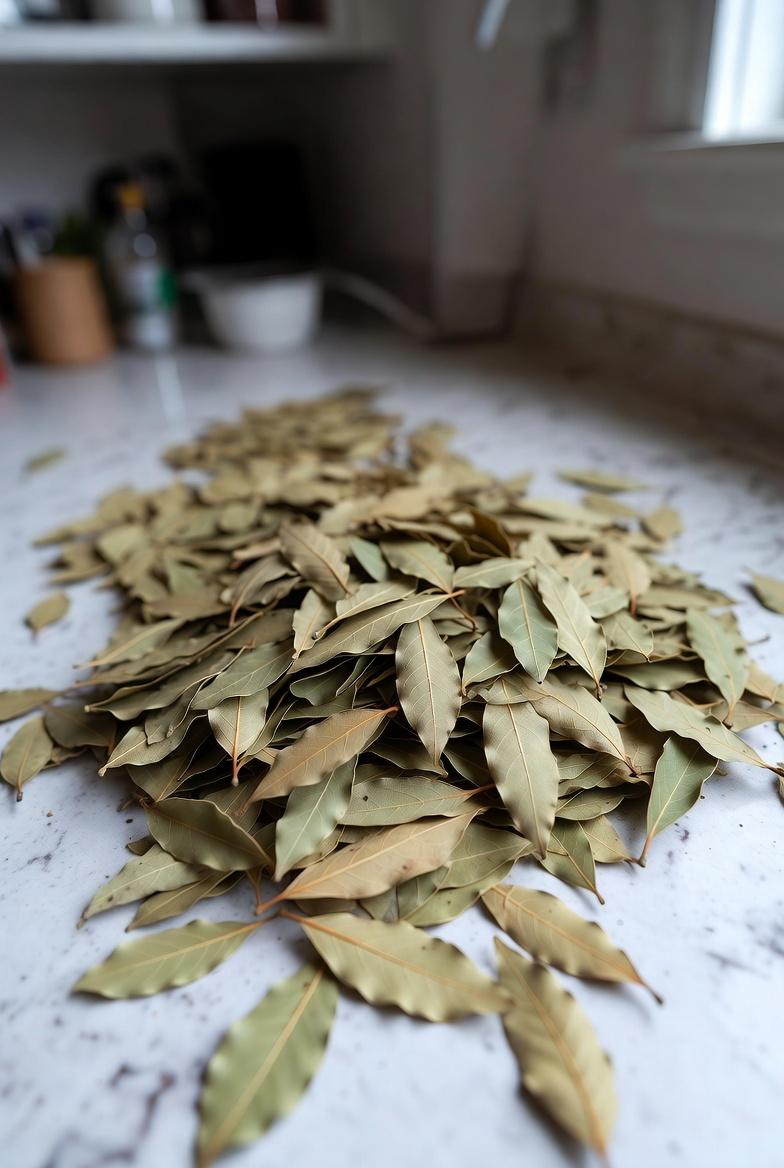
Bay leaves, especially from the Laurus nobilis plant (commonly known as bay laurel), release a strong, aromatic scent thanks to natural essential oils like 1,8-cineole and linalool. These compounds give the leaves their distinctive fragrance that some pests appear to find unappealing.
Research on related compounds has shown potential repellent effects against certain insects. For instance, studies on stored-product pests like flour beetles suggest that elements found in bay leaves can influence insect behavior. While direct evidence for common household cockroaches and rats is mostly anecdotal and based on traditional use, many people report positive experiences when using bay leaves as part of a broader pest-management approach.
But that’s not the full story — bay leaves work best as a supportive measure rather than a standalone fix.
How the Scent May Influence Pests
Cockroaches rely heavily on their sense of smell to navigate and locate food sources. The pungent aroma from crushed or whole bay leaves can create an environment that feels less inviting to them. Similarly, some rodents may avoid areas with strong herbal scents.
This traditional method has been passed down for generations, particularly for protecting pantry items like rice, flour, and grains from weevils and other insects. Generations of home cooks have placed bay leaves in storage containers — and many continue to do so today.
Here’s why this simple herb keeps coming up in natural pest discussions:
- It’s non-toxic and safe around food when used properly
- The leaves are inexpensive and easy to find
- No special equipment is needed
- It adds a pleasant aroma to your home
Step-by-Step Guide: Using Bay Leaves Effectively
Ready to give this a try? Here’s a straightforward way to incorporate bay leaves into your routine.
- Gather your materials — Use dried bay leaves (fresh ones work too, but dried are more common and longer-lasting).
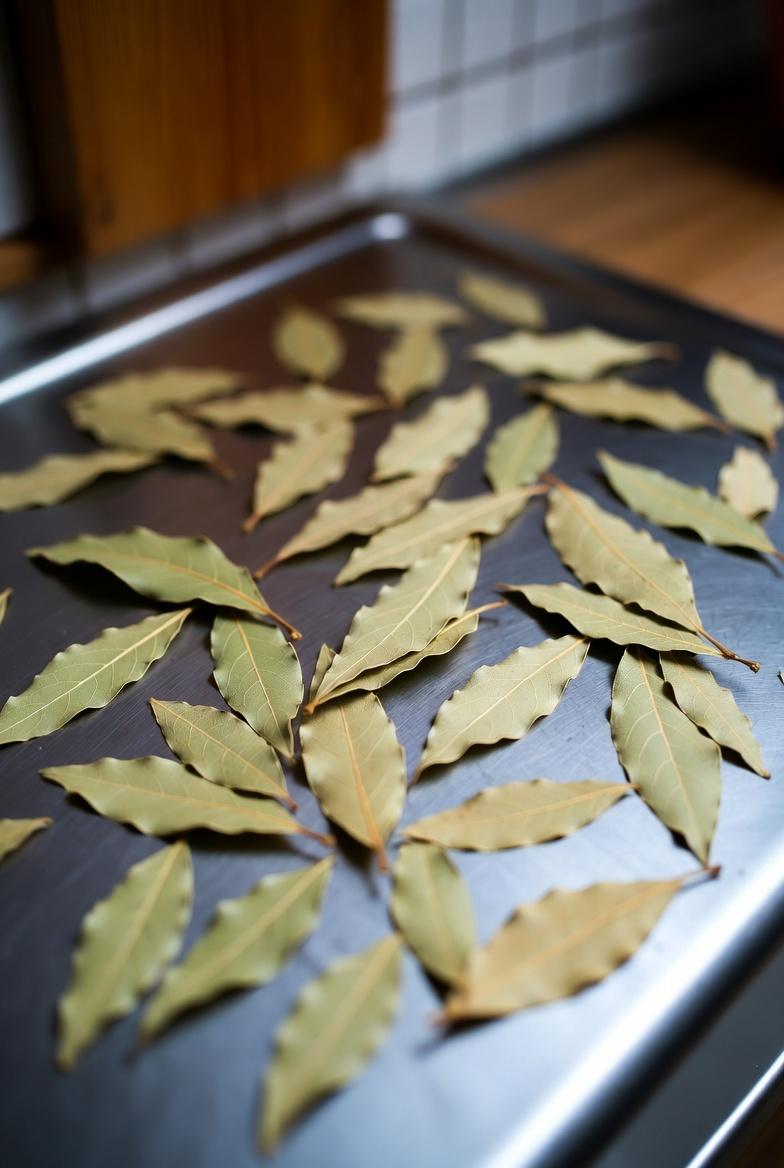
- Crush for stronger effect — Gently crush a few leaves to release more of the essential oils. This often makes the scent more noticeable.
- Place strategically — Put whole or crushed leaves in key areas:
- Kitchen cabinets and drawers
- Pantry shelves, especially near rice, flour, or grains
- Corners near entry points like doors or windows
- Under sinks, behind appliances, or in trash can areas
- Refresh regularly — Replace the leaves every 1–2 weeks or when the scent fades.
- Combine with good habits — Keep surfaces clean, seal food in airtight containers, and fix any moisture issues — these steps amplify any deterrent effect.
For pantry protection specifically, try this:
- Drop 1–2 whole bay leaves into containers of rice or flour
- Place a few crushed leaves on shelves between jars
- Use small mesh bags to hold crushed leaves for easy cleanup
Many find this method particularly helpful for preventing issues in stored dry goods.
Here are additional tips for better results:
- Use more leaves in high-activity zones
- Combine with other natural scents like cloves or peppermint (if you like experimenting)
- Monitor and adjust placement based on where you notice activity
- Maintain consistency — results often build over time
What the Evidence Really Says
While bay leaves have a long history as a natural deterrent, scientific studies focus more on their compounds’ effects on specific stored-product insects rather than broad household pests like rats or common cockroaches. Some research highlights repellent properties in essential oils, but real-world outcomes vary by situation, pest type, and home conditions.
This approach shines most as a preventive tool alongside proper sanitation. For serious infestations, consulting a professional remains the most reliable option.
Benefits Beyond Pest Deterrence
Using bay leaves this way offers extra perks:
- Eco-friendly and chemical-free
- Doubles as a cooking ingredient
- Creates a fresh, herbal home atmosphere
- Affordable way to experiment with natural methods
It’s a small change that fits easily into everyday life.
Common Questions About Bay Leaves and Pests
Do bay leaves actually get rid of existing rats or cockroaches?
Bay leaves are primarily considered a deterrent to discourage pests from settling in or returning, rather than eliminating an established presence. They work best for prevention.
How long do bay leaves stay effective?
The scent typically lasts 1–2 weeks. Refresh them sooner if the aroma weakens for continued impact.
Are bay leaves safe around pets and children?
Whole dried bay leaves are generally recognized as safe in cooking, but keep them out of reach of curious pets or young kids who might chew on them. Always use common sense.
In summary, bay leaves offer an accessible, natural option worth trying if you’re looking for gentle ways to make your home less appealing to unwanted pests. Pair this simple habit with consistent cleanliness, and you may notice a welcome difference in your space.
Disclaimer: This article is for informational purposes only and does not constitute medical, veterinary, or professional pest control advice. Results can vary, and severe pest issues should be addressed by qualified professionals. Always prioritize safety in your home.


